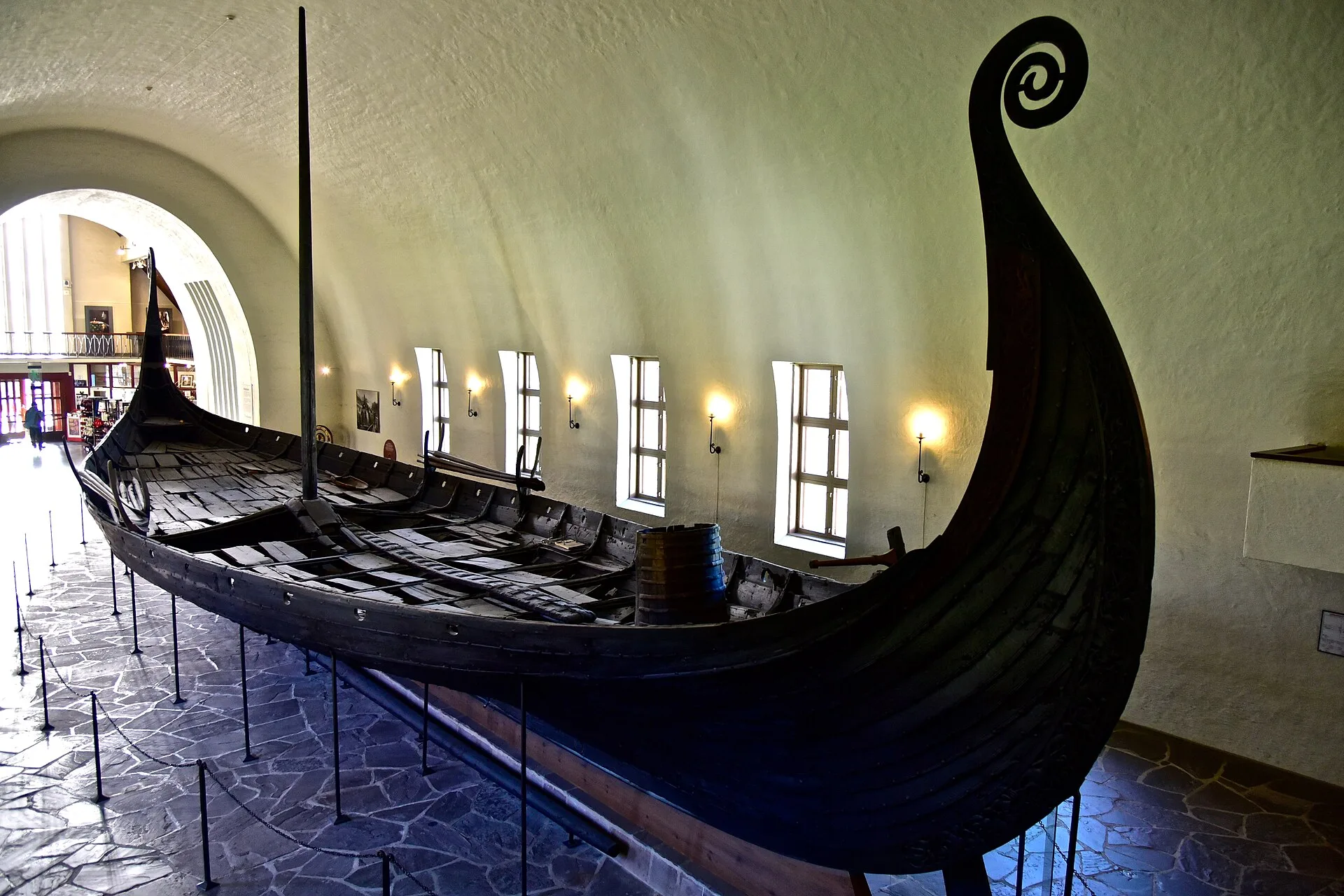
The Viking Age
For almost three centuries, people from Scandinavia raided, traded and settled from Newfoundland to the Volga. They founded Dublin, Normandy and Iceland, served the emperor in Constantinople and twice conquered England. This is their story, year by year.
Seven parts of the Viking Age
The parts overlap in time: while armies fought in England, others sailed west to Iceland and east to Constantinople. Pick a part to see its chapters.
Part I: The first raids
c. 789–864Small fleets strike monasteries and trading towns on the coasts of Britain, Ireland and the Frankish Empire. Raiders begin to stay over winter, found Dublin, and sail as far as Seville and the Mediterranean.
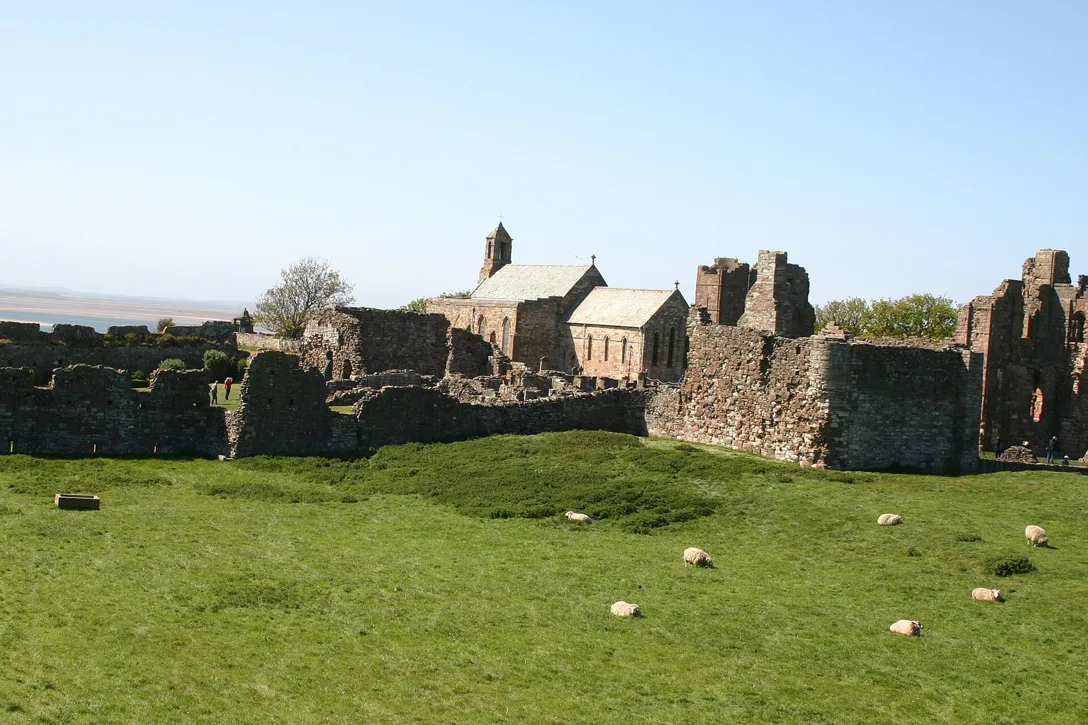
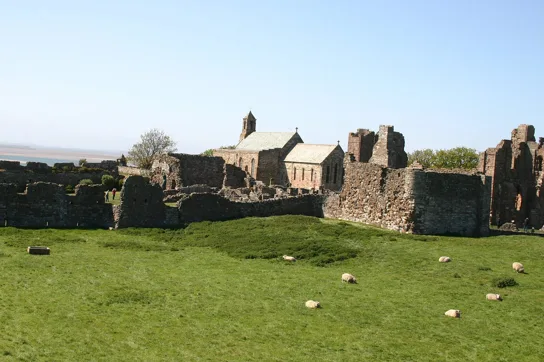 LindisfarneThe raid that shocked Christian Europe, and the ones before it.
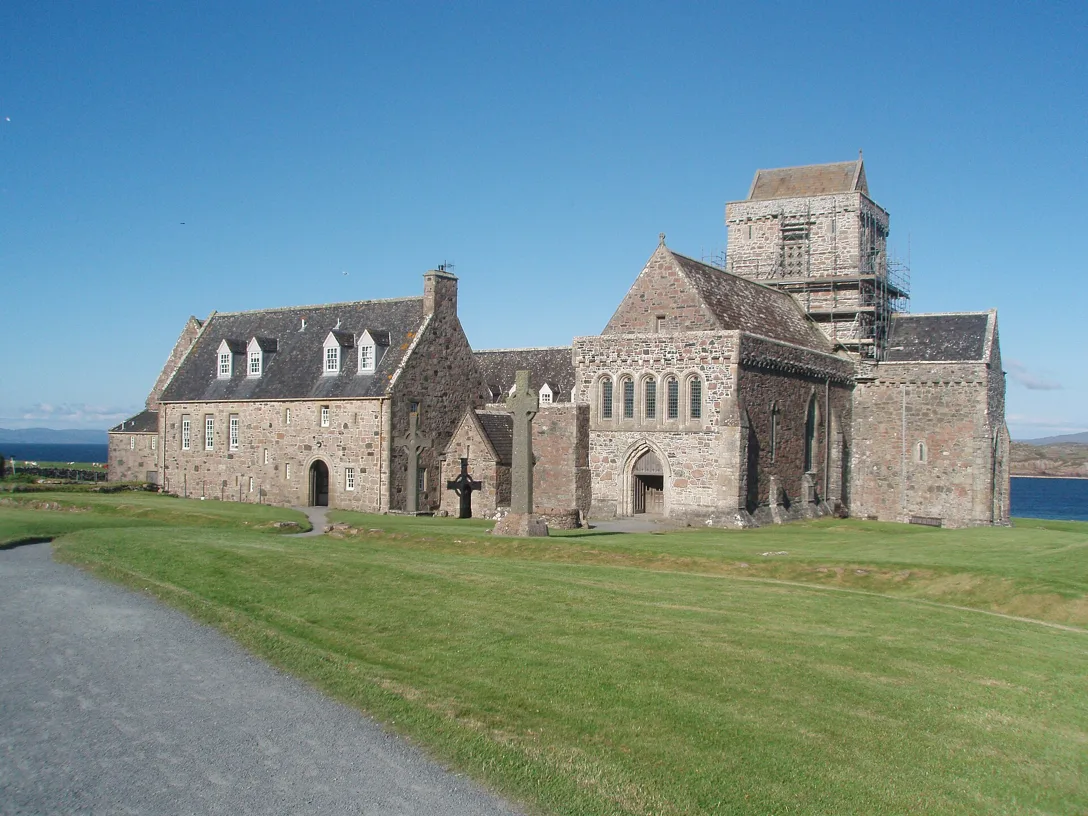
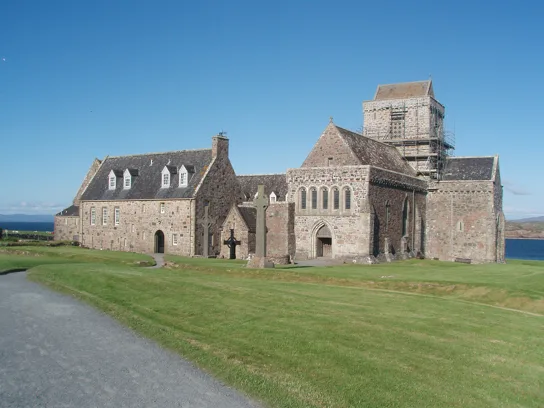 Iona, Ireland and DublinFrom raids on island monasteries to a winter camp that became a city.
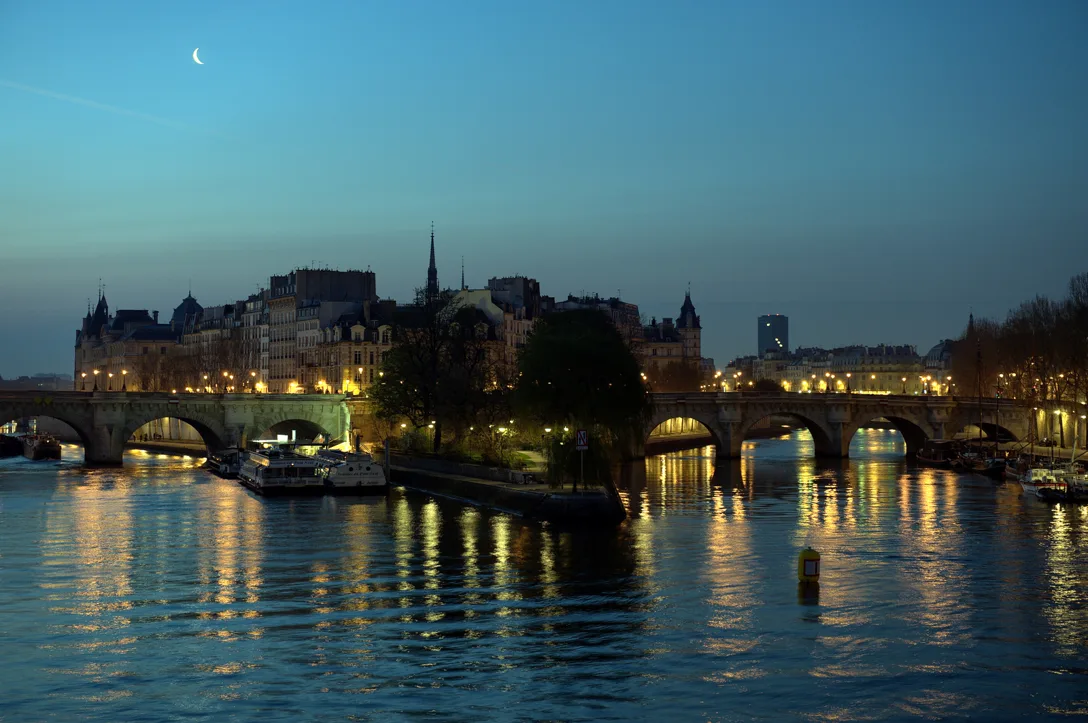
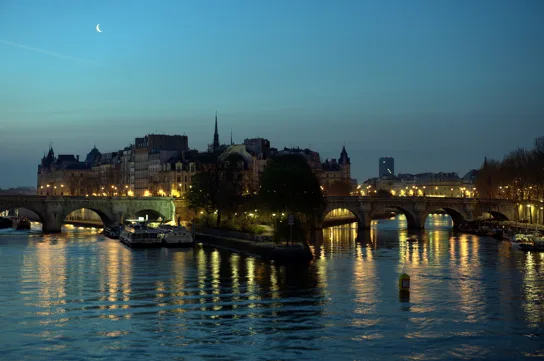 Ragnar at Paris7,000 pounds of silver to leave: the first great Seine raid.
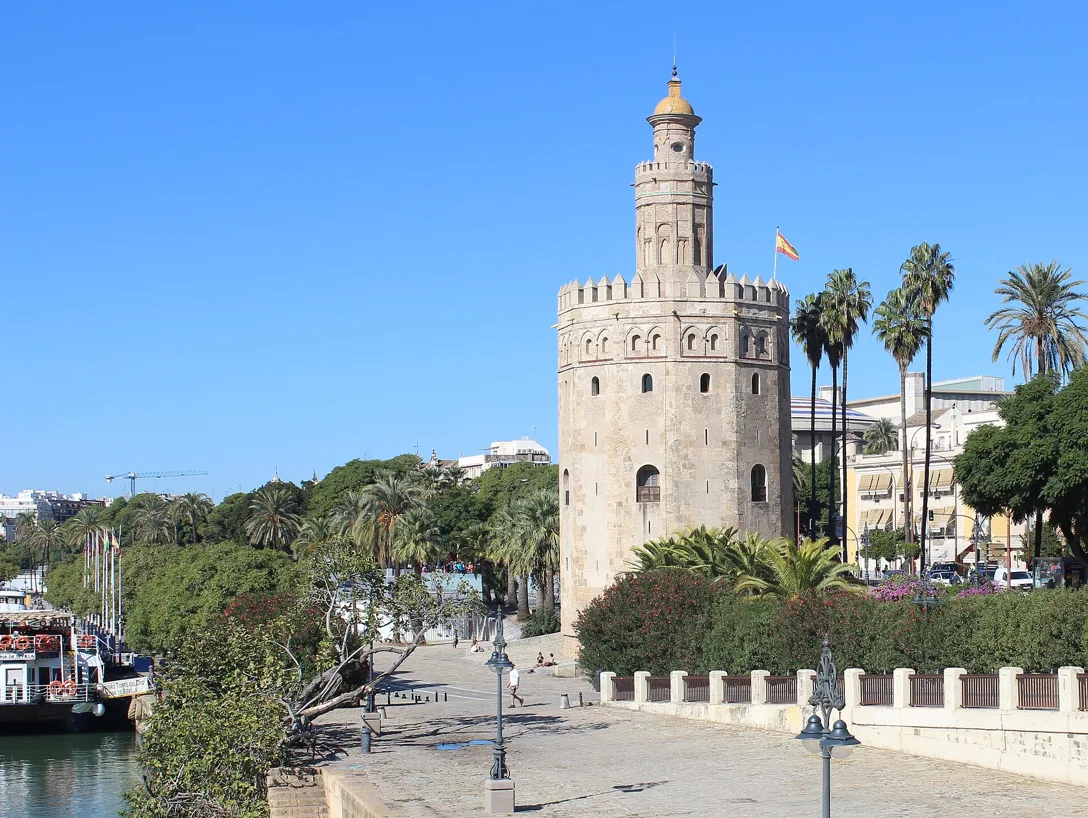
 Seville and the MediterraneanViking fleets in Muslim Spain, North Africa and Italy.
Part II: The Great Heathen Army
865–878A great army lands in England and takes York, East Anglia and Mercia one after the other. Only Wessex is left, and in 878 even its king, Alfred, is hiding in the marshes, until the battle of Edington.
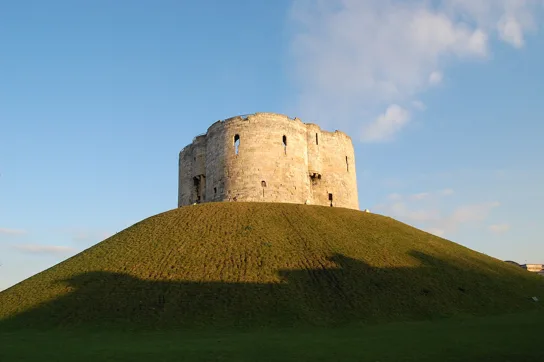 The army lands, York fallsWhy the sons of Ragnar came, and how Northumbria fell.
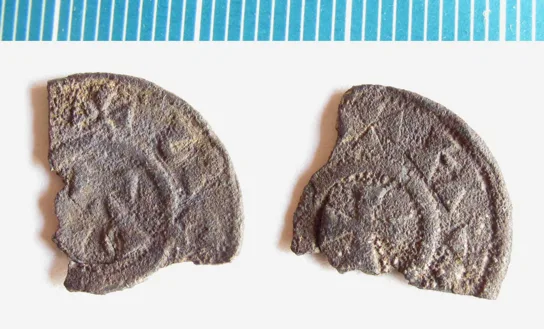 The death of King EdmundA king killed, and a saint made, in East Anglia.
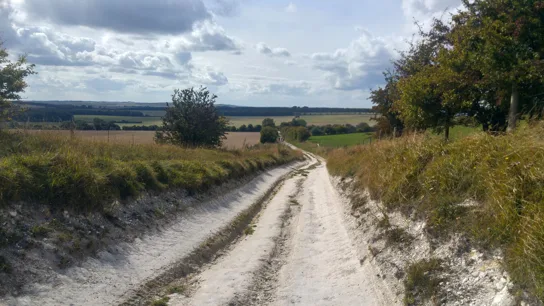 The year of battlesNine battles in a year, Ashdown, and a new king called Alfred.
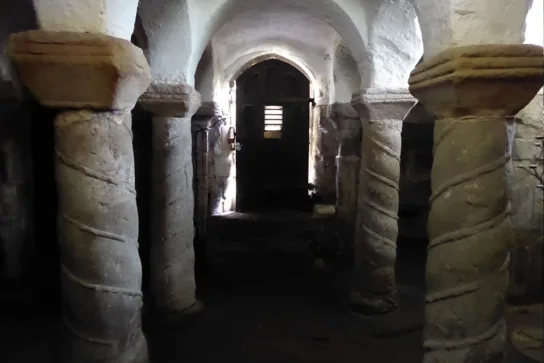 ReptonThe winter camp and the mass grave archaeologists found.
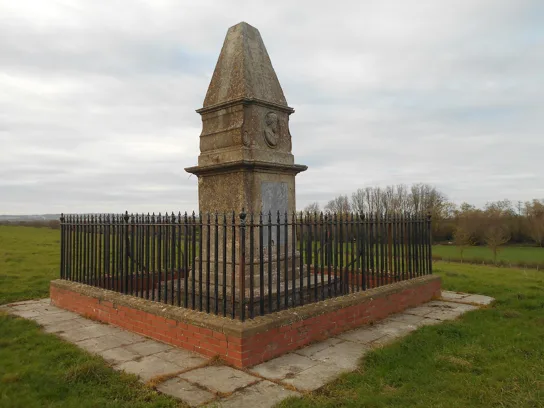 From Chippenham to EdingtonAlfred in the marshes, the cakes legend, and the victory that saved Wessex.
Part III: Settlers and kingdoms
879–954Armies become settlers in the Danelaw and Normandy. Paris holds out against a long siege. Wessex fights back town by town, and the last Viking king of York falls in 954.
 The siege of ParisA year-long siege, and an emperor who paid them to leave.
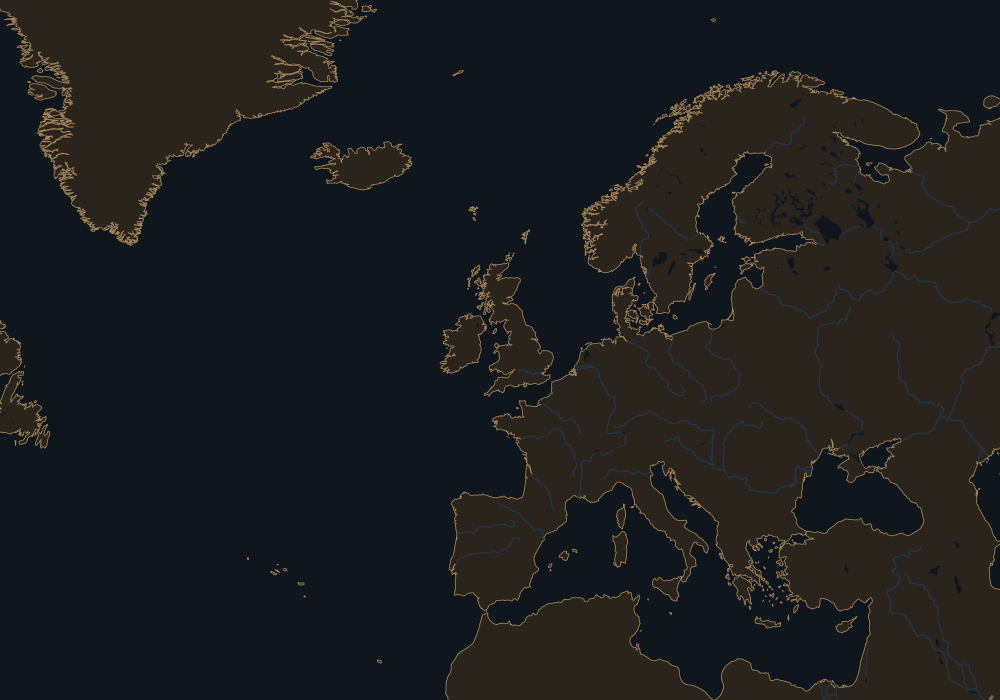 Rollo and NormandyHow a Viking leader became a Frankish count, and his land Normandy.BrunanburhÆthelstan against Dublin, Scotland and Strathclyde.
 The last king of YorkEric, Stainmore and the end of Viking Northumbria.
Part IV: West over sea
c. 870–1021Settlers cross the North Atlantic: Iceland in the 870s, Greenland in the 980s, and around 1000 the coast of North America, nearly 500 years before Columbus.
 Iceland and the AlthingA new land, settled in 60 years and ruled by an assembly, not a king.Erik the Red and GreenlandAn outlaw, an attractive name and 25 ships.
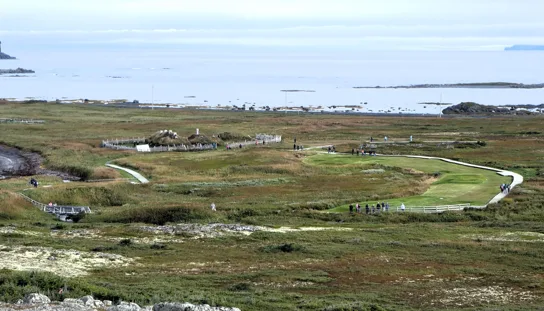 VinlandLeif Erikson, the sagas, and the site at L’Anse aux Meadows.
Part V: The road east
839–1043Swedes and other Scandinavians, called Rus and Varangians, travel the rivers of Eastern Europe to Constantinople and the Caliphate. They found Novgorod and Kiev and guard the Byzantine emperor.
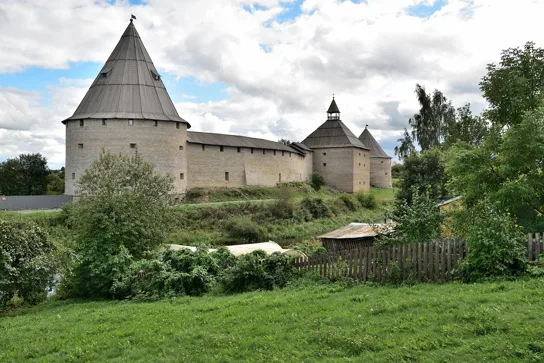 The RusWho the Rus were, Rurik, and the first attack on Constantinople.Ibn Fadlan on the VolgaAn Arab envoy describes the Rus and a ship funeral.
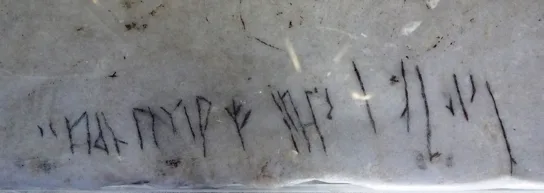 The Varangian GuardNorsemen as the emperor’s bodyguard, and Harald Hardrada.
Part VI: Kings, crosses and conquest
c. 954–1042Kings now lead the Viking world. Denmark and Norway become Christian kingdoms, Danish kings take England, and Cnut rules an empire around the North Sea.
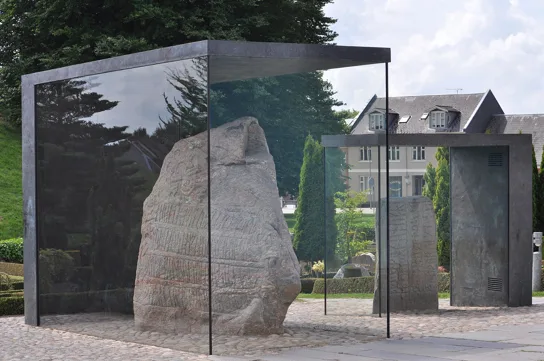 Harald BluetoothThe Jelling stone, the ring fortresses and a Christian Denmark.
 Maldon and the DanegeldA lost battle and 10,000 pounds of silver.Sweyn and CnutHow a Danish king and his son took England.ClontarfBrian Boru, Dublin and a battle remembered as a war of liberation.
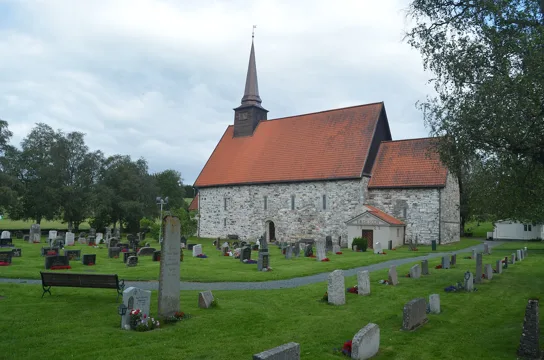 StiklestadA king killed by his own farmers becomes Norway’s saint.
Part VII: 1066
1066Three men claim the English crown. Harald Hardrada, the last great Viking king, falls at Stamford Bridge; three weeks later Rollo’s descendant William wins at Hastings.
 Fulford and Stamford BridgeHarald Hardrada’s invasion and Harold’s march north.
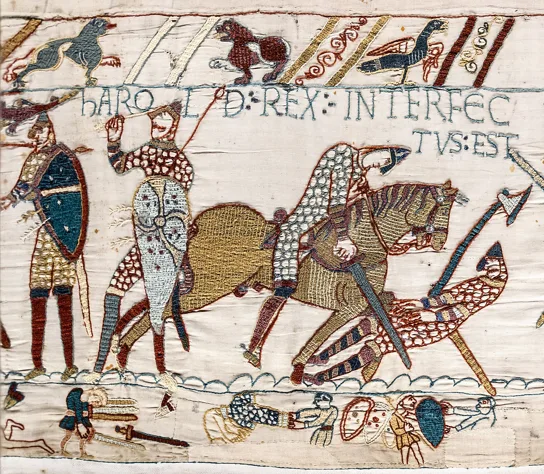 HastingsWhy the Viking Age is said to end with a Norman victory.
The Viking Age year by year
50 moments from the first raid to 1066. Every entry says where the story comes from and how close to the events that source was written.
- Late 8th century
-
786–802
The first killing at Portland
Three ships of Northmen land on the coast of Wessex, traditionally at Portland in Dorset. The king’s reeve rides out from Dorchester, takes them for traders and is killed. The Anglo-Saxon Chronicle calls them the first ships of Danish men to come to England.
Source Anglo-Saxon Chronicle, entry for 787 (its dates here run two years early; written down about a century later), which names no place; it puts the raid in the reign of Beorhtric (786–802), usually dated c. 789. The reeve’s name (Beaduheard), Dorchester and the mistake about traders come from Æthelweard’s Latin chronicle (c. 980).
-
8 June 793
Lindisfarne is raided
Raiders sack the monastery of Saint Cuthbert on Lindisfarne, off the Northumbrian coast. The shock is felt across Christian Europe: the scholar Alcuin writes that such a voyage was thought impossible.
Source Alcuin’s letters (written the same year); Anglo-Saxon Chronicle (later). Manuscripts D and E of the Chronicle give 8 January; 8 June, from northern annals preserved by Symeon of Durham, is the usual reading.
-
795
Raids reach Iona and Ireland
Raiders strike the islands of the west: Iona, the monastery of Saint Columba, and Rechru off the Irish coast (Rathlin or Lambay). Iona is raided again in 802 and 806, when 68 of its community are killed.
Source Annals of Ulster and Annals of Inisfallen (contemporary Irish annals). Whether Rechru is Rathlin or Lambay is disputed.
- 9th century
-
808–810
King Godfred challenges Charlemagne
Godfred, king of the Danes, strengthens the Danevirke wall across southern Jutland and moves merchants to Hedeby. In 810 his fleet of some 200 ships raids Frisia, part of Charlemagne’s empire.
Source Royal Frankish Annals (written at the time at Charlemagne’s court). The Danevirke itself is older: tree-ring dates show a big building phase in 737, and radiocarbon dates suggest the first works go back to about 500.
-
834–837
Dorestad raided year after year
Dorestad, the great trading town on the Rhine, is plundered in 834 and again in the following years, while the Frankish Empire is weakened by civil war between Louis the Pious and his sons.
Source Annals of Saint-Bertin (written at the time).
-
839
The Rus at the Frankish court
Envoys of a people called the Rhos arrive at the court of Louis the Pious with a Byzantine embassy. Asked who they are, they turn out to be Swedes: the earliest written trace of the Scandinavians in the East.
Source Annals of Saint-Bertin (written at the time).
-
841
A longphort at Dublin
Norse raiders build a fortified ship base, a longphort, at Dubh Linn and stay over winter. It grows into Dublin, the most important Viking town in the west and a centre of the slave trade.
Source Annals of Ulster (contemporary).
-
844
Seville is sacked
A Viking fleet sails up the Guadalquivir and takes Seville in the Emirate of Córdoba. The emir’s army beats them, and Córdoba builds a fleet and an arsenal in Seville in response.
Source Andalusian historians such as Ibn al-Qutiyya (10th century) and later Arabic sources; numbers vary.
-
March 845
Ragnar’s fleet at Paris
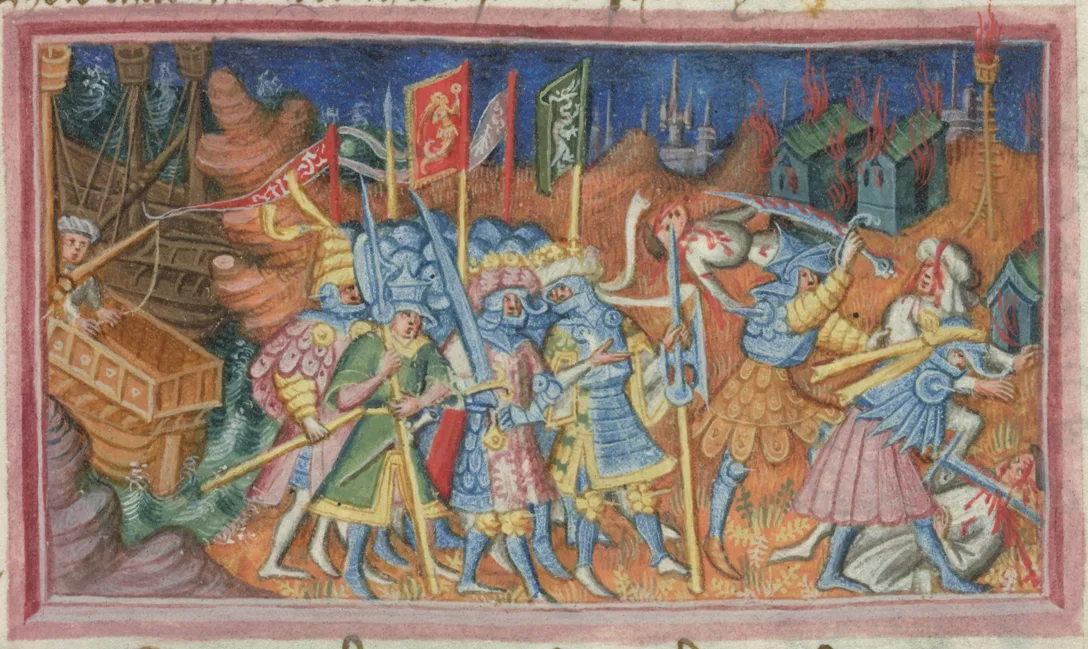
A fleet of about 120 ships led by a chieftain named Reginherus (Ragnar) sails up the Seine and reaches Paris on Easter Sunday. Charles the Bald pays 7,000 pounds of silver to make them leave.
Source Annals of Saint-Bertin and Annals of Xanten (written at the time). Whether this Ragnar is the legendary Ragnar Lothbrok is uncertain.
-
850–851
The first winter in England
For the first time a heathen army stays over winter in England, on the Isle of Thanet (or Sheppey) in Kent. Raiding is turning into campaigning.
Source Anglo-Saxon Chronicle, entry for 851 (some manuscripts 850); the manuscripts and Asser disagree on whether the island was Thanet or Sheppey, and the Chronicle mentions another “first” winter, on Sheppey, in 855.
-
859–861
The Mediterranean raid
A fleet of about 62 ships passes Gibraltar, raids the coasts of Spain, Morocco and southern France, and winters in the Camargue. Later sources name its leaders as Hastein and Björn Ironside.
Source Annals of Saint-Bertin and Arabic sources (the 62 ships); Hastein and the story of the attack on Luna (mistaken for Rome) come from Dudo of Saint-Quentin, about 150 years later; Björn is first named as leader by William of Jumièges (c. 1070).
-
18 June 860
The Rus attack Constantinople
About 200 Rus ships appear without warning before Constantinople while the emperor is away, and plunder the suburbs. Patriarch Photius preaches about the terror in two sermons.
Source Photius’ homilies (eyewitness); Byzantine chronicles give about 200 ships (a Venetian chronicle says 360); the date comes from a short Byzantine chronicle.
-
c. 862
Rurik in Novgorod
According to the Russian Primary Chronicle, the tribes of the north invite three Varangian brothers to rule them, and Rurik settles at Novgorod. His dynasty, the Rurikids, rules Russia until 1598.
Source Russian Primary Chronicle, compiled c. 1113, some 250 years later. The invitation story is legendary; historians accept the Scandinavian origin of the early Rus rulers, but not the details.
-
865
The Great Heathen Army lands
A large army, the micel here, lands in East Anglia. The East Angles make peace and give it horses. Unlike earlier raiders it has come to conquer, and stays in England for more than a decade.
Source Anglo-Saxon Chronicle (written in the 890s, within living memory). Later tradition names Ivar the Boneless, Halfdan and Ubba, sons of Ragnar, as its leaders.
-
866–867
York falls
The army takes York on 1 November 866. In March 867 the rival Northumbrian kings Osberht and Ælla join forces to win it back and are both killed. Northumbria’s independence is over.
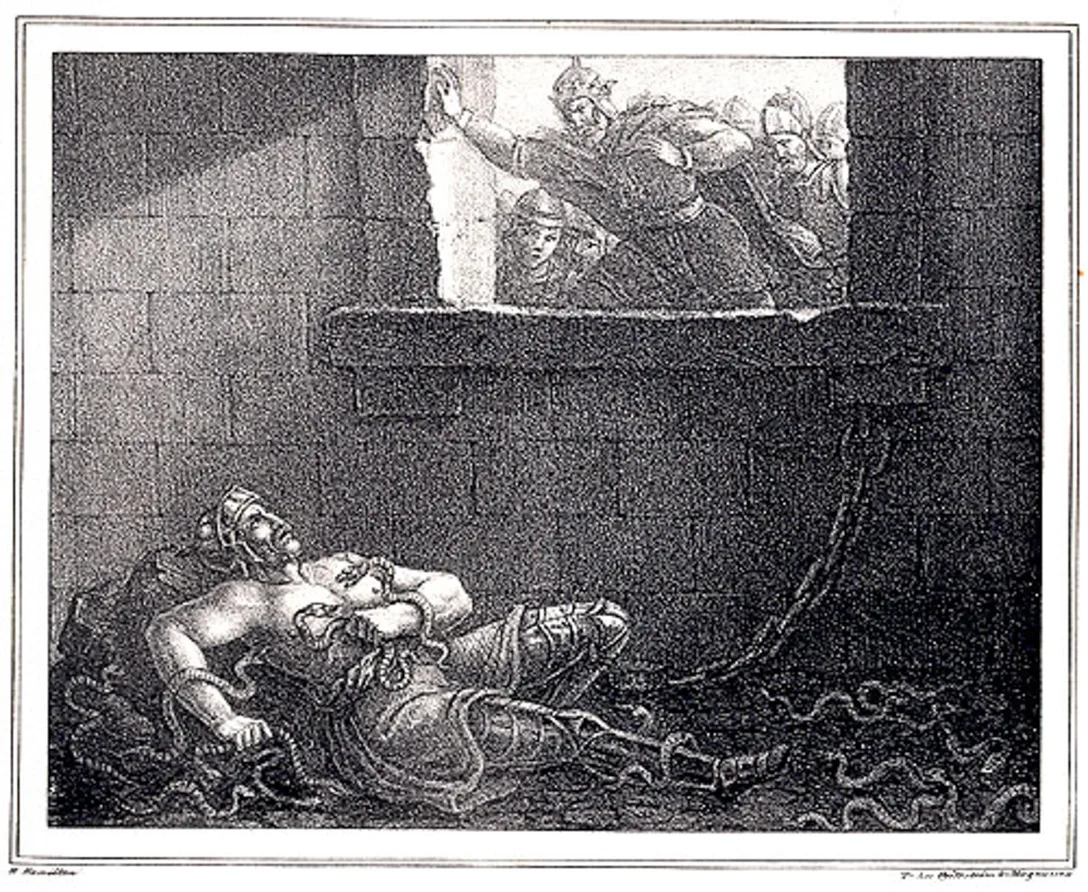
Source Anglo-Saxon Chronicle; Asser’s Life of King Alfred (893); the exact days from Northumbrian annals preserved by Symeon of Durham. The story that Ælla killed Ragnar in a snake pit is from the sagas, written centuries later.
-
20 November 869
King Edmund is killed
The army returns to East Anglia, wins a battle and kills King Edmund. He soon becomes Saint Edmund, and coins in his name are minted within a generation, even in the Danish-ruled lands.
Source Anglo-Saxon Chronicle (brief); 20 November is his feast day in later tradition. The famous martyrdom with arrows comes from Abbo of Fleury, about 115 years later.
-
871
The year of battles
Wessex fights nine battles against the army in one year, among them Ashdown, where the West Saxons win. King Æthelred dies in April and his brother Alfred becomes king. By the end of the year Alfred makes peace with the army (probably paid for).
Source Anglo-Saxon Chronicle; Asser (Alfred’s own biographer).
-
873–874
Winter at Repton
The army winters at Repton, the royal monastery of Mercia, and drives out King Burgred. Archaeologists found the army’s camp there, and a mass grave of at least 264 people.
Source Anglo-Saxon Chronicle; excavations by Martin Biddle and Birthe Kjølbye-Biddle (1974–1988), redated to the 870s by radiocarbon in 2018 (Jarman et al.).
-
c. 870s (traditionally 874)
Iceland is settled
Settlers from Norway and the Norse colonies in Britain and Ireland, with Irish and Scottish slaves, settle Iceland. Ingólfr Arnarson is remembered as the first, at Reykjavík. Within about 60 years the good land is taken.
Source Íslendingabók and Landnámabók (12th–13th century). Archaeology broadly agrees: the earliest settlement remains lie just above, and in a few places just below, a volcanic ash layer dated to about 871–877.
-
876
Settlers in Northumbria
Halfdan shares out the lands of the Northumbrians, and his men begin “to plough and to provide for themselves”. The army is turning into settlers: the start of the area later called the Danelaw.
Source Anglo-Saxon Chronicle, entry for 876. The word Danelaw first appears in the early 11th century.
-
January 878
Surprise at Chippenham
After Twelfth Night, Guthrum’s army suddenly takes the royal estate of Chippenham. Most of Wessex submits, and Alfred retreats with a small band into the marshes of Athelney in Somerset.
Source Anglo-Saxon Chronicle; Asser. The story of Alfred burning the cakes first appears in a Life of Saint Neot, about a century later.
-
May 878
Edington
Alfred gathers the men of Somerset, Wiltshire and Hampshire, defeats Guthrum at Edington and besieges his army. Guthrum agrees to leave Wessex and is baptised, with Alfred as his godfather.
Source Anglo-Saxon Chronicle; Asser. The later treaty between Alfred and Guthrum, which sets their border, survives as a text.
-
885–886
The siege of Paris
A huge Viking army besieges Paris for almost a year. Count Odo and Bishop Gozlin hold the fortified island. Emperor Charles the Fat finally pays them and lets them go on to plunder Burgundy, which helps cost him his throne.
Source Abbo of Saint-Germain’s poem on the siege (eyewitness); Annals of Saint-Vaast. Abbo’s figure of 40,000 men is not believed by historians.
- 10th century
-
902
The Norse driven out of Dublin
The Irish kings of Brega and Leinster expel the Norse from Dublin. Some settle in the Wirral and around Chester. In 917 they return and refound Dublin.
Source Annals of Ulster (contemporary); the Wirral settlement from the Irish Fragmentary Annals and place-names.
-
c. 911
Rollo and Normandy
After a defeat at Chartres, the Viking leader Rollo receives land around Rouen from King Charles the Simple, in return for defending the Seine. This is the beginning of Normandy, the land of the Northmen.
Source A royal charter of 918 confirms the grant (contemporary). The treaty of Saint-Clair-sur-Epte and its details come from Dudo of Saint-Quentin, about a century later; no treaty text survives.
-
917–918
The Danelaw falls to Wessex
Alfred’s son Edward the Elder and his sister Æthelflæd, Lady of the Mercians, take Derby, Leicester and the Danish-held towns of the Midlands and East Anglia, one fortress at a time.
Source Anglo-Saxon Chronicle, including the Mercian Register (written at the time).
-
921–922
Ibn Fadlan meets the Rus
An envoy of the caliph of Baghdad, Ahmad ibn Fadlan, meets Rus traders on the Volga and describes them: tall, tattooed, armed at all times. He watches a chieftain’s funeral in a burning ship, with a slave girl killed to go with him.
Source Ibn Fadlan’s own account (eyewitness). Which people he calls Rus, and how much he understood, is debated.
-
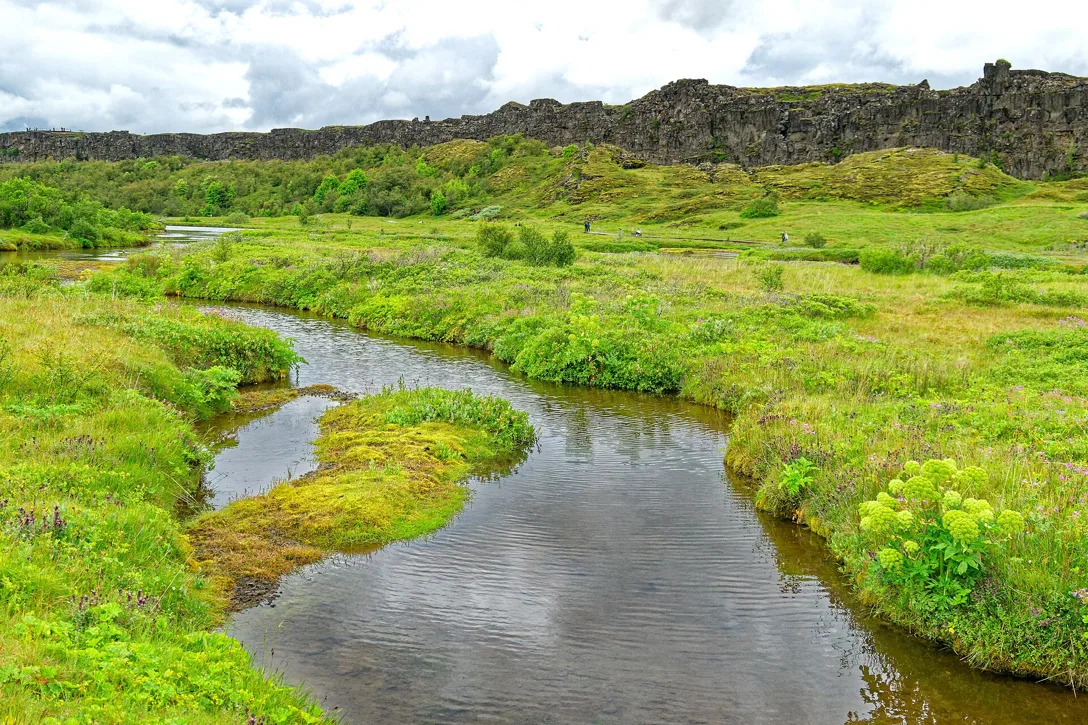
930
The Althing
The settlers of Iceland set up the Althing, a general assembly that meets each summer at Þingvellir to make laws and settle disputes, without a king.
Source Íslendingabók by Ari the Learned (written c. 1122–1133, about 200 years later).
-
937
Brunanburh
King Æthelstan of England defeats an alliance of Olaf Guthfrithson, king of Dublin, Constantine II of Scotland and the Britons of Strathclyde. The Chronicle celebrates it in a poem as the greatest slaughter since the English came.
Source Anglo-Saxon Chronicle poem (written soon after). Where the battle was is still debated; the Wirral is the leading candidate.
-
954
The last king of York
Eric, the last Scandinavian king of York, is driven out and killed at Stainmore. Northumbria becomes part of the English kingdom for good.
Source Anglo-Saxon Chronicle; Roger of Wendover (13th century) for Stainmore. Whether this Eric is the Norwegian Eric Bloodaxe of the sagas is debated.
-
c. 965
Harald Bluetooth makes the Danes Christian
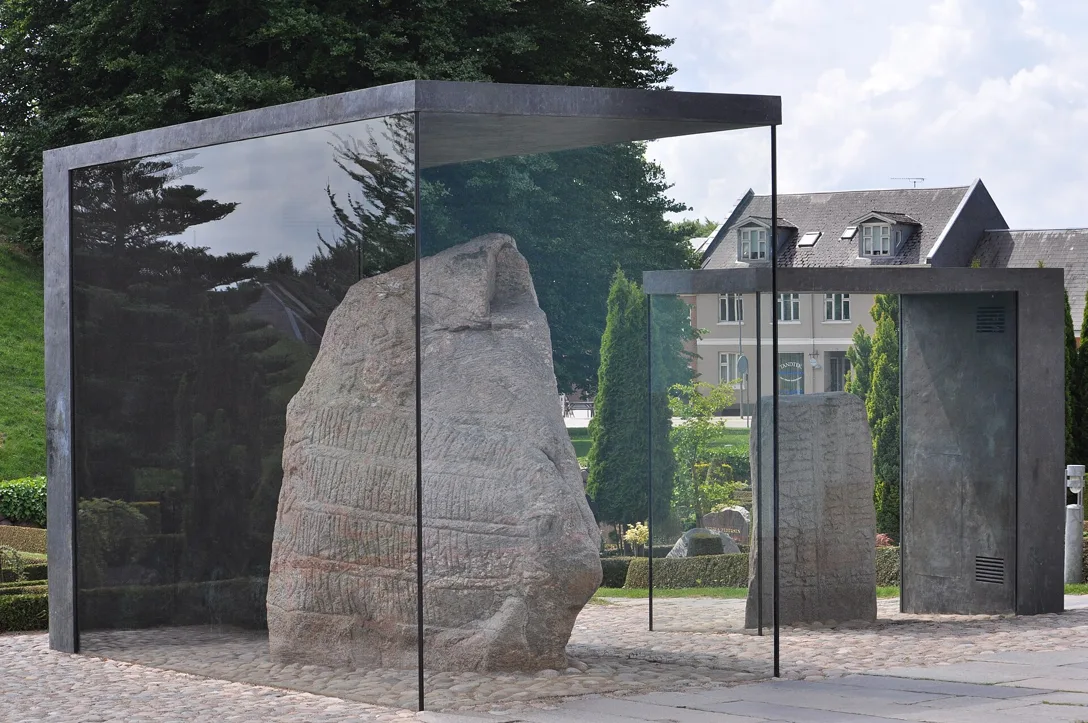
At Jelling, King Harald raises a great runestone for his parents. It says he won all of Denmark and Norway and made the Danes Christian. It is sometimes called Denmark’s birth certificate.
Source The Jelling stone itself (made at the time); Widukind of Corvey (written c. 968) on Harald’s conversion.
-
c. 980
The ring fortresses
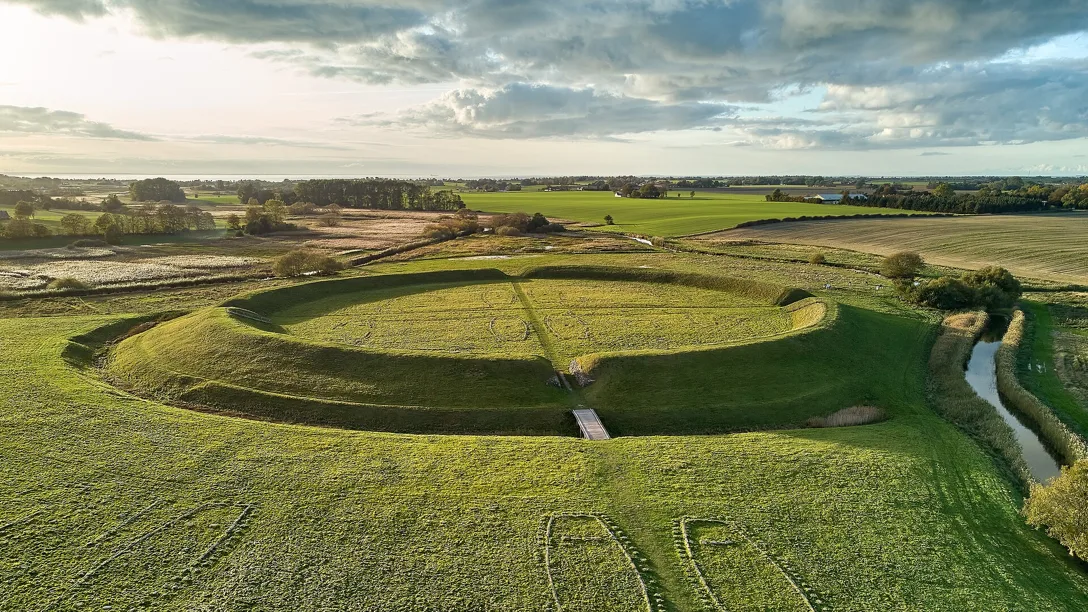
Perfectly circular fortresses are built across Denmark, at Trelleborg, Aggersborg, Fyrkat and elsewhere, to one plan. They show a king able to command labour on a large scale.
Source Archaeology: tree-ring dates from Trelleborg give 980–981.
-
985 or 986
Erik the Red settles Greenland
Exiled from Iceland for killings, Erik the Red explores the land to the west and gives it an attractive name. He returns with settlers; of the 25 ships that sail, 14 arrive. The Norse stay in Greenland for about 450 years.
Source Íslendingabók (about 140 years later) for the date; Landnámabók for the 25 ships and 14 arrivals (the Saga of the Greenlanders says 35 ships); Saga of Erik the Red (13th century).
-
c. 988
The Varangian Guard
Prince Vladimir of Kiev is baptised and sends a large force of warriors, usually put at about 6,000, to help Emperor Basil II. They become the core of the Varangian Guard, the emperor’s own bodyguard of Scandinavians and Rus.
Source Byzantine historians (Psellos, written about 70 years later; Skylitzes, later 11th century); Russian Primary Chronicle. The figure of 6,000 is a modern estimate, not given by Psellos or Skylitzes; the dates of Vladimir’s baptism and the treaty vary between 987 and 989.
-
11 August 991
The battle of Maldon
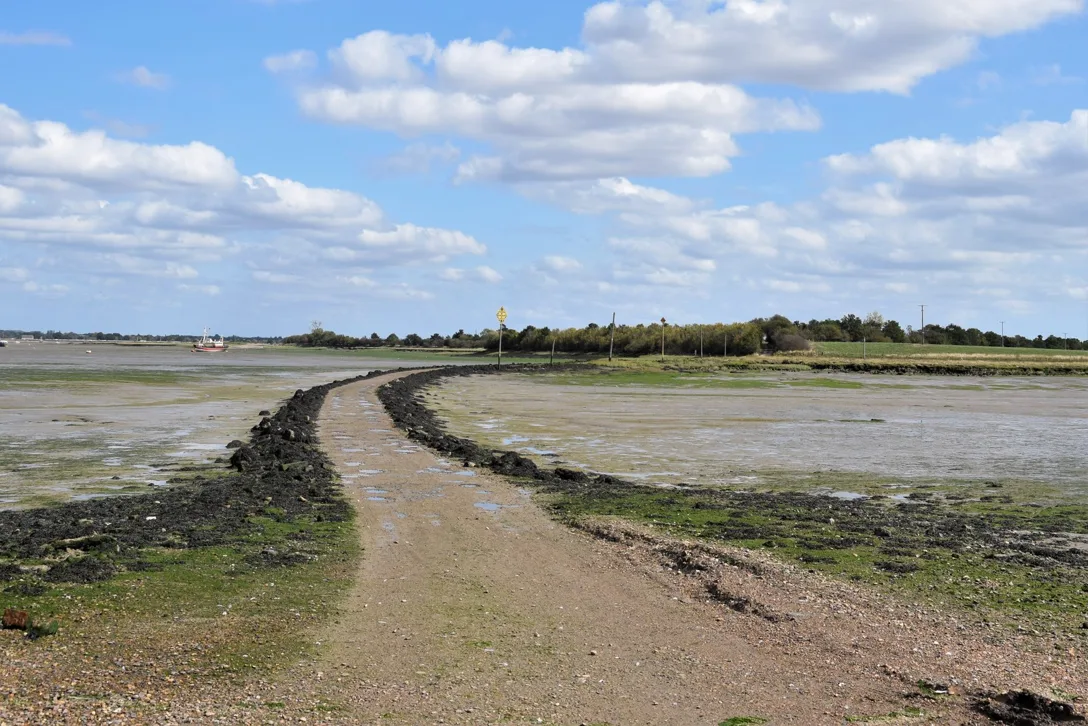
Ealdorman Byrhtnoth lets a Viking army cross the causeway from Northey Island to fight fairly, and is killed. Afterwards England pays its first great tribute of 10,000 pounds, the start of the Danegeld years.
Source Anglo-Saxon Chronicle; the poem The Battle of Maldon (written soon after, partly lost).
- 11th century
-
999 or 1000
Iceland accepts Christianity
With the Althing close to splitting in two, the lawspeaker Þorgeirr decides that all Icelanders will be Christian, while some pagan practices may continue in private.
Source Íslendingabók (about 125 years later).
-
c. 1000
Leif Erikson reaches Vinland
Leif, son of Erik the Red, sails west from Greenland and finds lands he names Helluland, Markland and Vinland. Other voyages follow, but the Norse do not stay.
Source Saga of the Greenlanders and Saga of Erik the Red (13th century). Adam of Bremen mentions Vinland around 1075, the earliest written record.
-
13 November 1002
The St Brice’s Day massacre
King Æthelred orders the killing of “all the Danish men who were in England”. In Oxford the Danes flee into a church, which is burned. Danish revenge raids follow.
Source Anglo-Saxon Chronicle; Æthelred’s own charter of 1004 for St Frideswide’s, Oxford (written at the time). How many died is unknown; it cannot have been all Danes.
-
1013
Sweyn Forkbeard takes England
King Sweyn of Denmark invades, and by the end of the year England accepts him as king. Æthelred flees to Normandy. Sweyn dies at Gainsborough in February 1014.
Source Anglo-Saxon Chronicle (written at the time).
-
23 April 1014
The battle of Clontarf
Brian Boru, high king of Ireland, defeats the king of Leinster and his allies, the Norse of Dublin and fighters from Orkney and the Isles. Brian is killed. Later it was told as Ireland’s victory over the Vikings; it was also an Irish civil war.
Source Annals of Ulster and Annals of Inisfallen (contemporary); Cogad Gáedel re Gallaib (12th century, written to glorify Brian’s family).
-
1016
Cnut, king of England
Sweyn’s son Cnut defeats Edmund Ironside at Assandun. When Edmund dies weeks later, Cnut rules all England. He later becomes king of Denmark (1018) and Norway (1028): a North Sea empire.
Source Anglo-Saxon Chronicle; Encomium Emmae Reginae (written c. 1041 for Cnut’s widow).
-
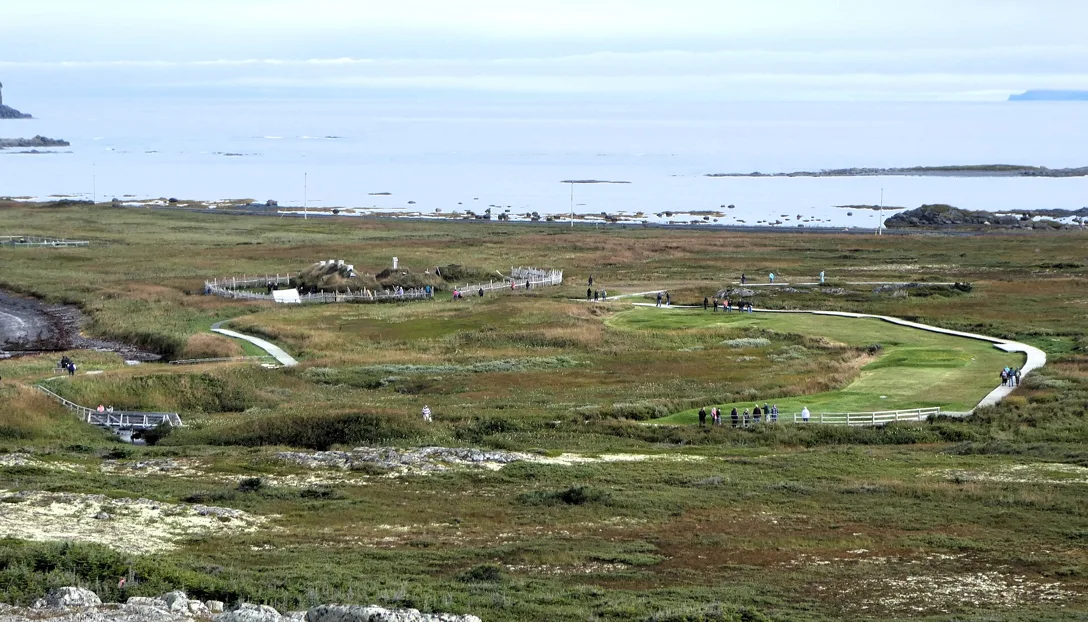
1021
L’Anse aux Meadows
Wood cut with metal blades at the Norse site of L’Anse aux Meadows in Newfoundland can be dated to exactly 1021: the earliest year in which Europeans can be proved to have been in the Americas.
Source Kuitems et al., Nature 2021, using the cosmic-ray signal of 993 in tree rings. The site is a short-lived base; whether it is the Vinland of the sagas is debated.
-
29 July 1030
Stiklestad
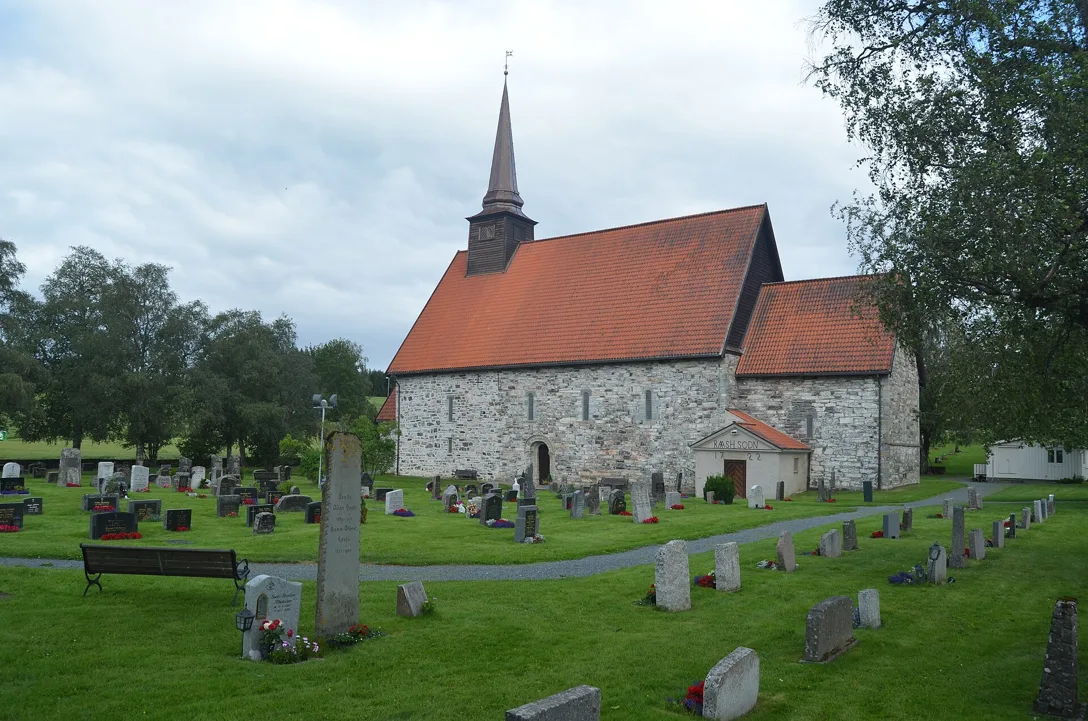
Olaf Haraldsson, driven out of Norway by Cnut, returns and is killed by an army of Norwegian farmers. Within a year he is honoured as a saint, and Saint Olaf becomes Norway’s eternal king.
Source Skaldic poems (written within living memory); Snorri Sturluson’s Heimskringla (c. 1230), which gives the traditional date.
-
c. 1034–1043
Harald Hardrada in Constantinople
Olaf’s young half-brother Harald, who fought at Stiklestad, serves in the Varangian Guard and fights for Byzantium in Sicily and against a revolt in Bulgaria. He comes home rich, shares the throne of Norway from 1046 and rules alone from 1047.
Source Kekaumenos’ Advice to an Emperor (written c. 1075–1078, mentions “Araltes”); Heimskringla (later).
-
1042
The end of Danish rule in England
Cnut’s son Harthacnut dies at a wedding feast, and the English crown goes back to the house of Wessex with Edward the Confessor, who grew up in exile in Normandy.
Source Anglo-Saxon Chronicle.
-
1043
The last Rus attack on Constantinople
A Rus fleet led by Vladimir, son of Yaroslav the Wise, attacks Constantinople and is destroyed by Greek fire. It is the last Rus attack on the city.
Source Psellos (eyewitness); Russian Primary Chronicle.
-
5–6 January 1066
Three men want the throne
Edward the Confessor dies childless. Harold Godwinson is crowned the next day. Harald Hardrada of Norway and Duke William of Normandy both claim the crown.
Source Anglo-Saxon Chronicle; the Bayeux Tapestry (made within about 15 years).
-
20 September 1066
Fulford
Harald Hardrada lands in Yorkshire with Harold’s exiled brother Tostig and defeats the northern earls Edwin and Morcar at Fulford outside York.
Source Anglo-Saxon Chronicle; Heimskringla (later).
-
25 September 1066
Stamford Bridge
King Harold marches north in days and surprises the Norwegians at Stamford Bridge. Hardrada and Tostig are killed. Of some 300 ships that came, 24 are needed to take the survivors home.
Source Anglo-Saxon Chronicle: manuscripts D and E give the 300 ships, only D the 24 ships home; C, which stops in 1066, was written at the time, D and E somewhat later.
-
14 October 1066
Hastings
Less than three weeks later William of Normandy, a descendant of Rollo, defeats and kills Harold near Hastings. Historians usually end the Viking Age with 1066: England’s last conquerors came from Normandy, not Scandinavia.
Source Anglo-Saxon Chronicle; William of Poitiers (written c. 1071–1077); the Bayeux Tapestry.
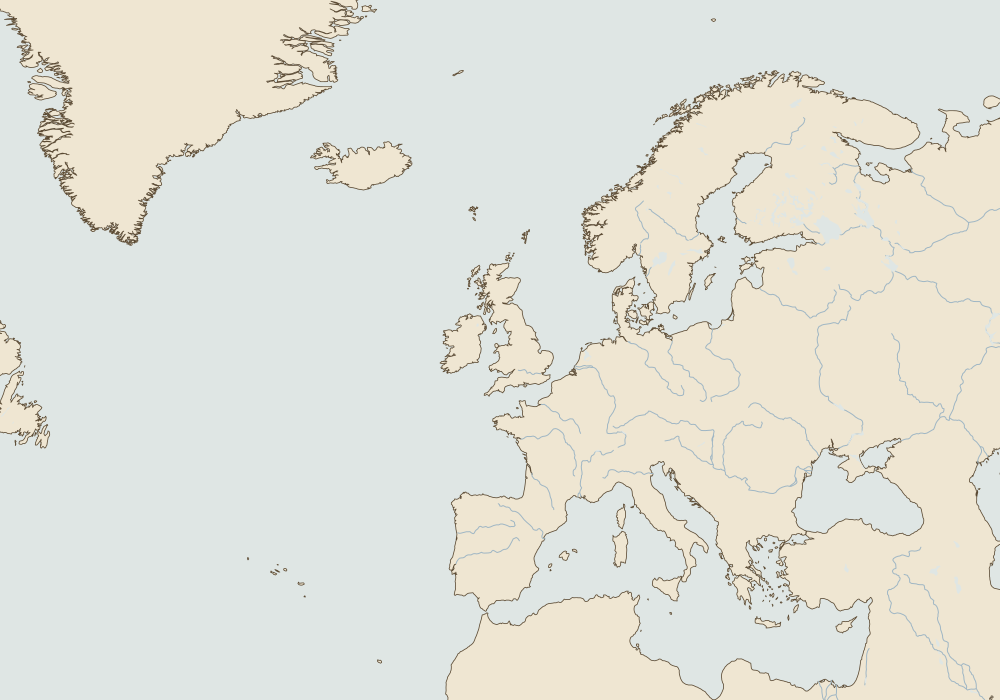
The Viking world
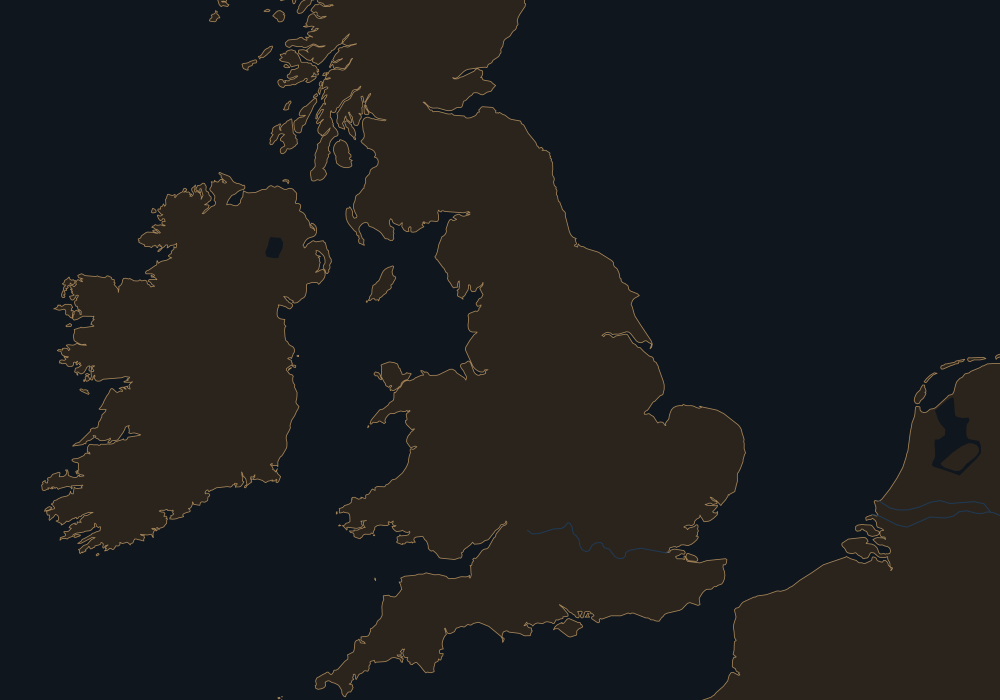
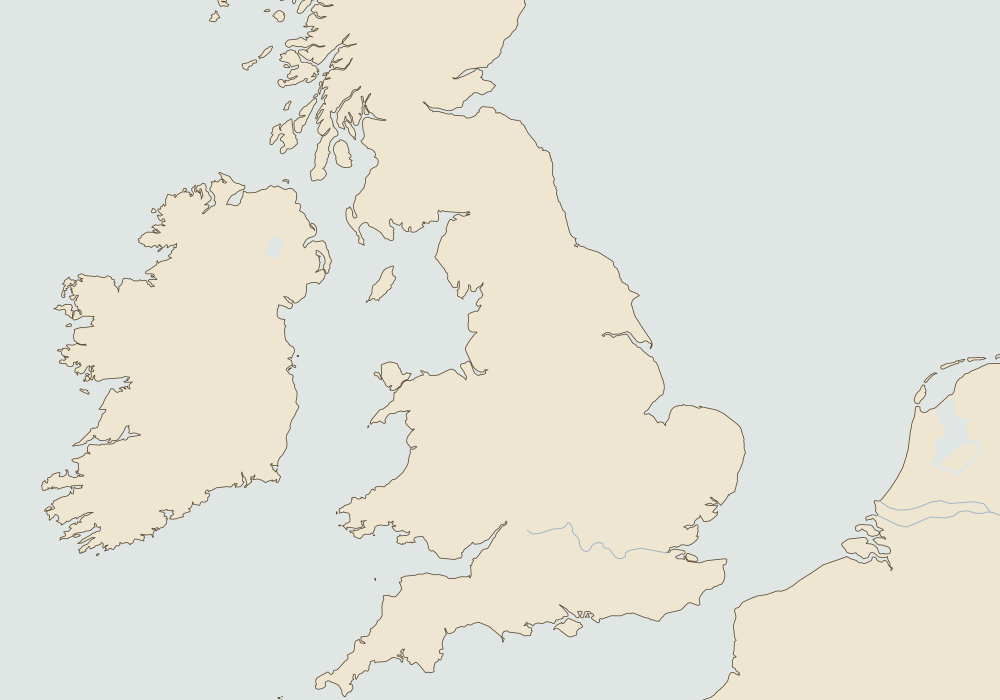
Vikings in Britain and Ireland
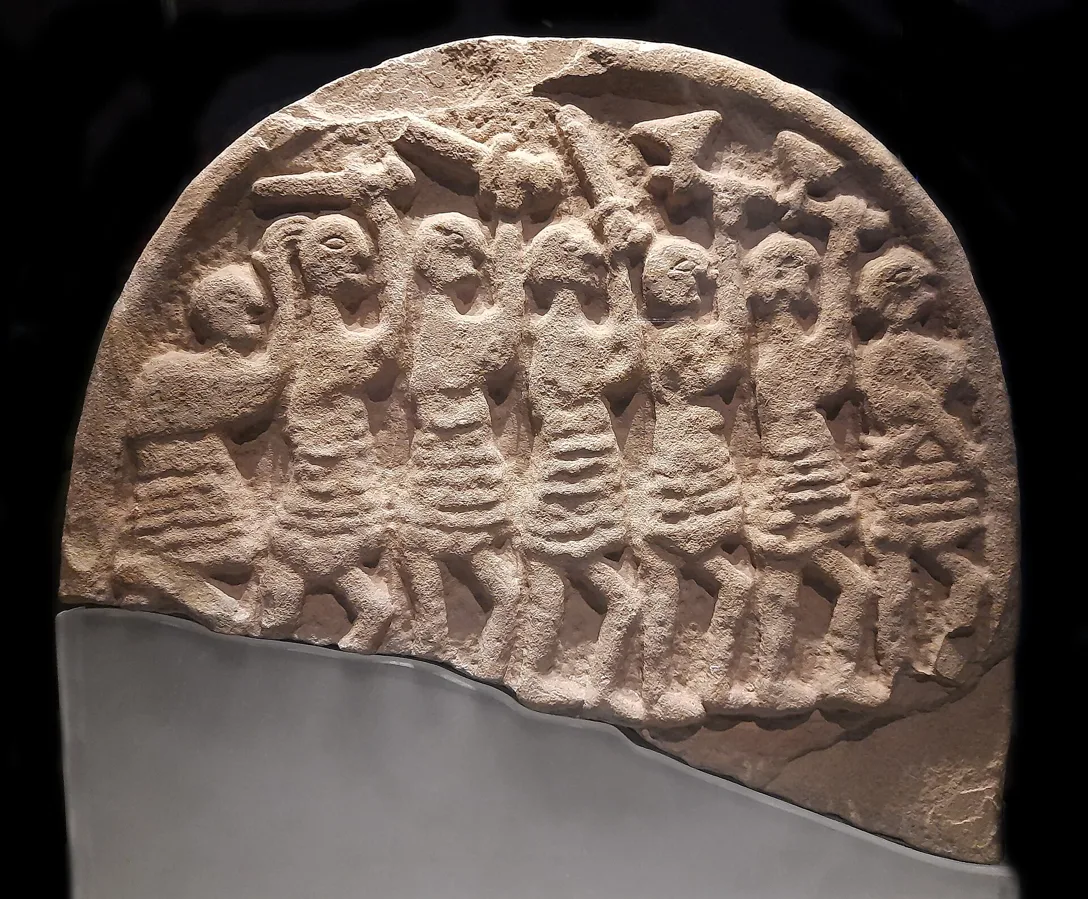
What survives
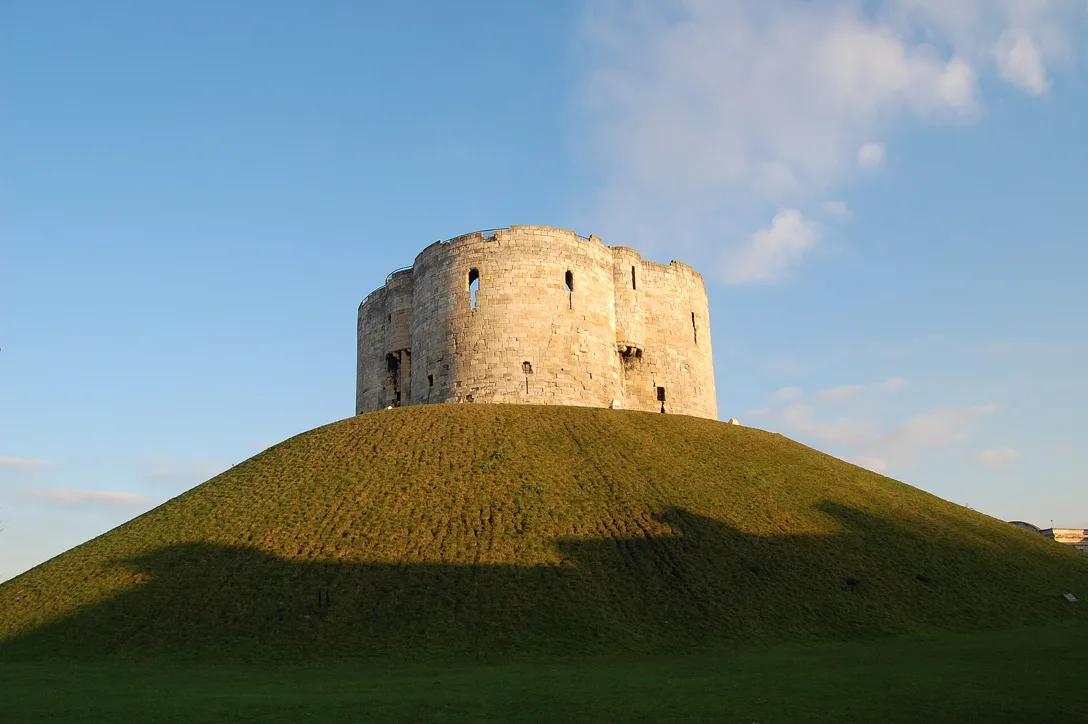
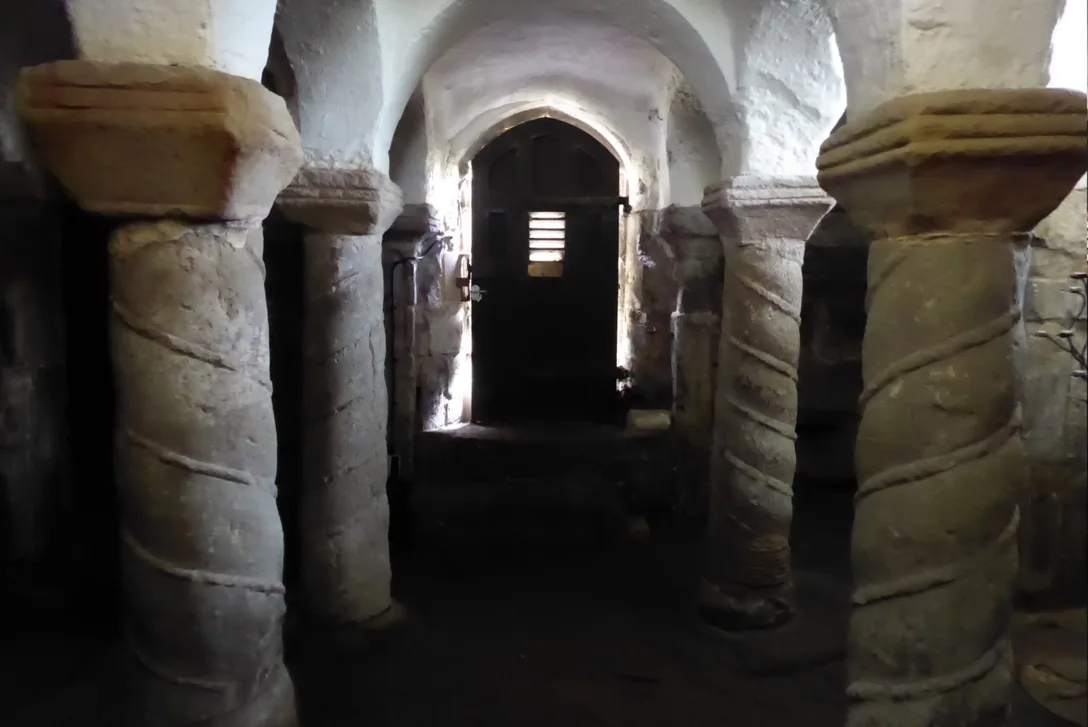
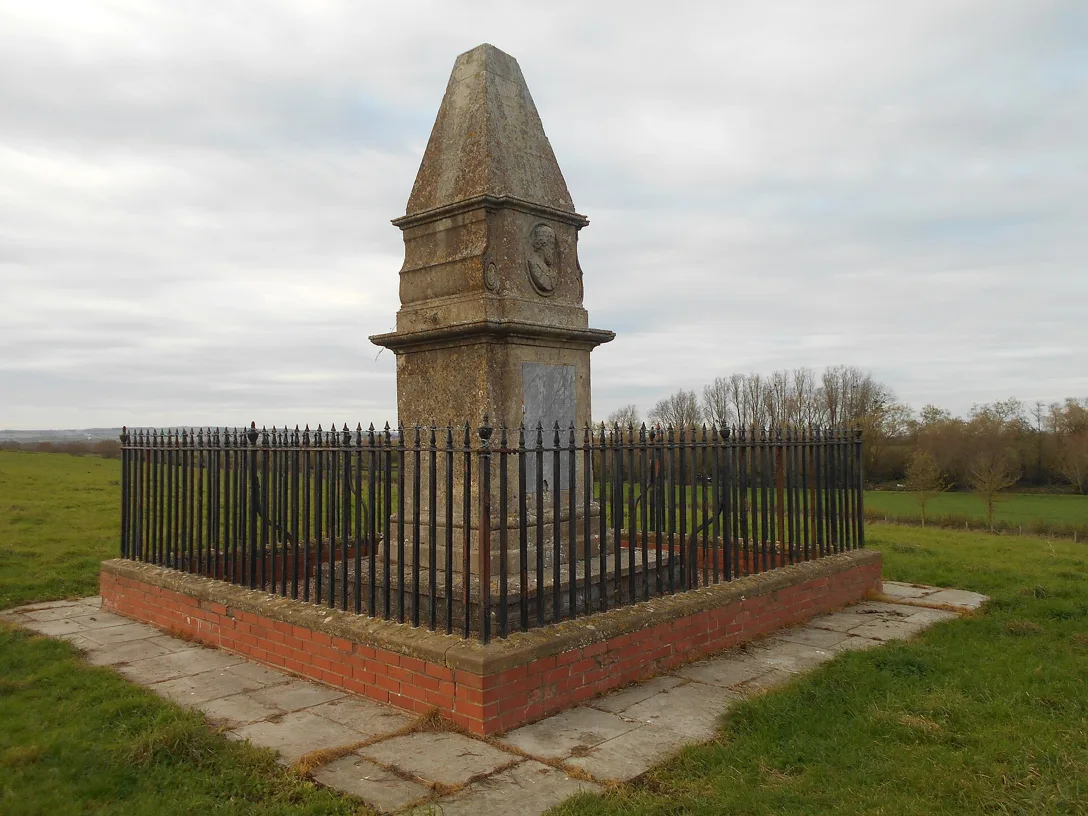
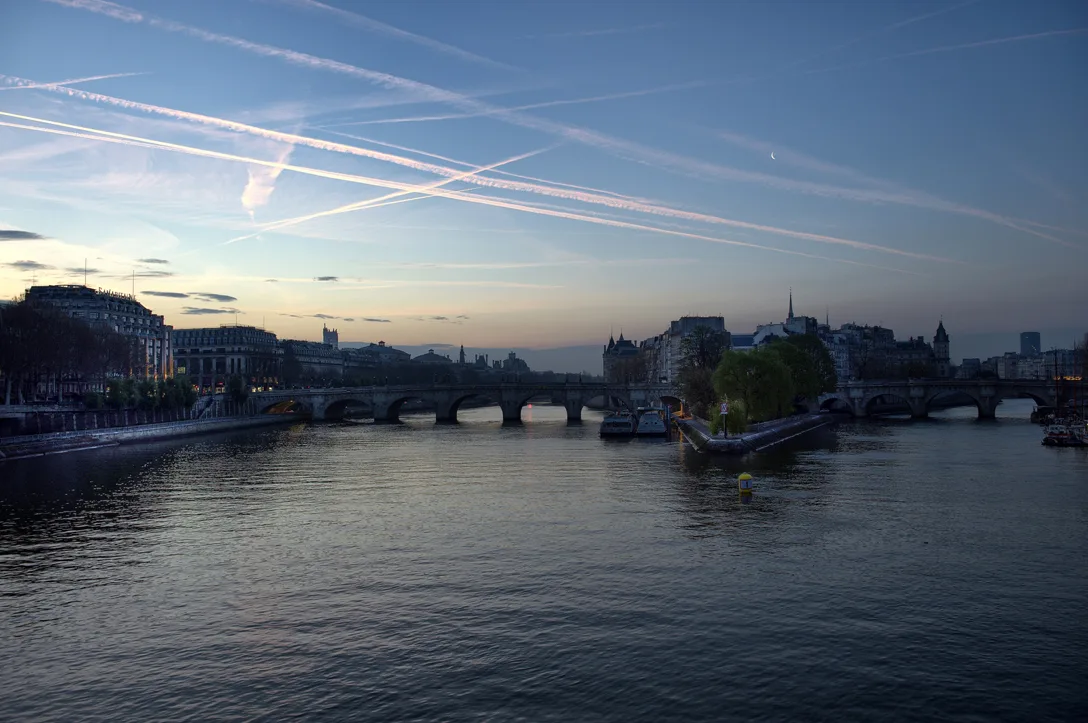
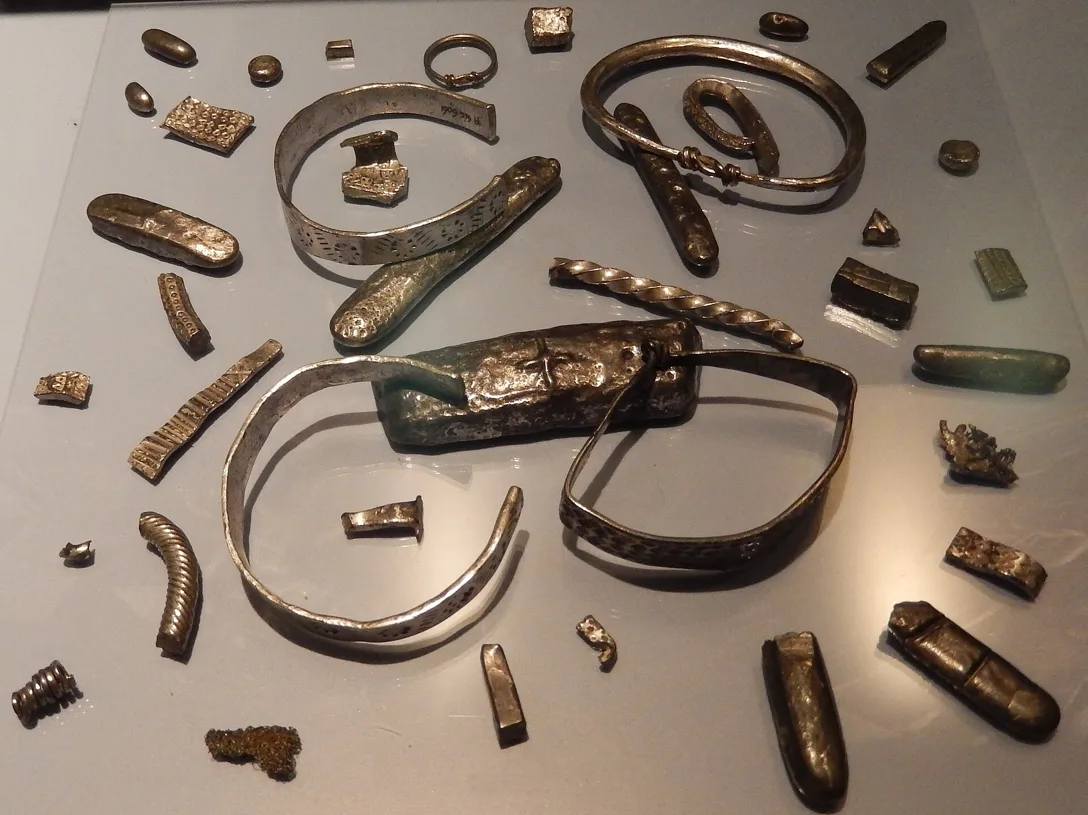
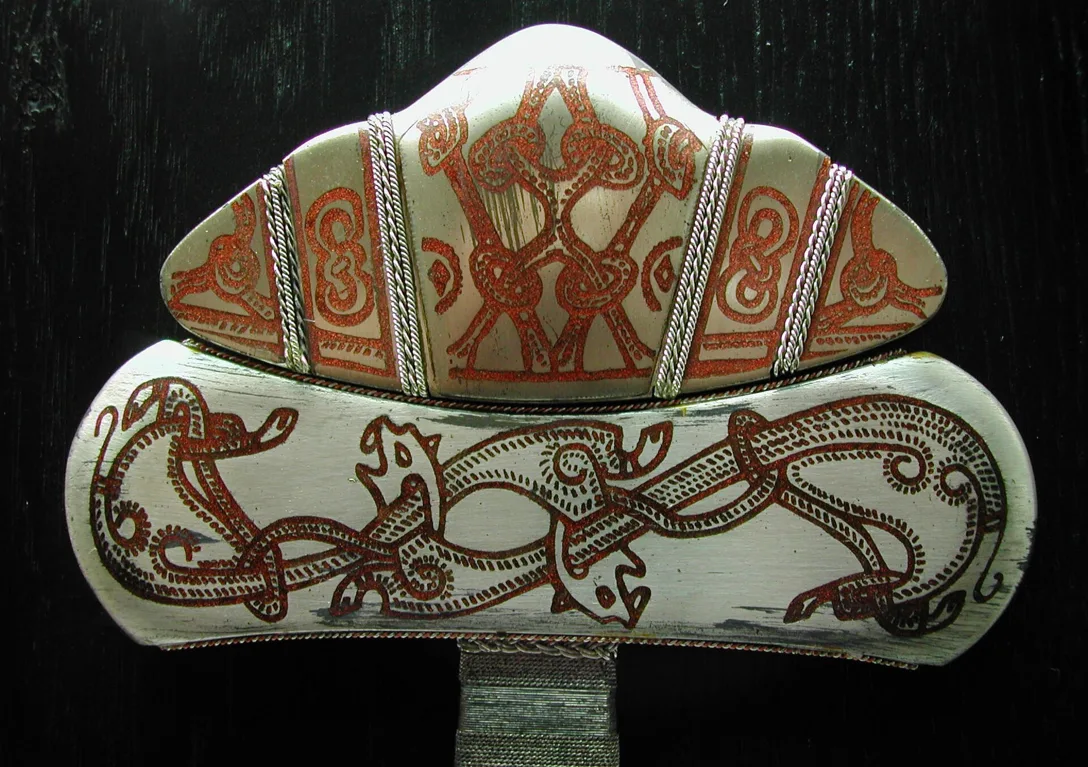
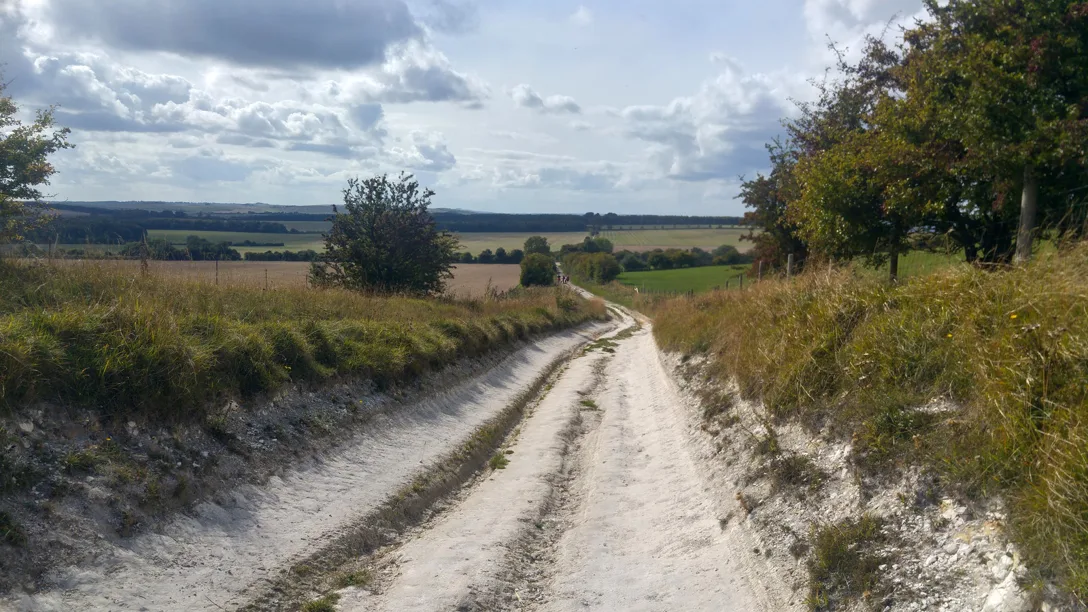
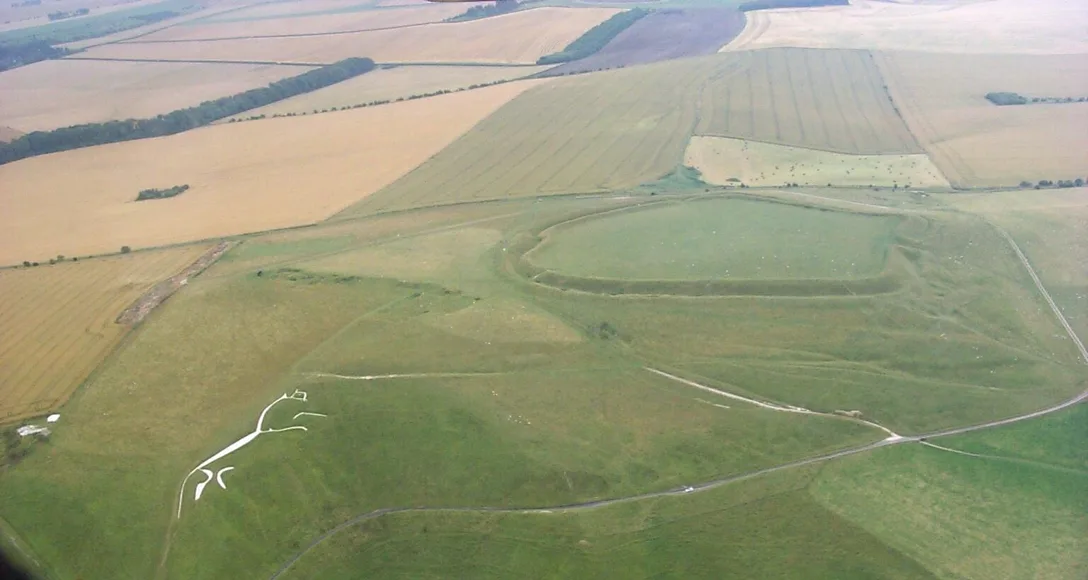
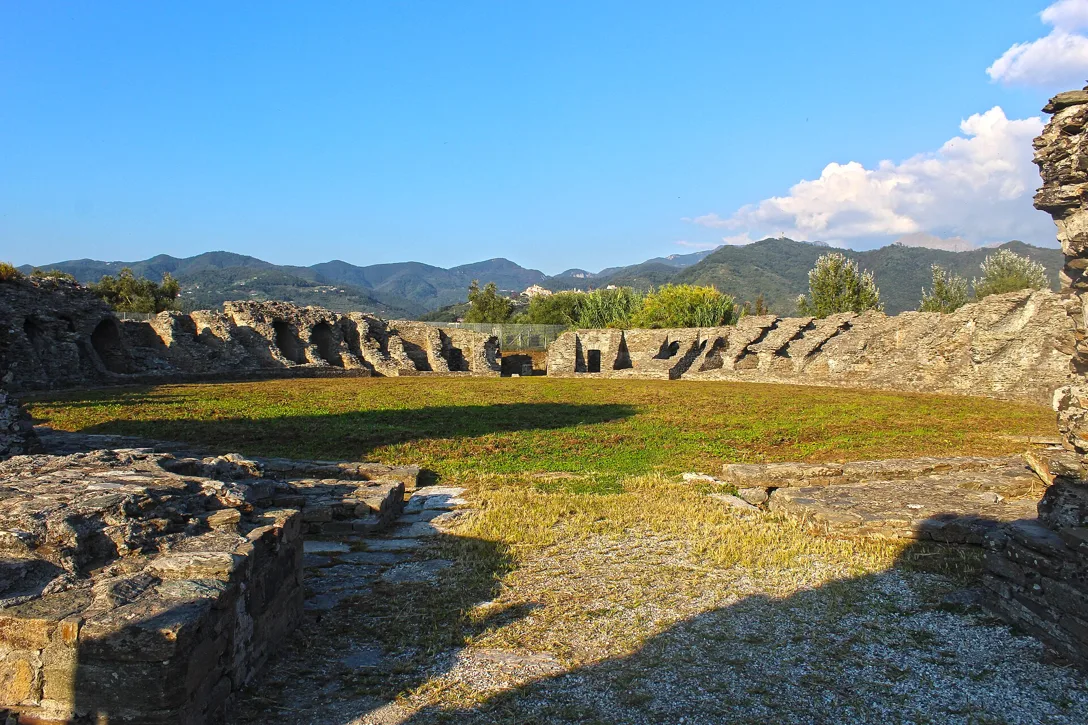
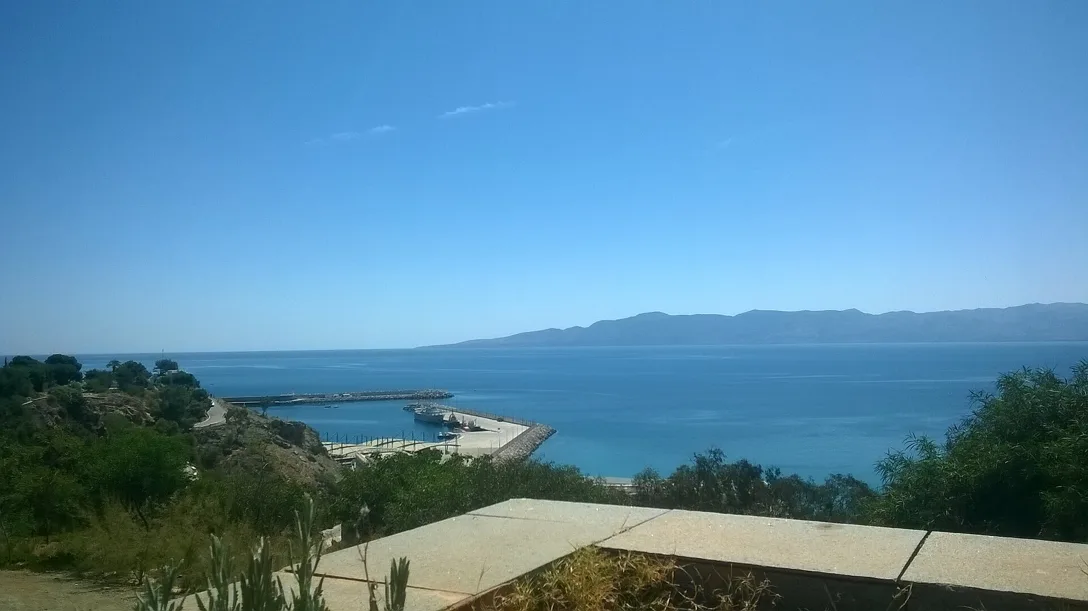
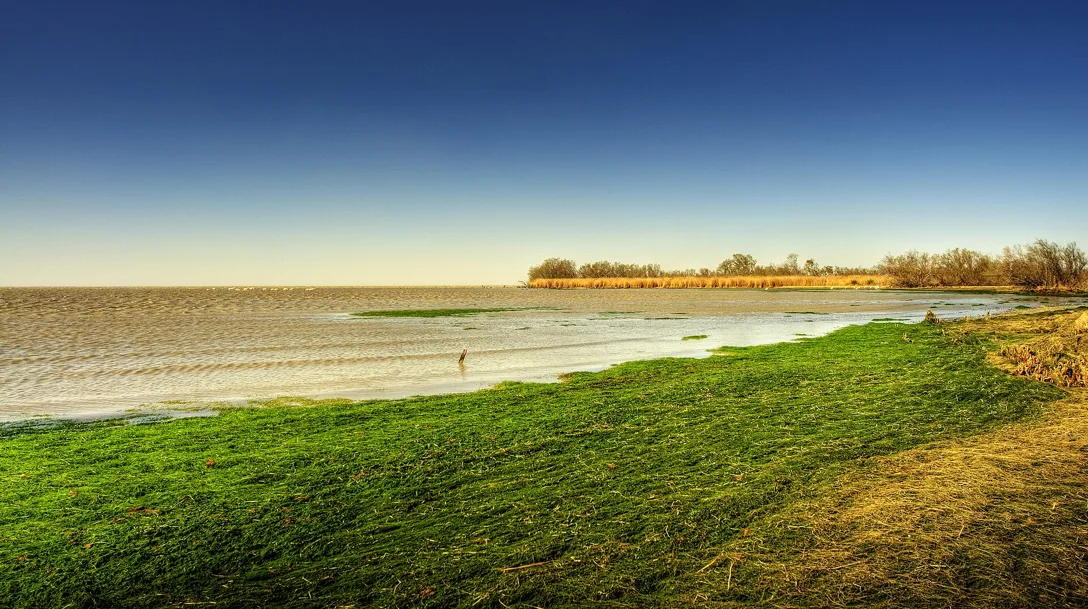
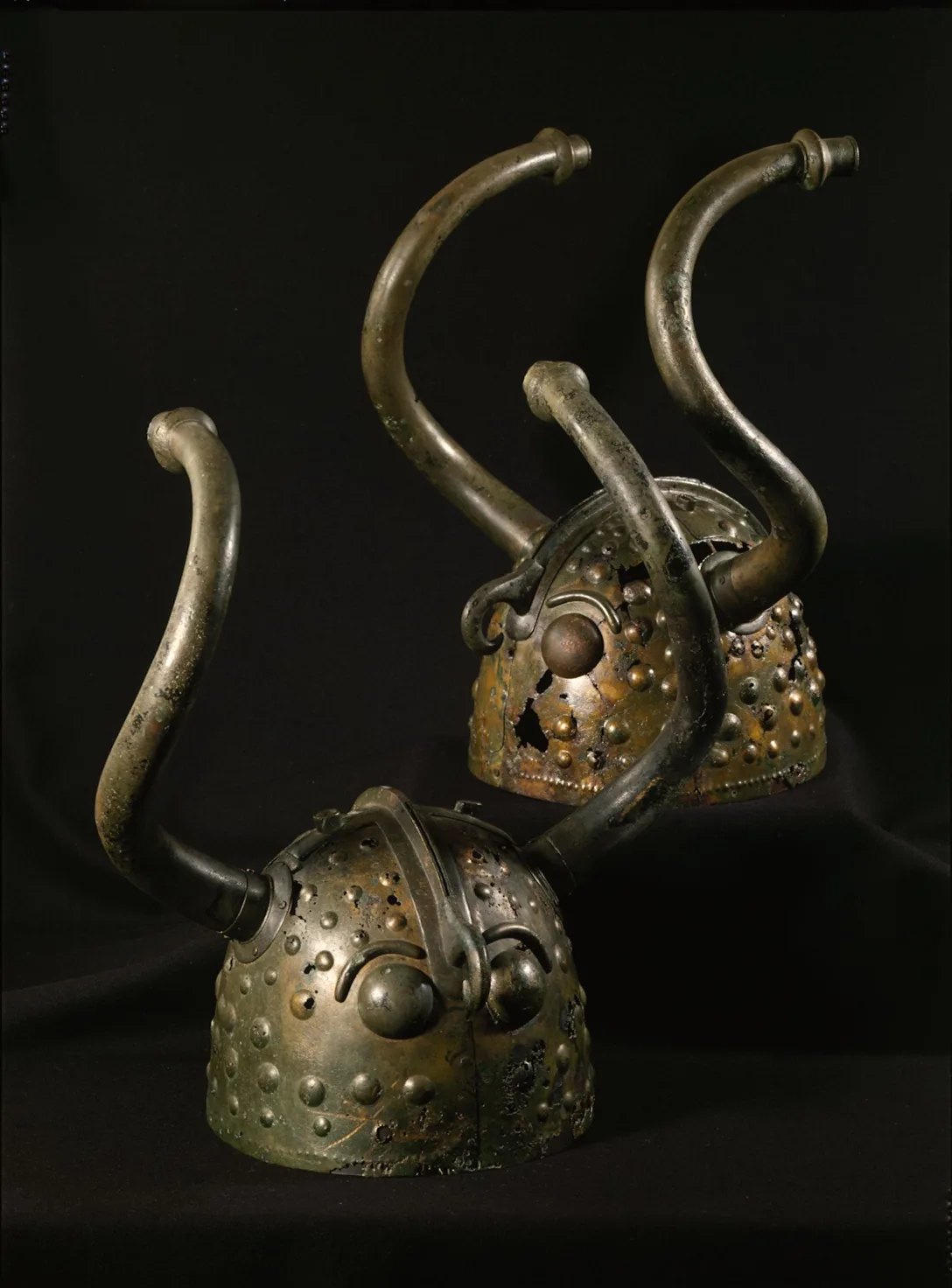
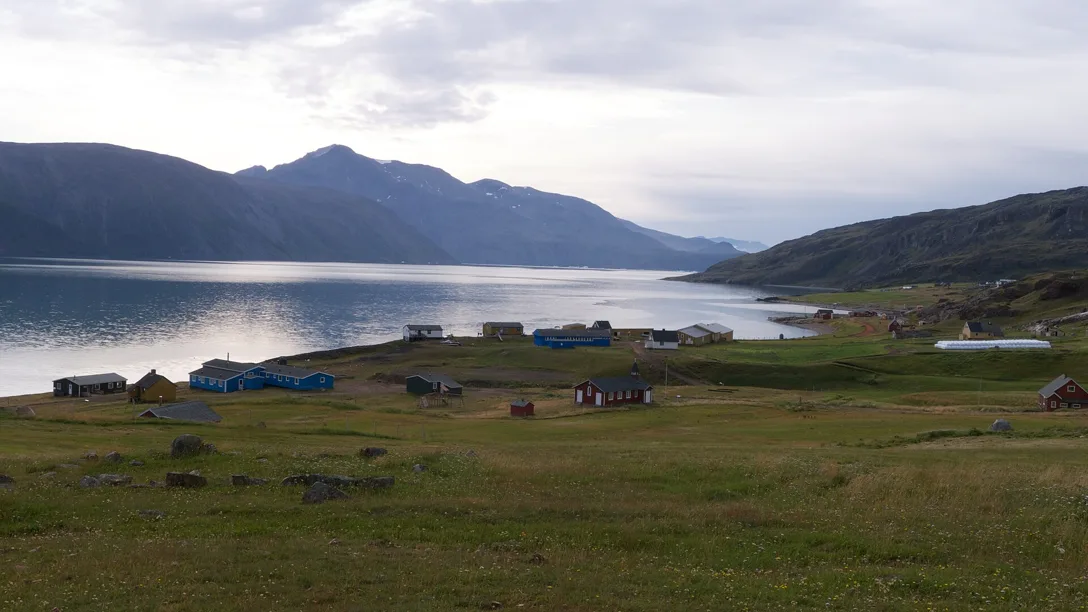
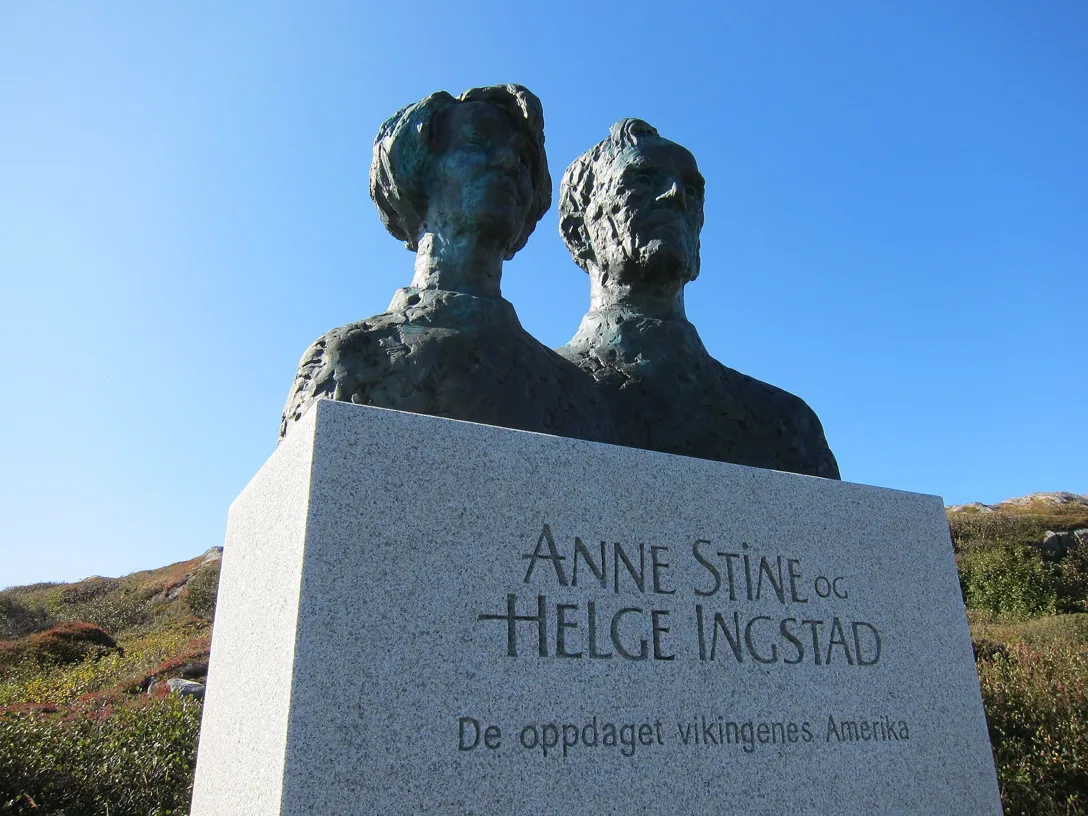
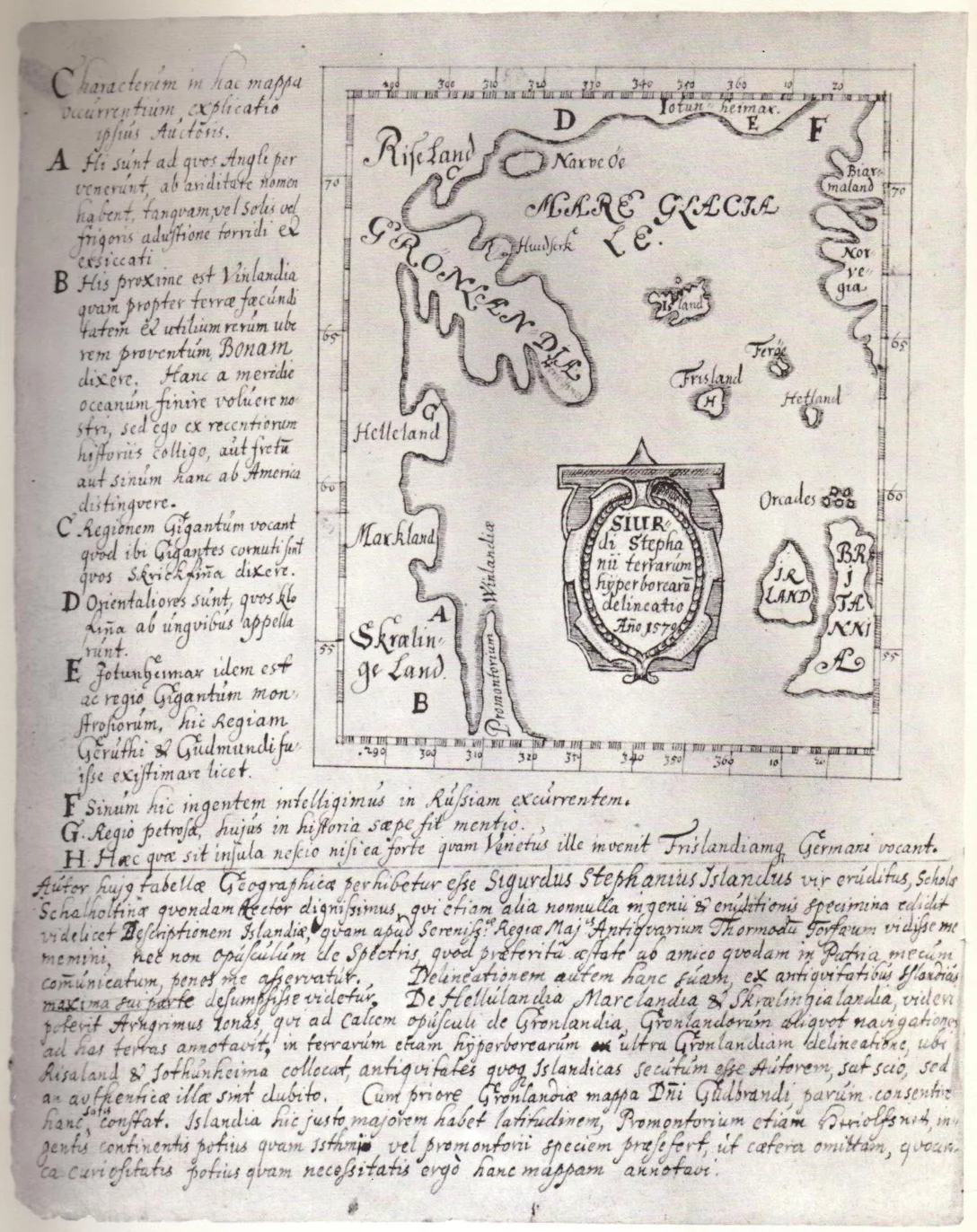
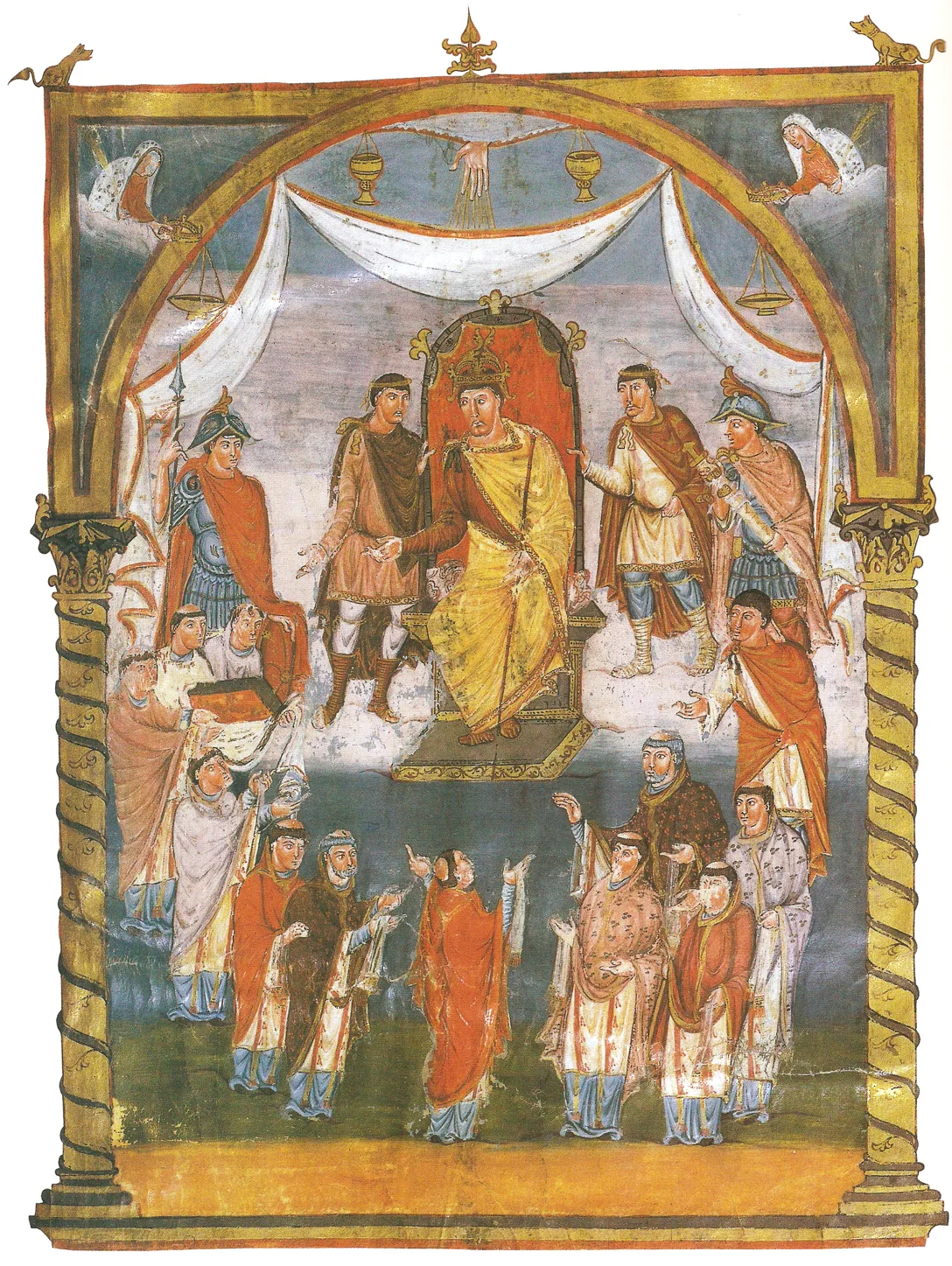
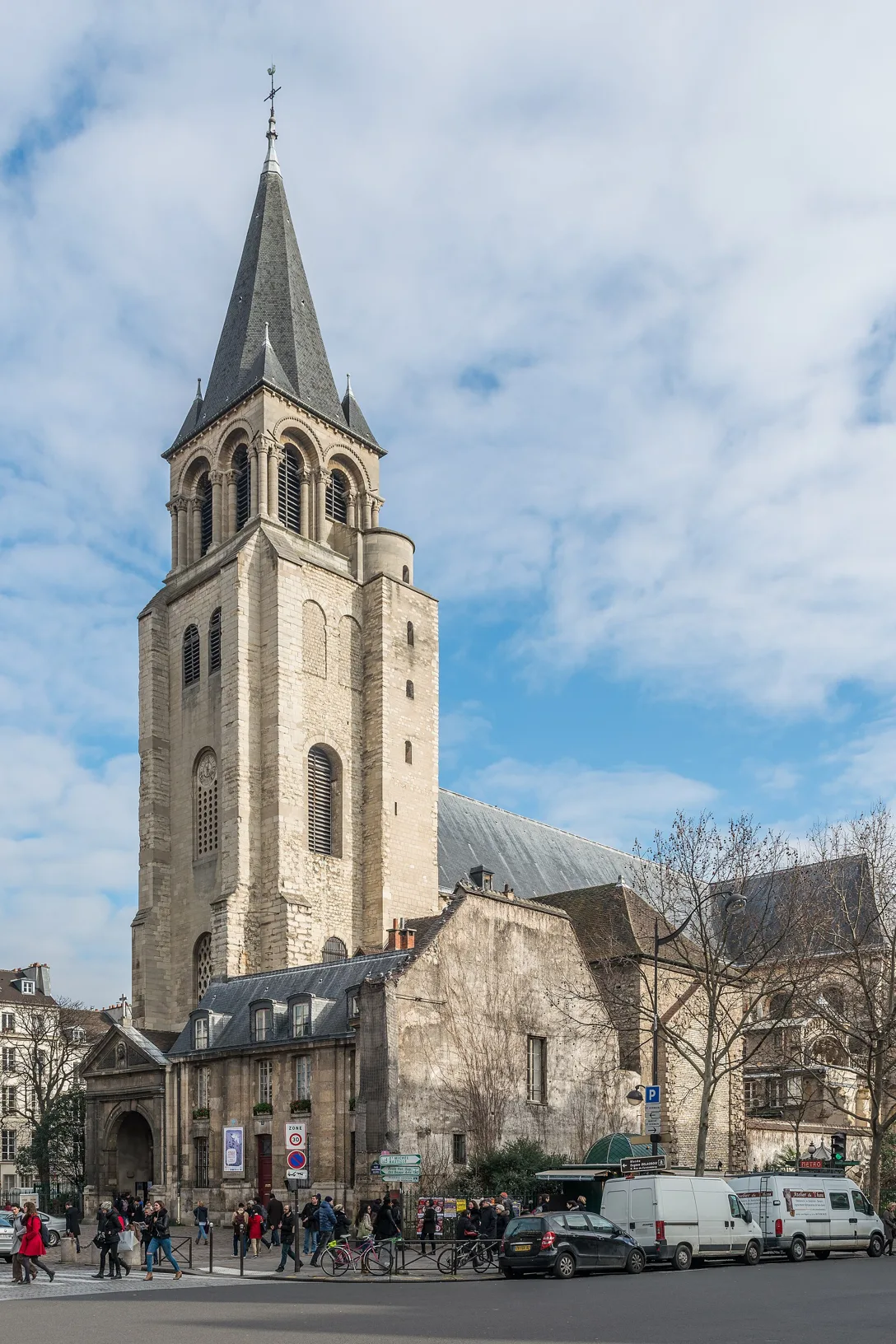
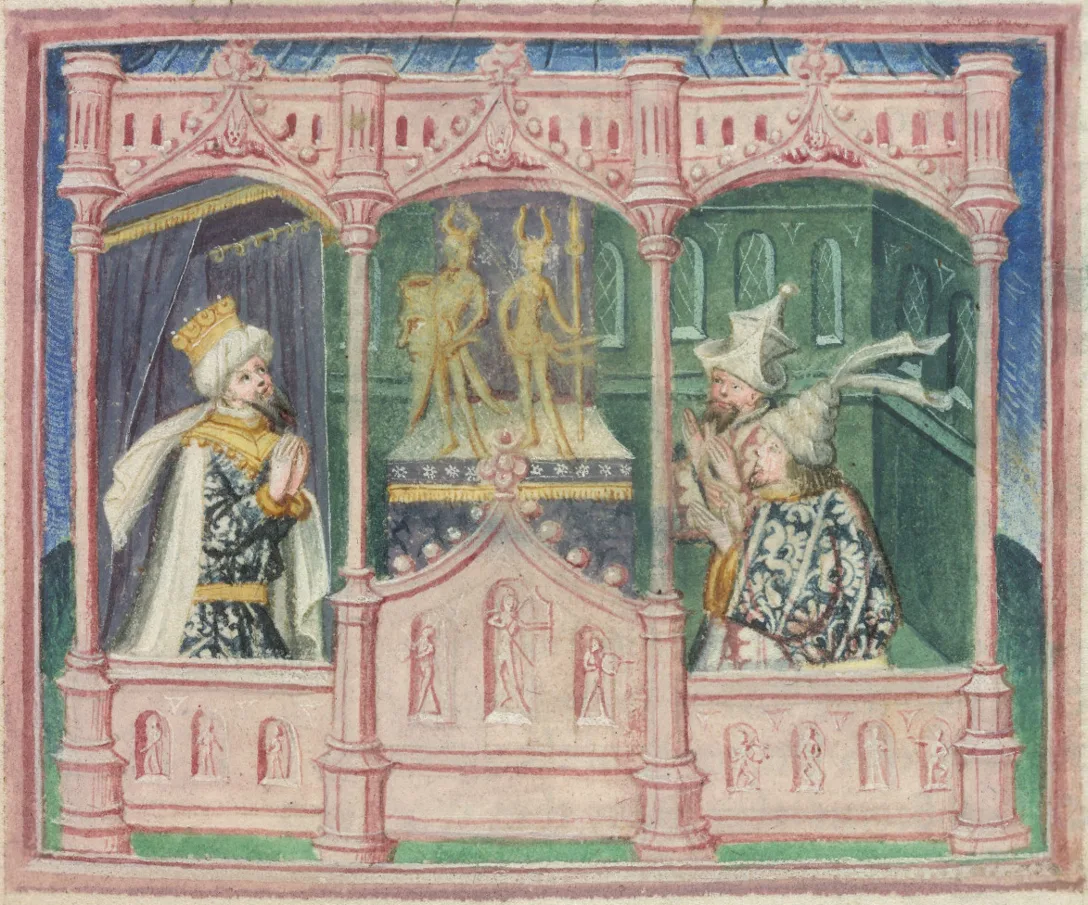
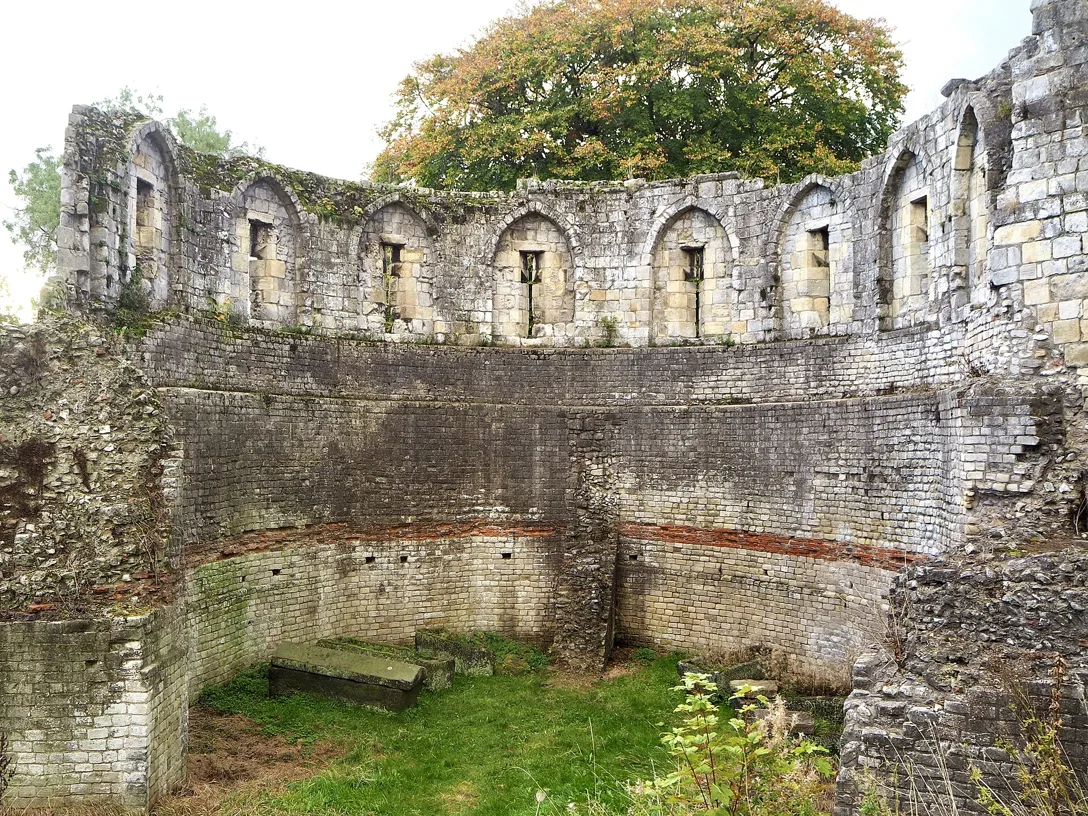
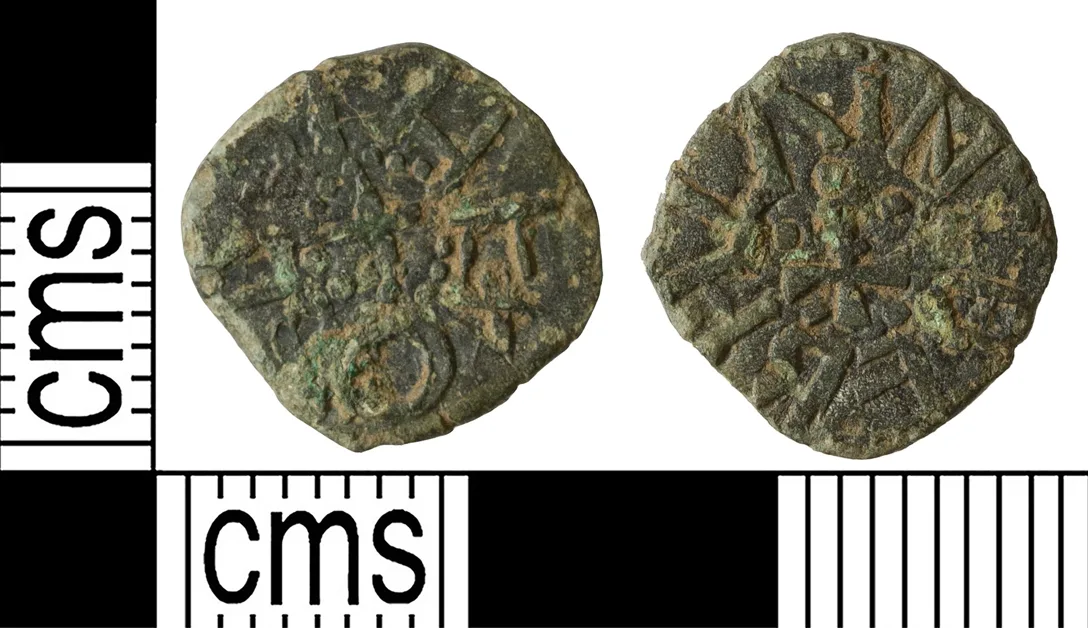
REAL OBJECTS AND PLACESShips, stones, silver and places from the Viking Age, in museums and on the ground today. Click a picture to see it larger.











How did the Vikings see it?
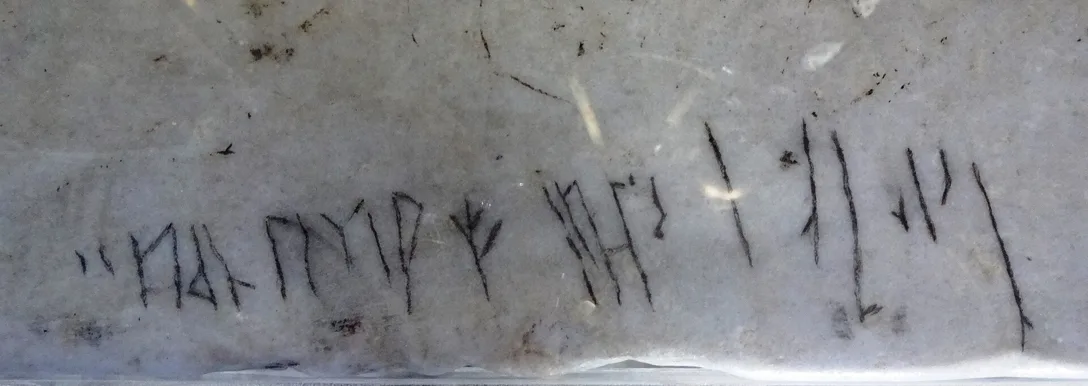
Most of what was written about the Vikings at the time was written by the people they attacked: monks, Frankish and Irish annalists, Arab and Byzantine writers. The Norse wrote little themselves. Their own voices survive in runestones, set up for the dead and boasting of voyages east and west, and in skaldic poems learned by heart and written down much later. The famous sagas were written in Iceland in the 12th and 13th centuries, two to four hundred years after the events.
The Viking Age in song
Each song tells one part of the story in about three minutes, with its facts checked against the sources. It plays at the top of its chapter.
Coming soon♪ SongCHAPTERS 3 AND 5RagnarComing soon♪ SongCHAPTER 3Seven Thousand PoundsComing soon♪ SongCHAPTER 4IronsideComing soon♪ SongCHAPTER 7Like a Wild Boar