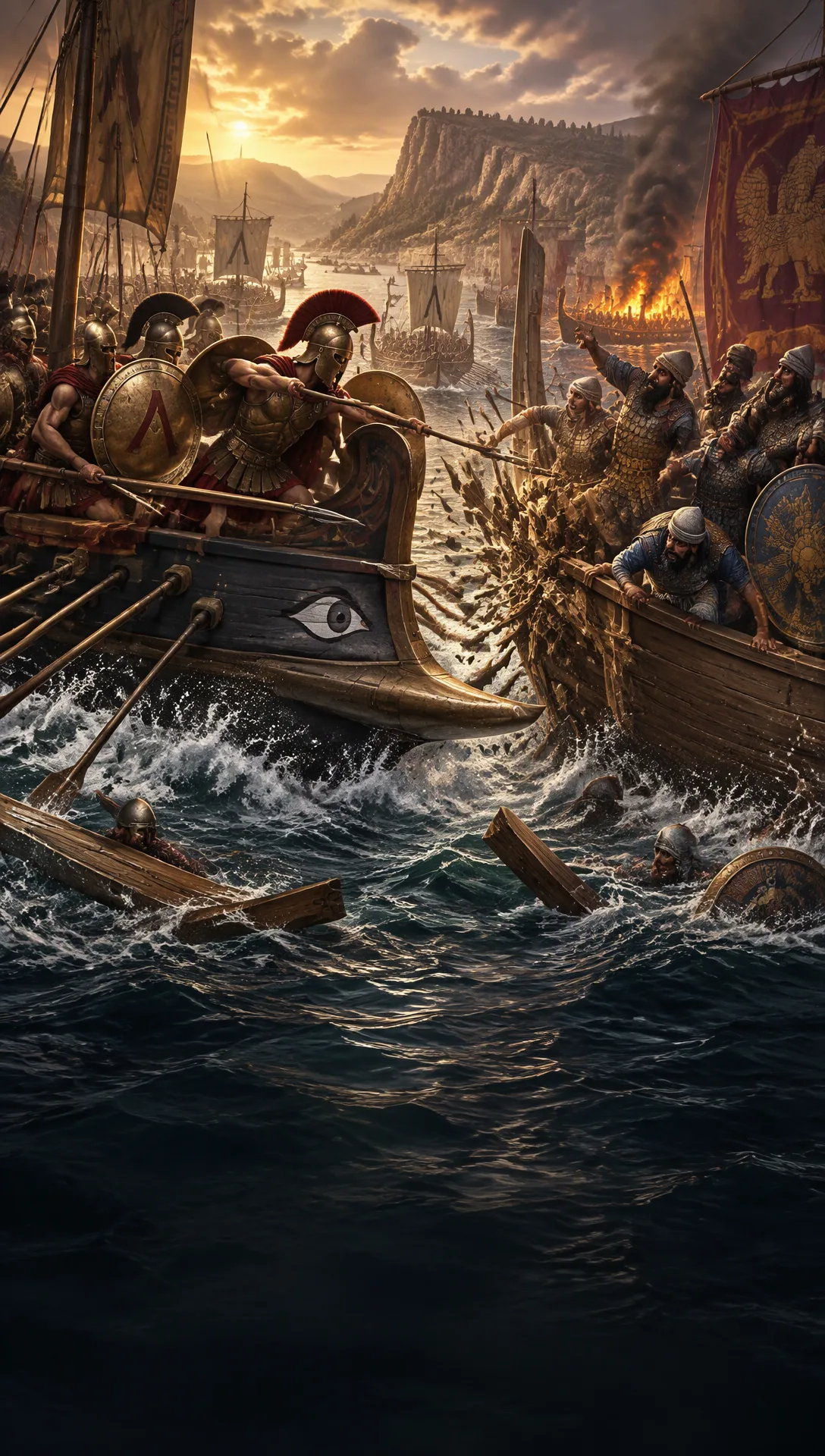
The Persian Wars
Not one war but a series of them: a revolt in Ionia, two Persian invasions of Greece, and thirty years of Greek counterattacks. Thermopylae, Marathon and Salamis all belong to this story, but to different chapters of it.
Four wars in one
Pick a phase on the timeline or below to see its chapters.
Part I: The Ionian Revolt
499–493 BCThe Greek cities of Ionia, on the coast of Asia Minor, rise against Persian rule. Athens and Eretria send ships, and Sardis, a seat of Persian power, is burned. Persia crushes the revolt at Lade and takes Miletus.
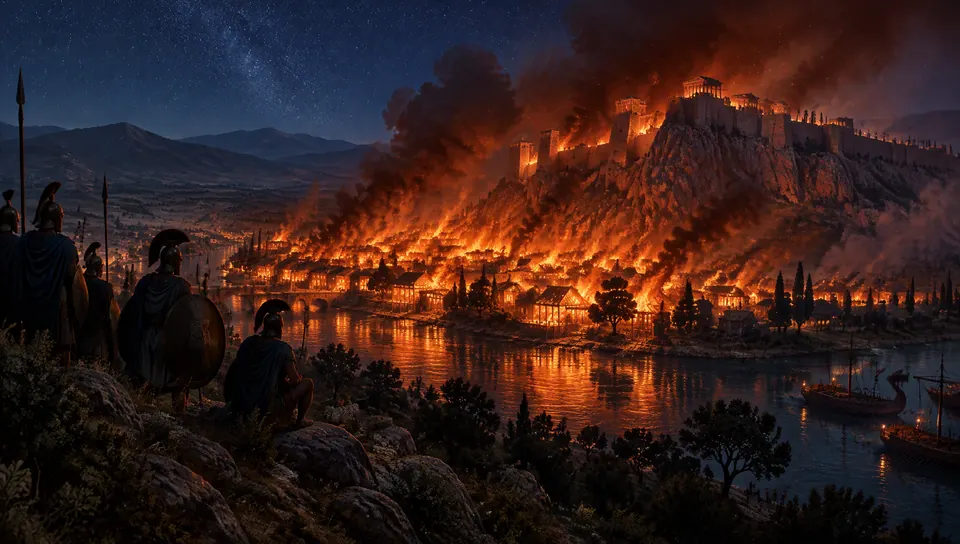 Ionia rises, Sardis burnsWhy Athens got involved in a revolt on the far side of the Aegean.
 Lade and the fall of MiletusThe sea battle that ended the revolt.
Part II: The first invasion
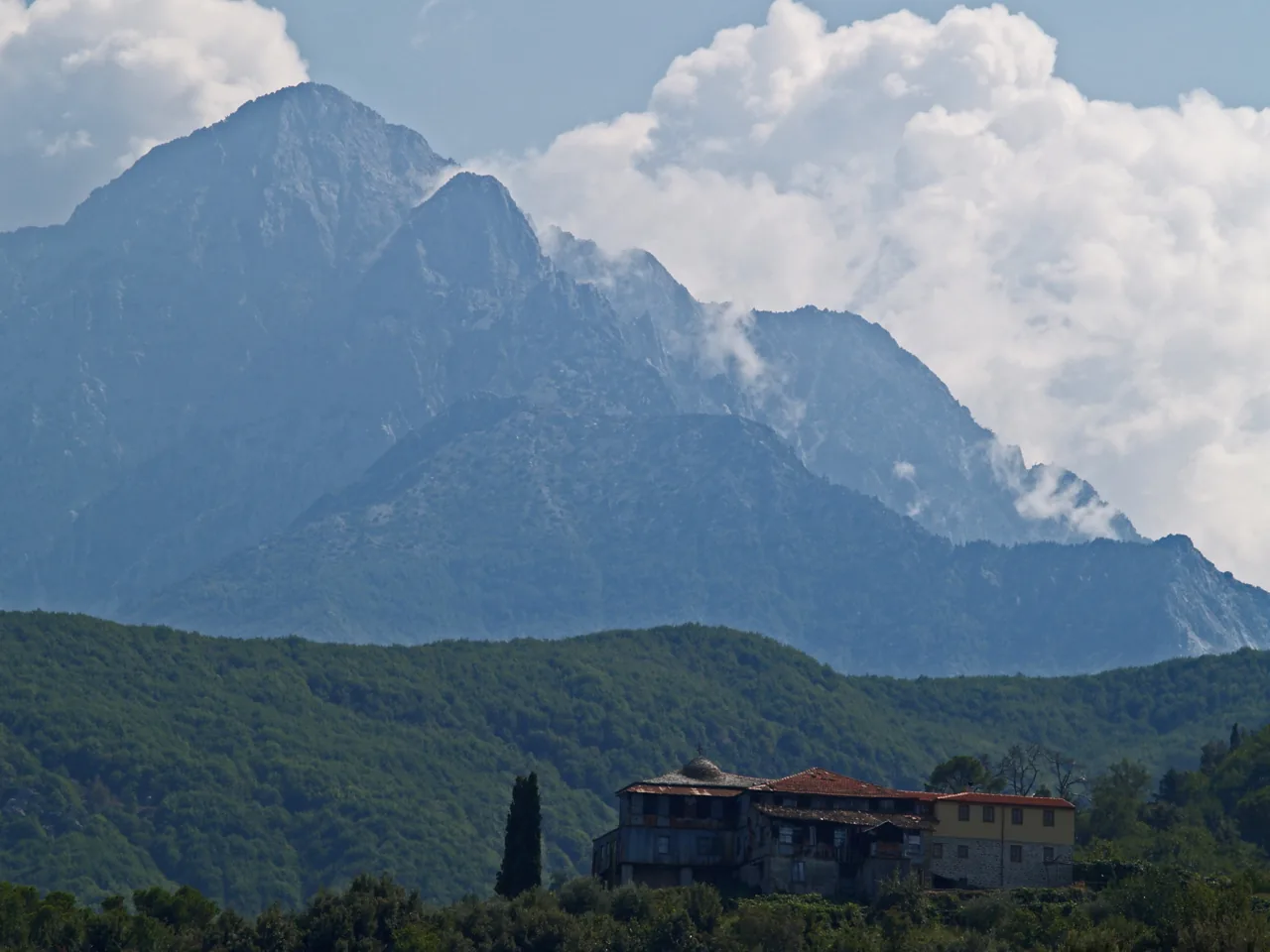
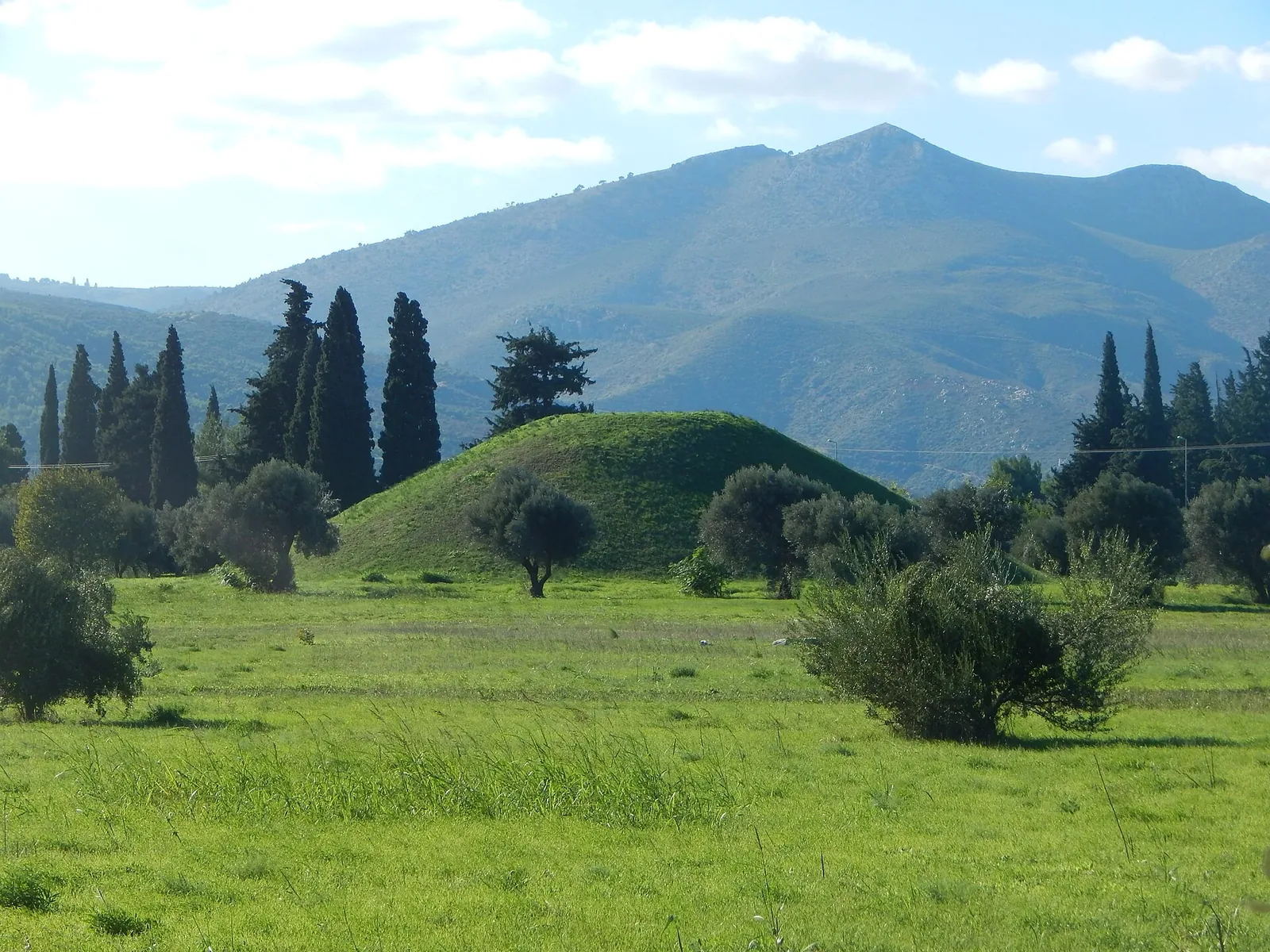
492–490 BCDarius sends his fleet and army to punish Athens and Eretria. Mardonius’ first attempt is wrecked off Mount Athos; in 490 BC Datis and Artaphernes sack Eretria and land at Marathon.
The storm at Mount AthosThe first campaign that never reached Athens.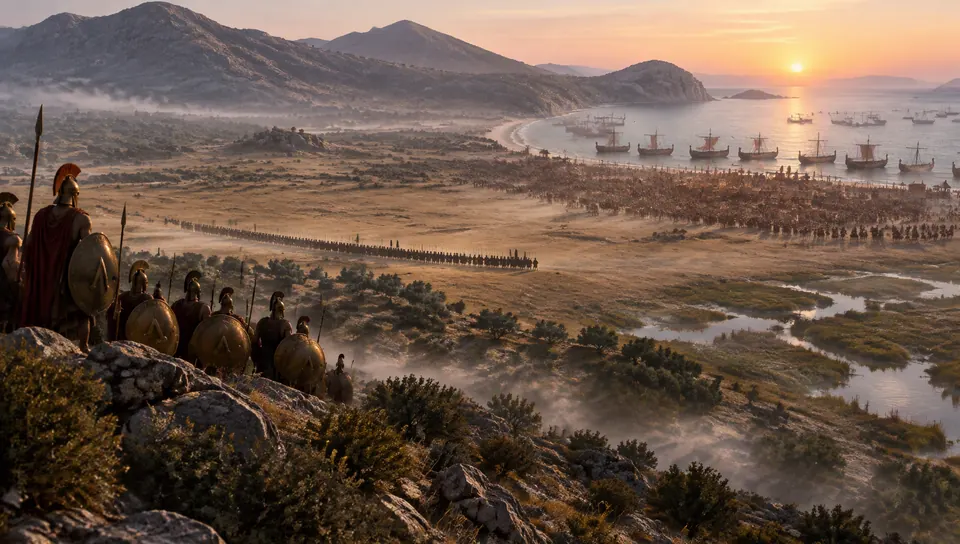 MarathonHow Athens and Plataea beat a Persian army without waiting for Sparta.
Part III: The second invasion
480–479 BCTen years later Xerxes comes himself, with a far larger army and fleet. Only part of Greece unites against him. The war is decided at sea at Salamis and on land at Plataea.
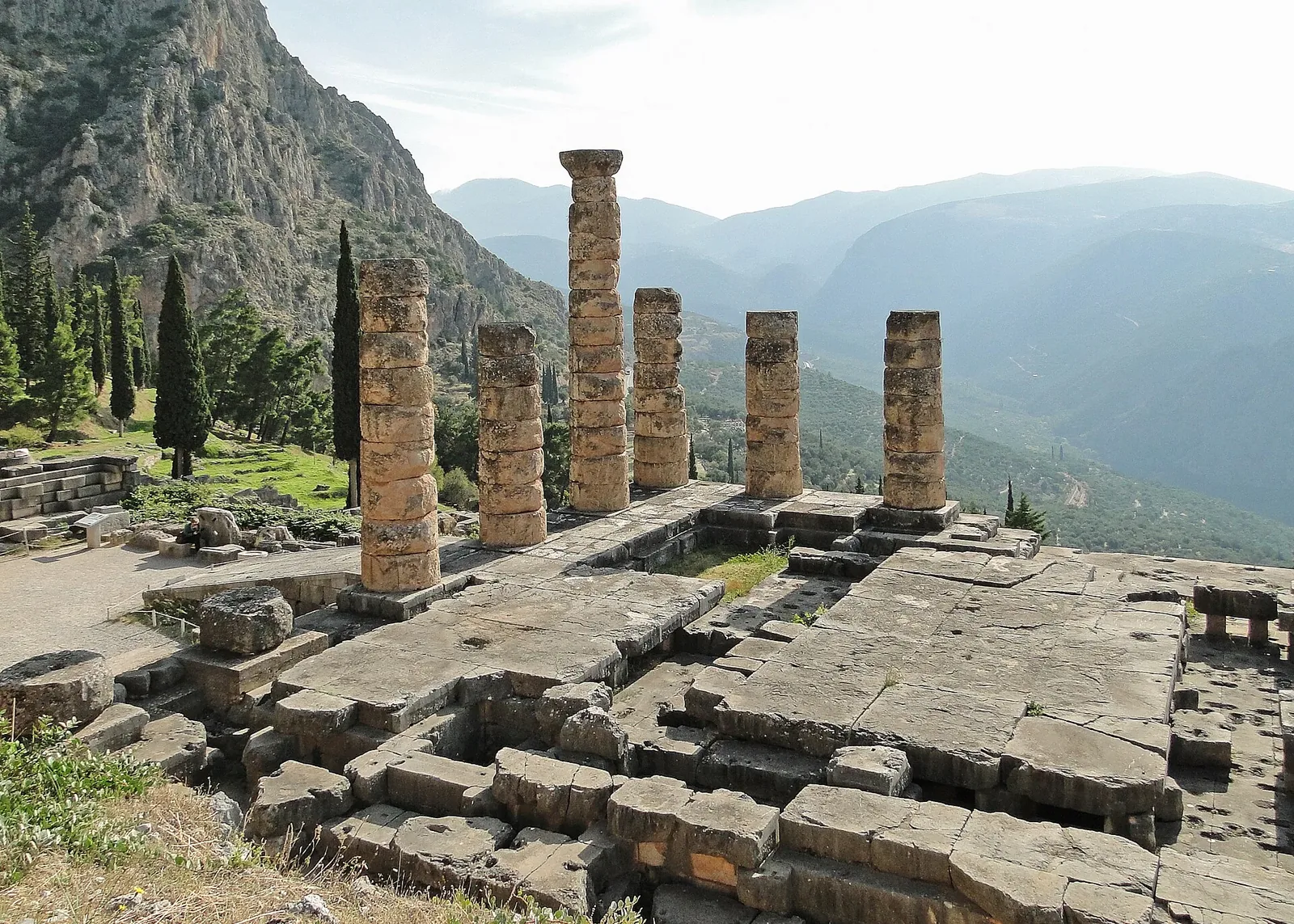
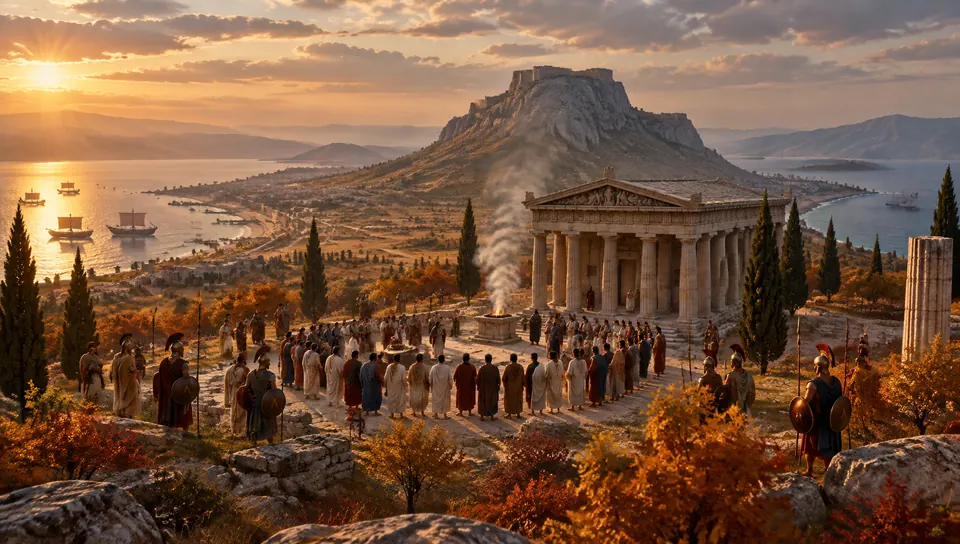 Seventy out of seven hundredWho joined the alliance at Corinth, who stayed home, and why. The victory monument at Delphi names just 31 cities.
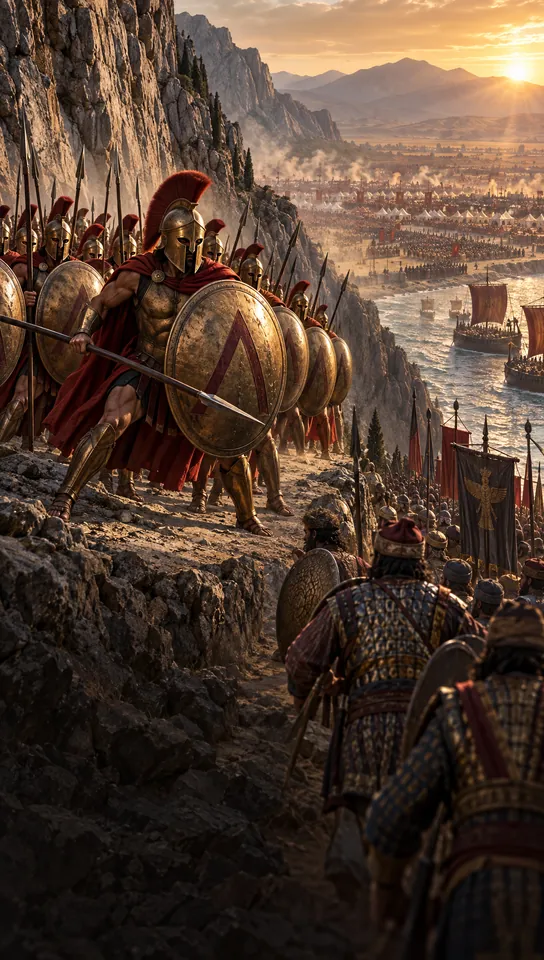 Thermopylae and ArtemisiumThree days at the Hot Gates, and the fleet beside it.
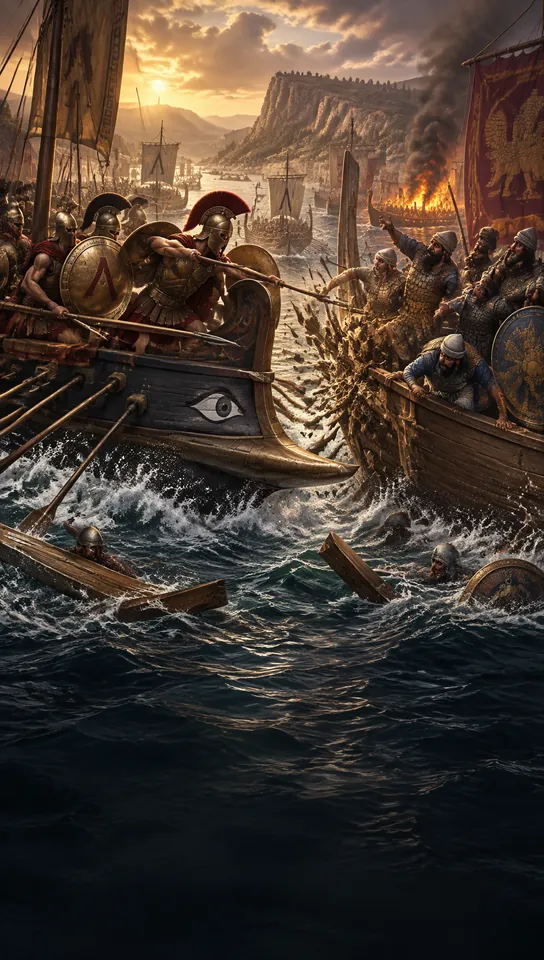 SalamisAthens abandoned, the Acropolis burned, the fleet’s gamble.
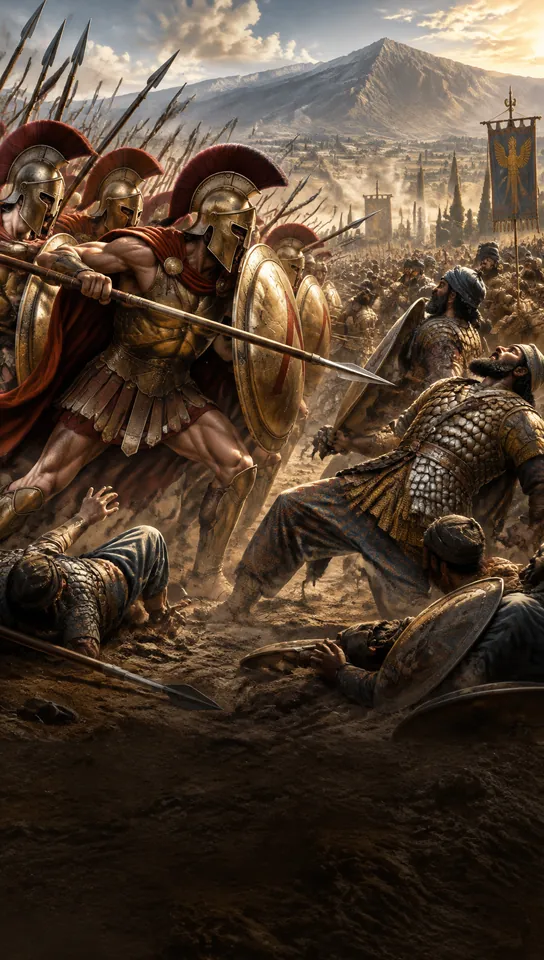 Plataea and MycaleLeonidas avenged: the end of the invasion.
Part IV: The Greek counterattack
479–449 BCThe Greeks carry the war to the Persian side of the Aegean. Athens leads the Delian League, founded in 478/477 BC. The fighting fades out around 450 BC; a formal Peace of Callias is reported by some ancient writers, but historians dispute it.
The Delian LeagueHow a wartime alliance became an Athenian empire.The EurymedonA double victory on land and sea in Asia Minor.The Peace of CalliasThe peace that may never have been signed.What survives
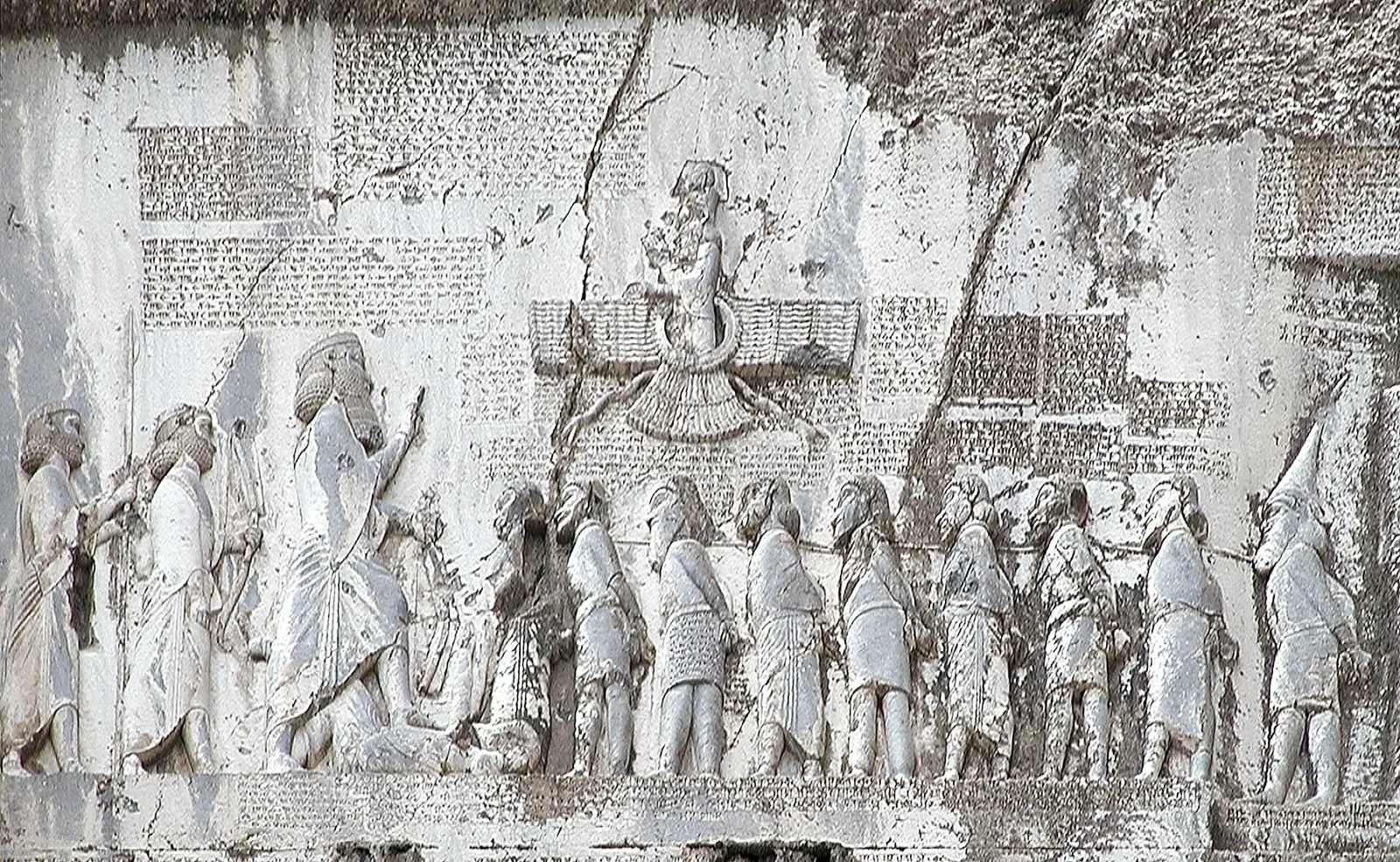
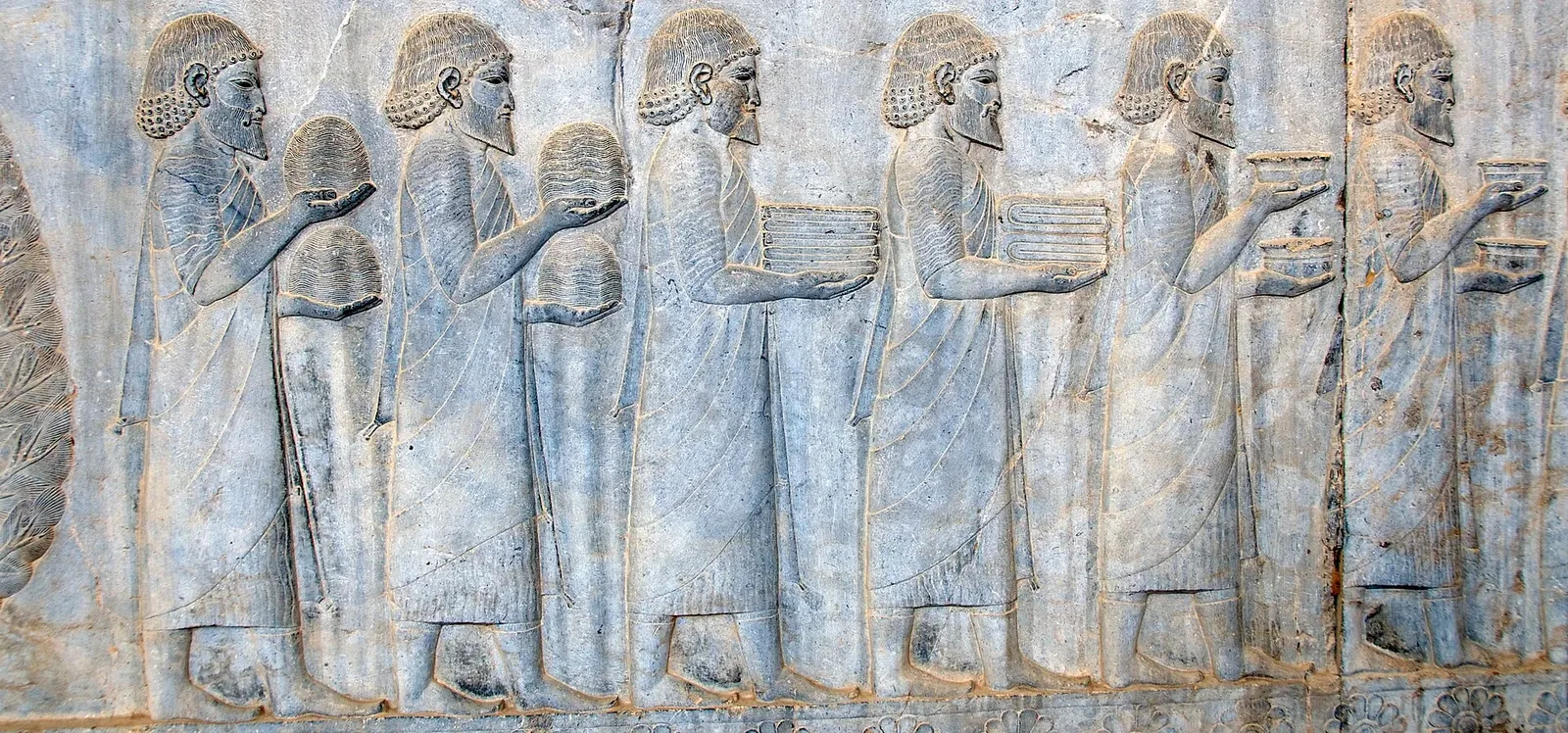
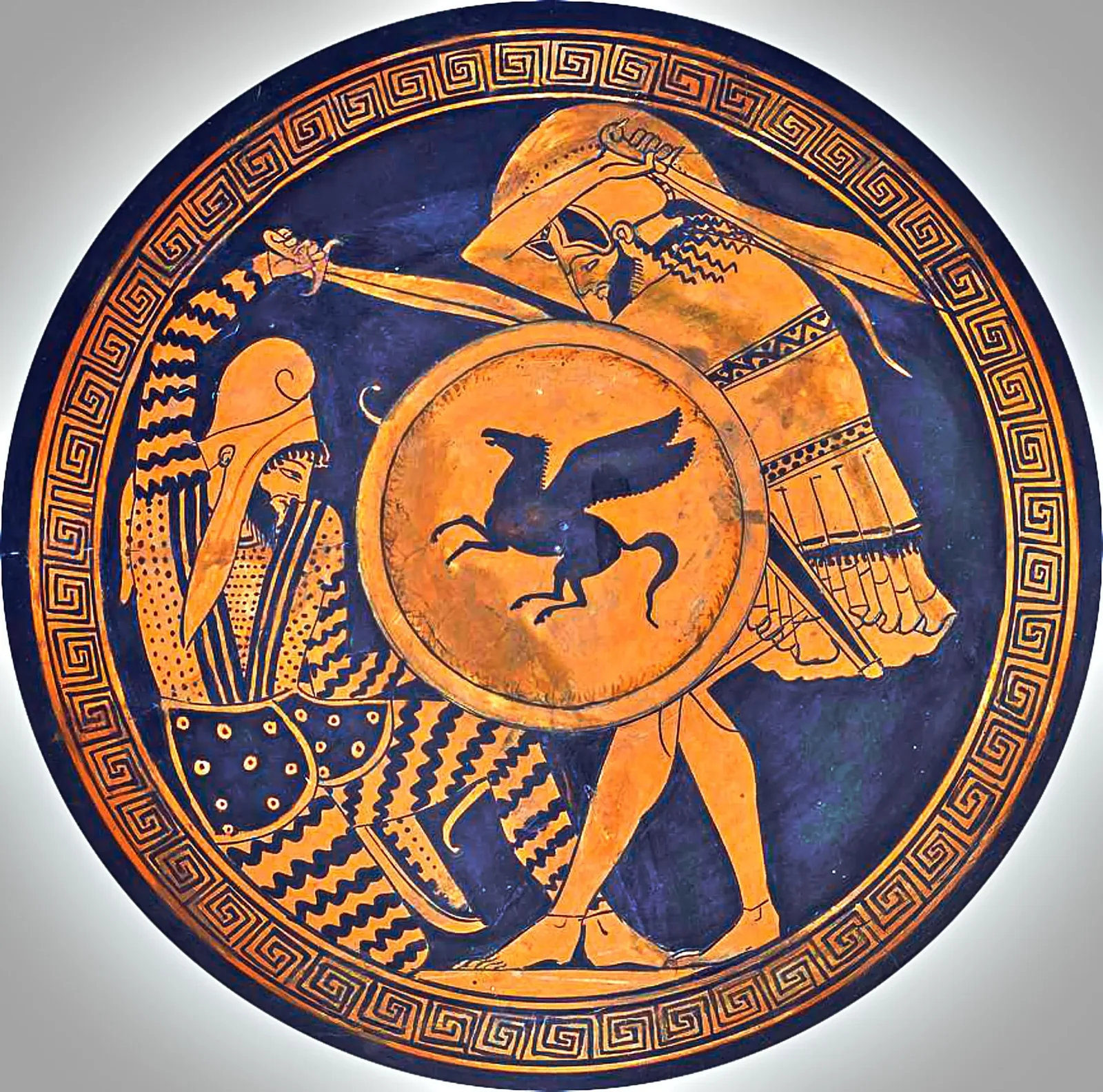
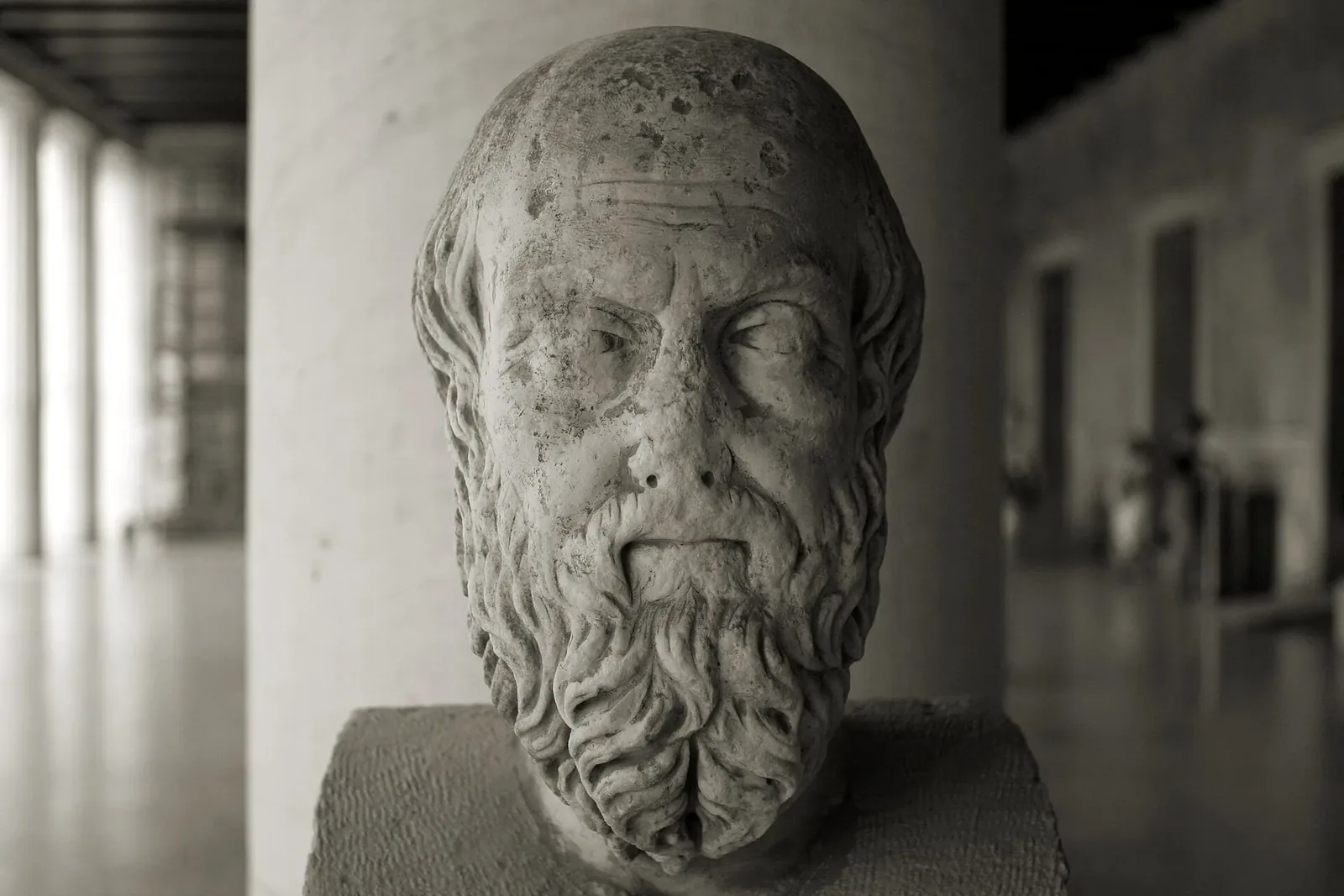
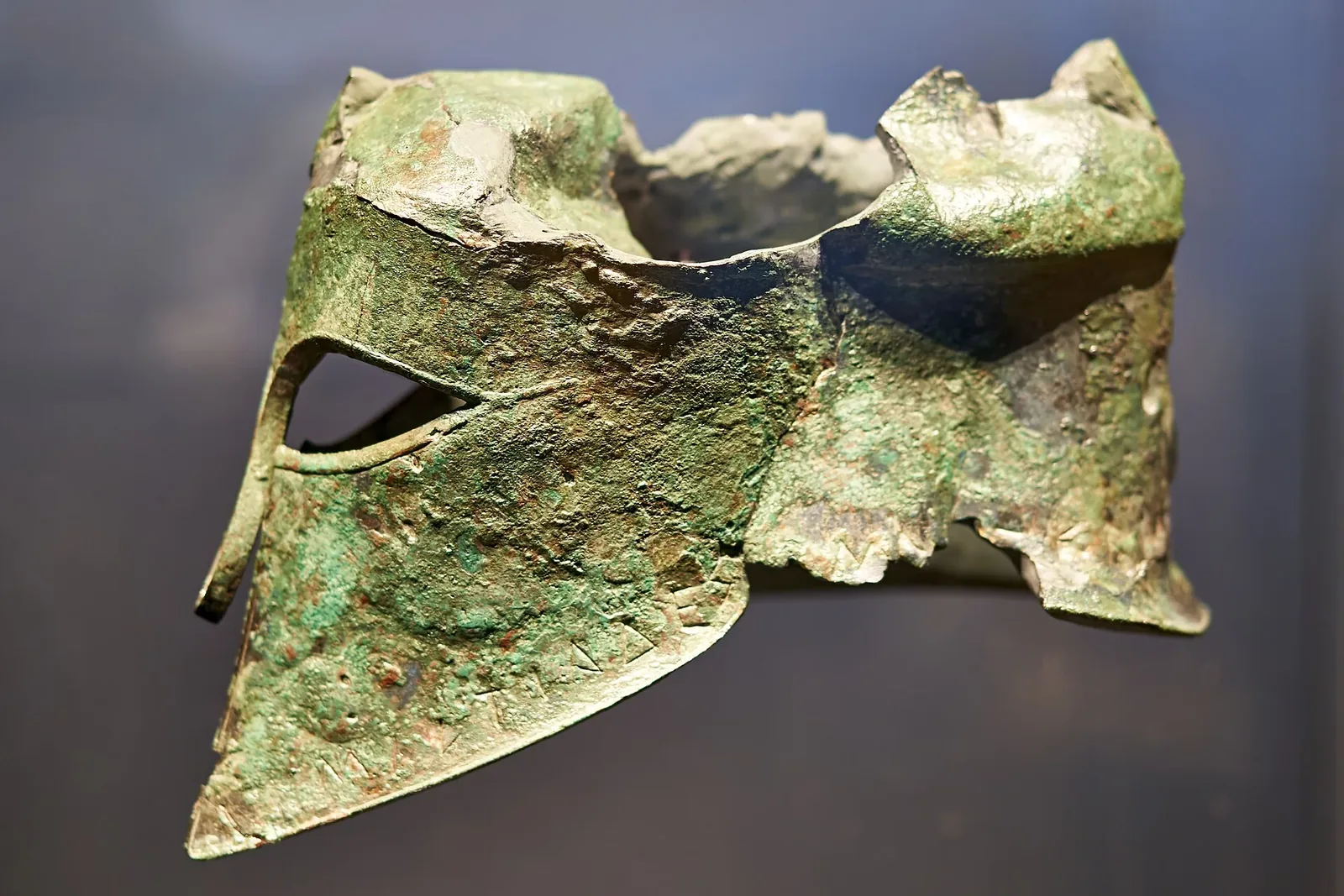
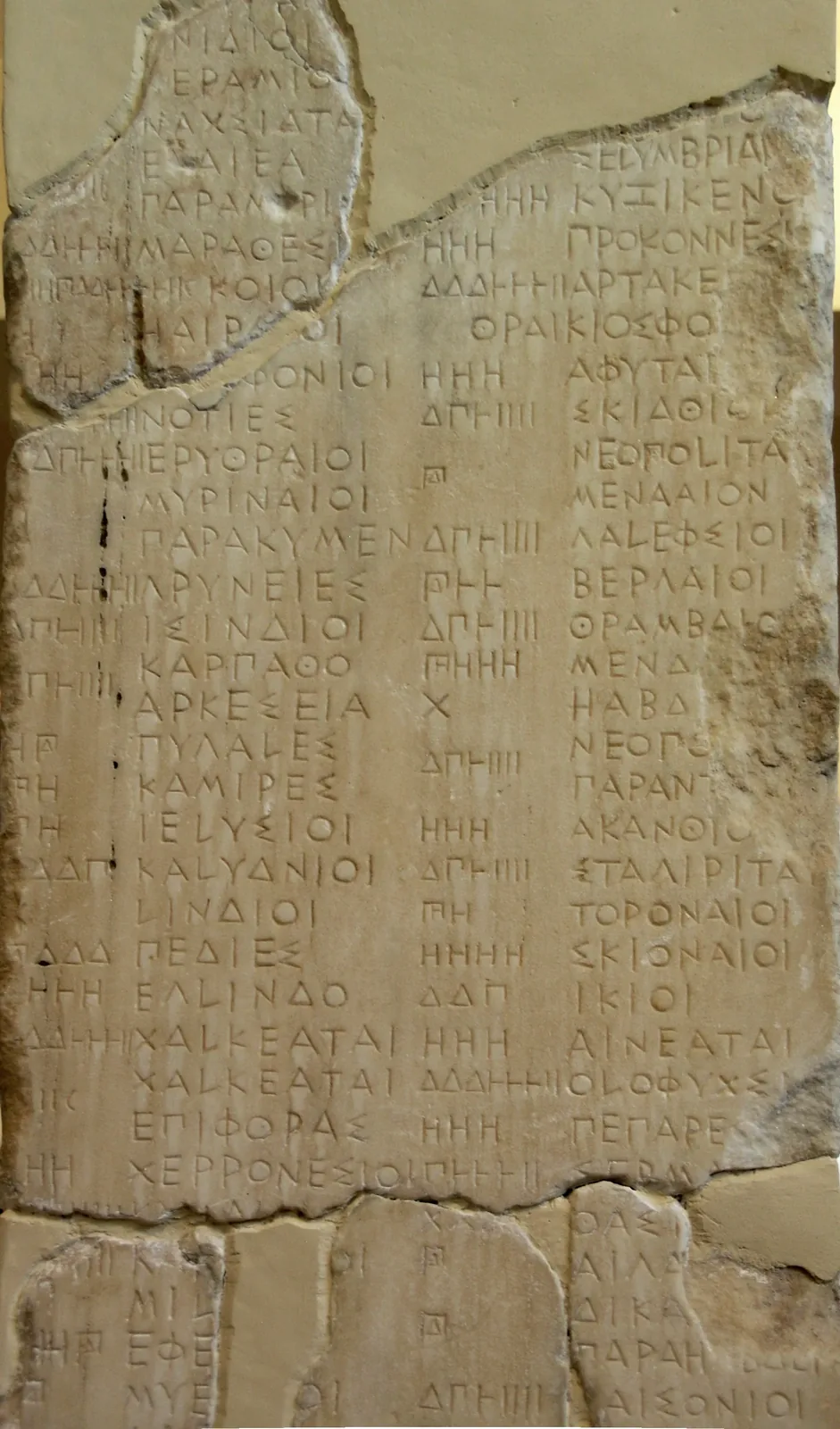
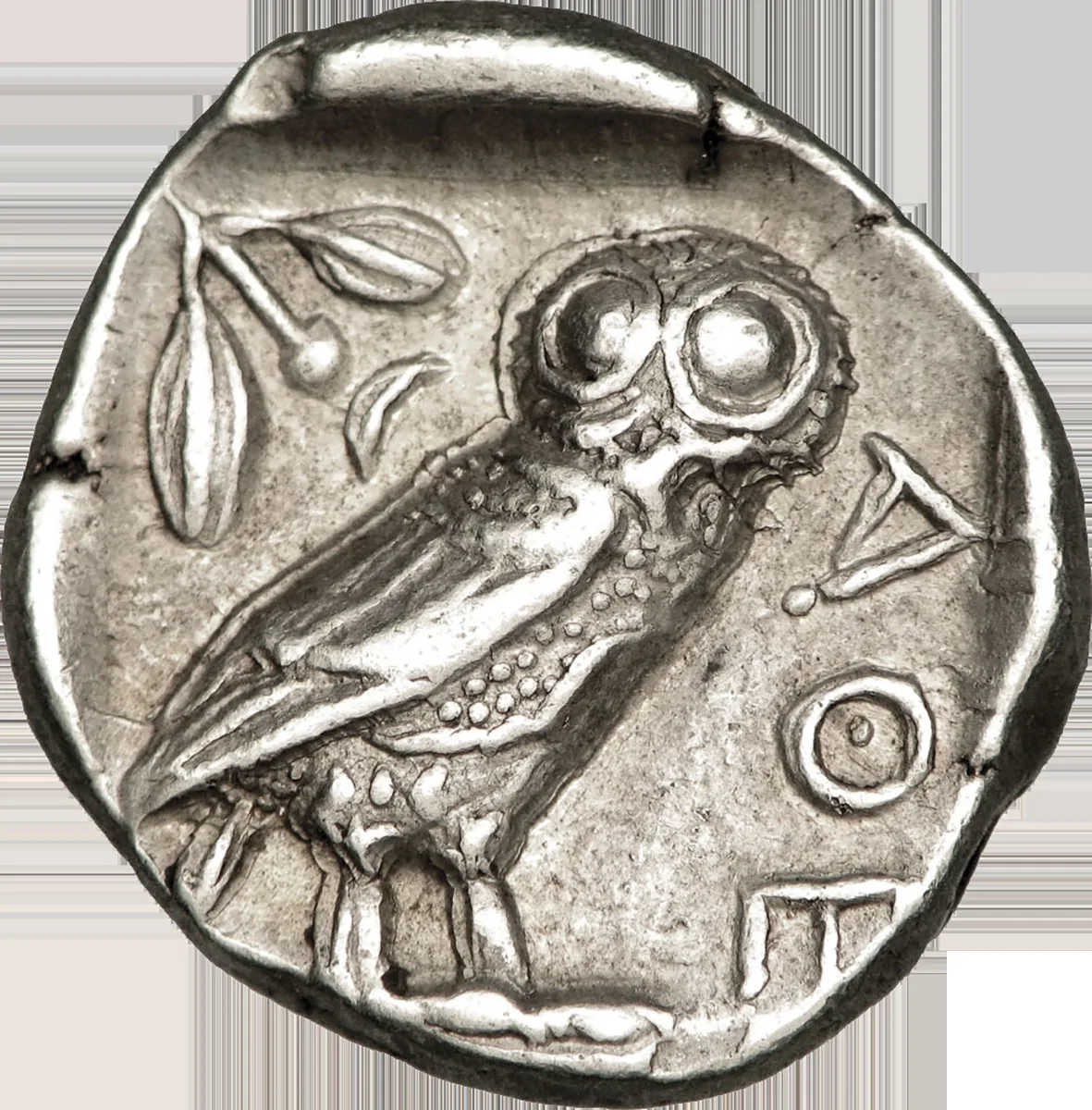
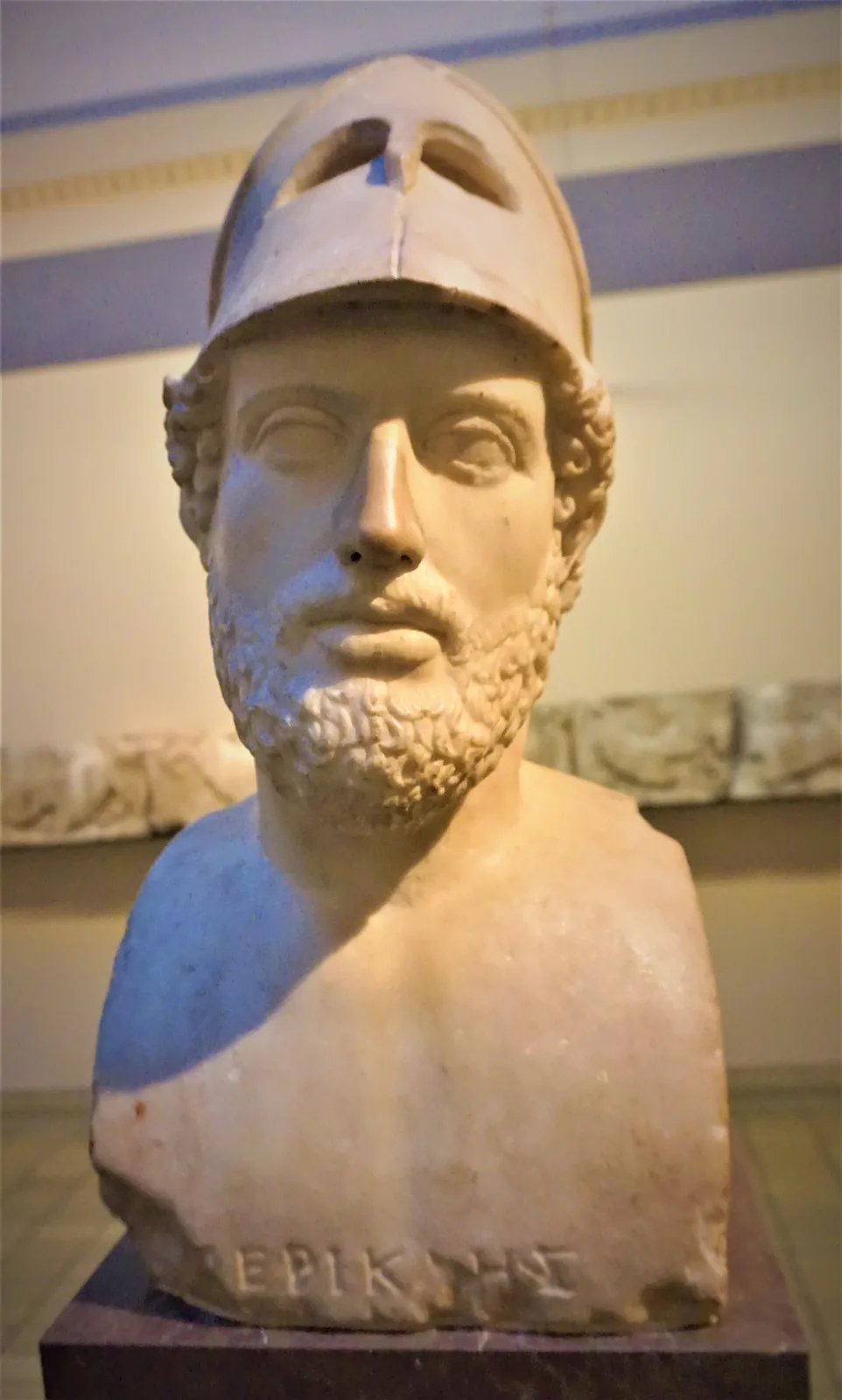
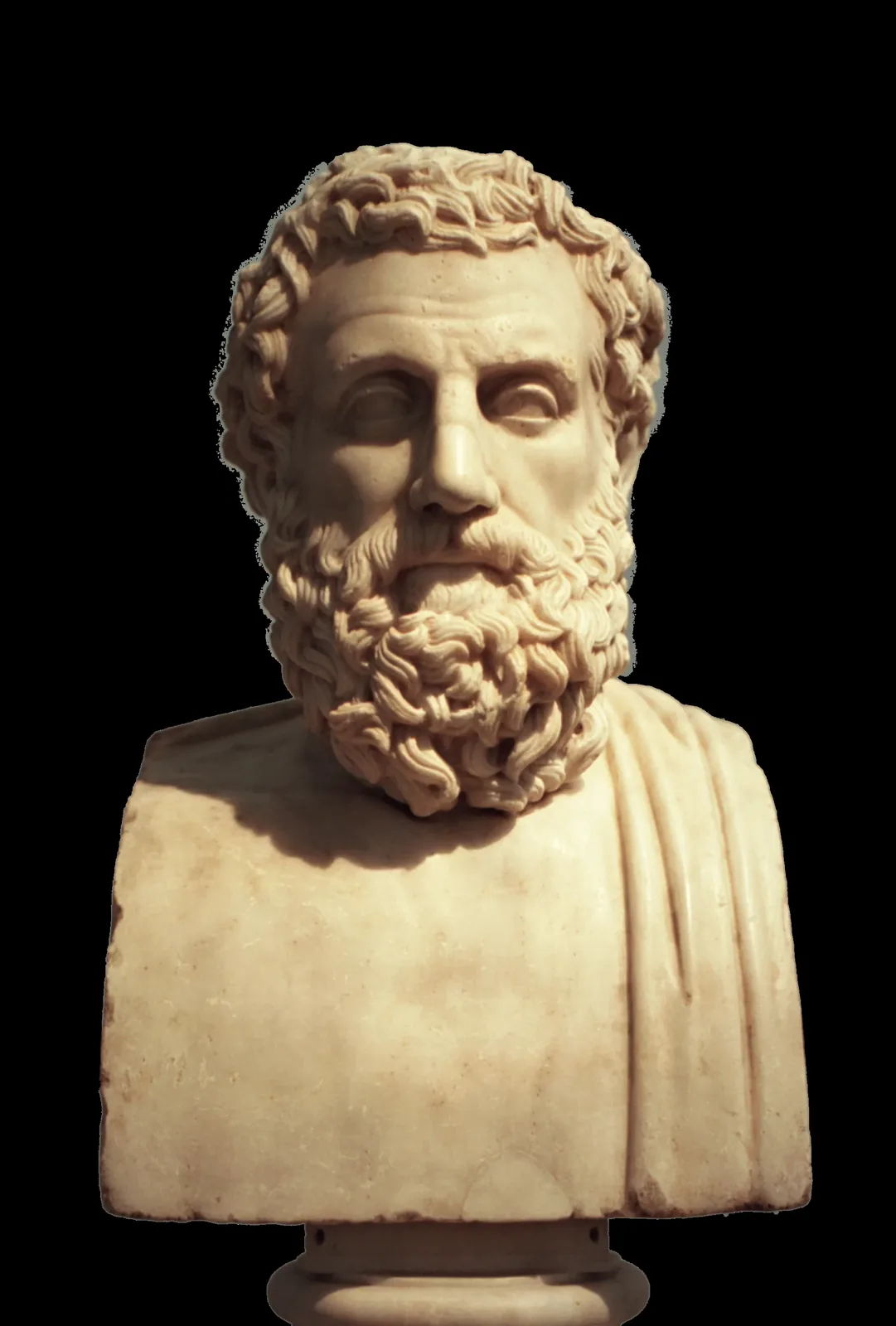
REAL OBJECTS AND PLACESObjects, inscriptions and places from the time of the wars, in museums and on the ground today. Click a picture to see it larger.
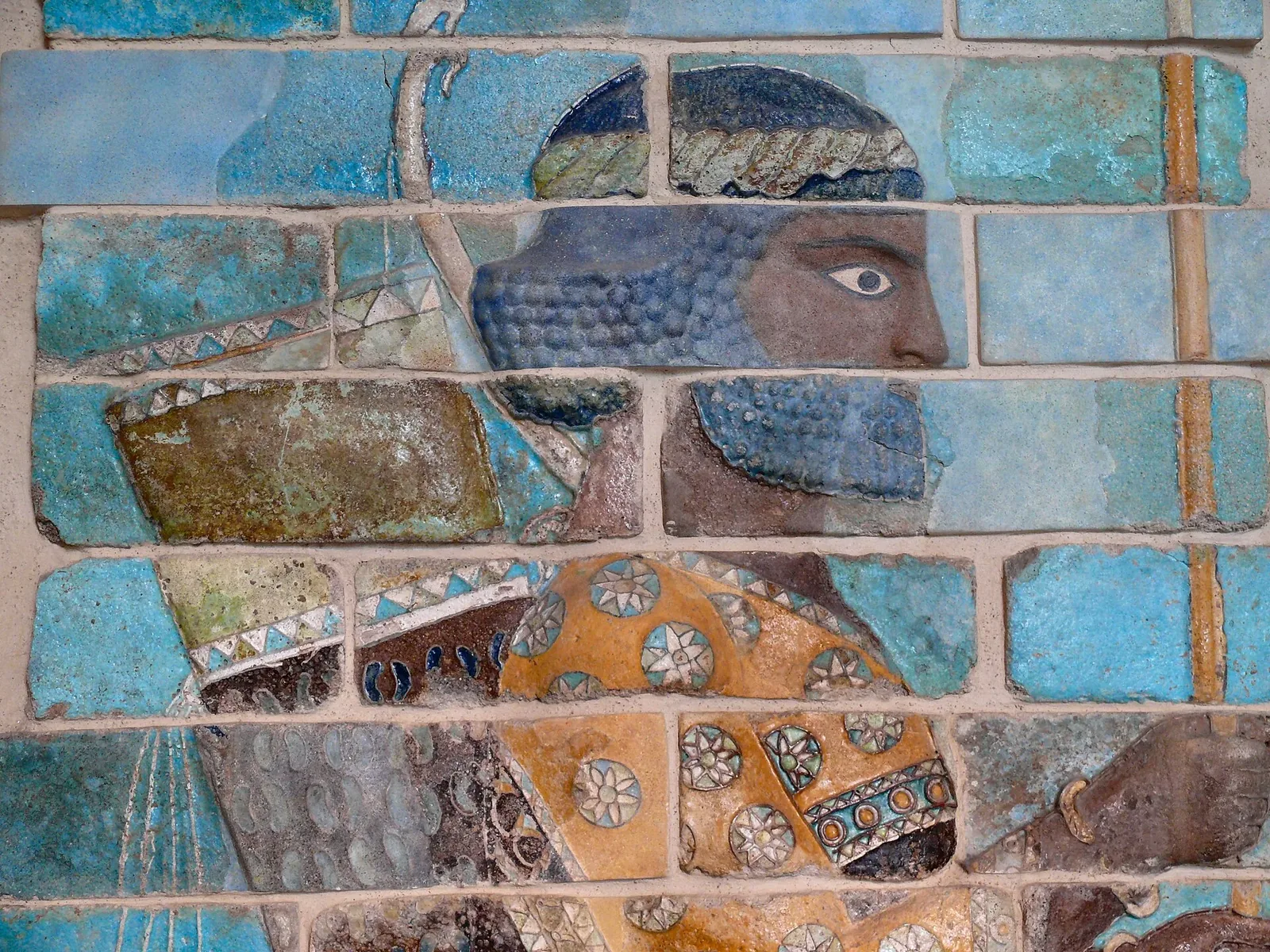
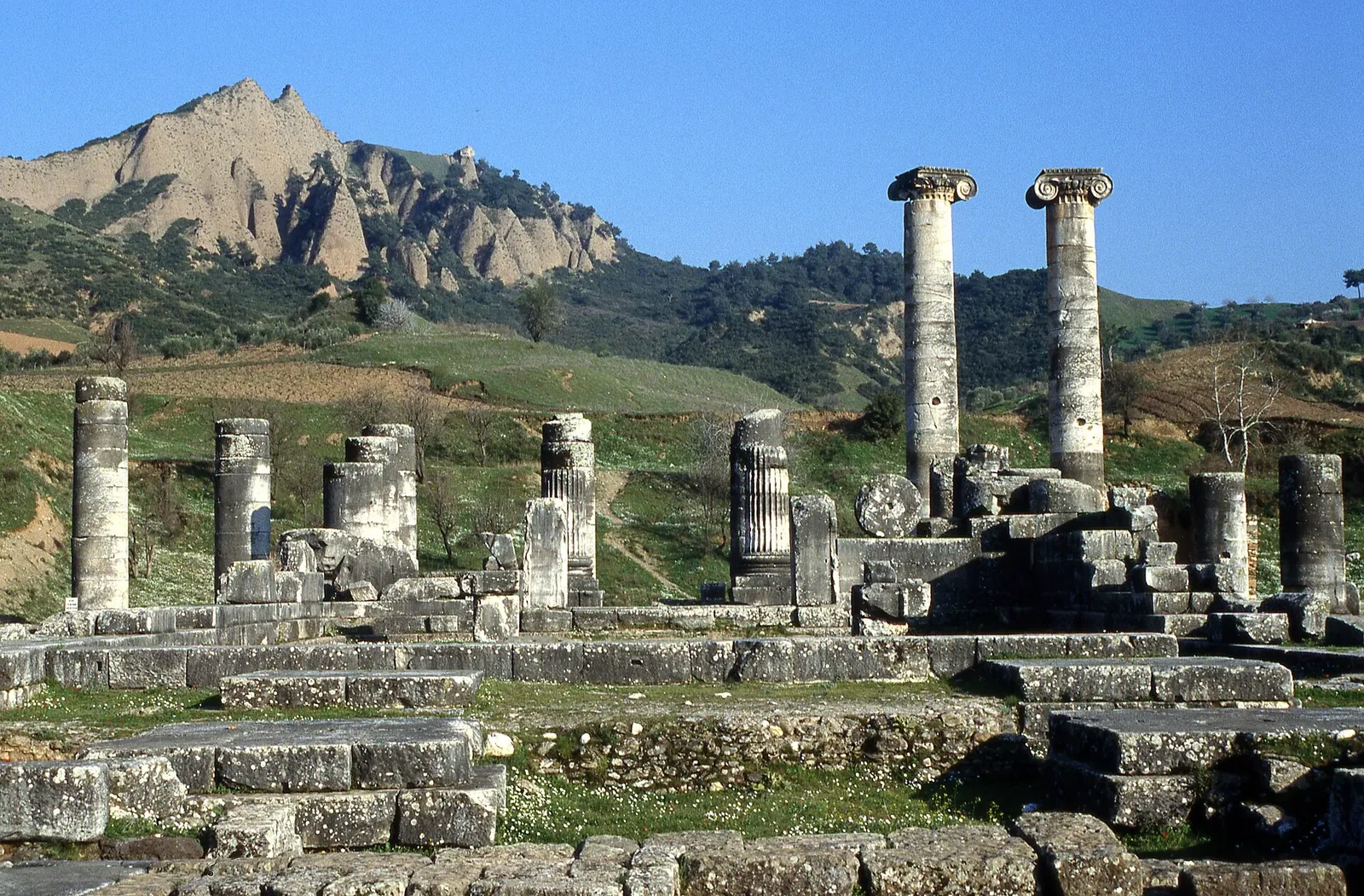
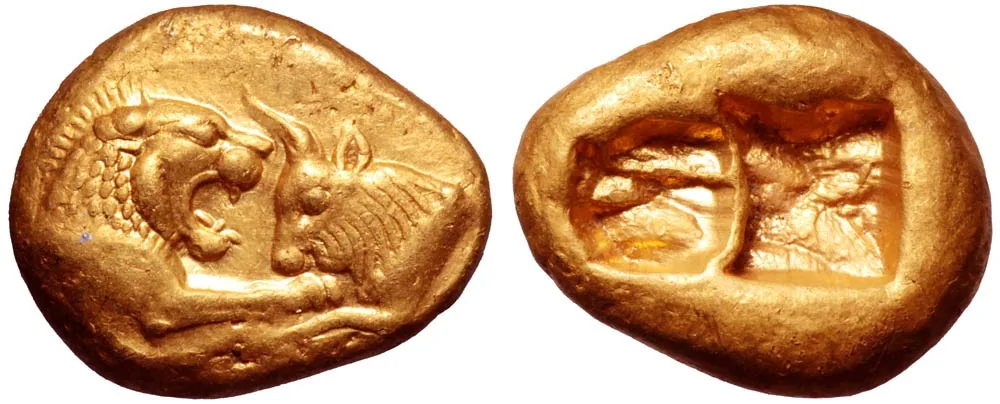
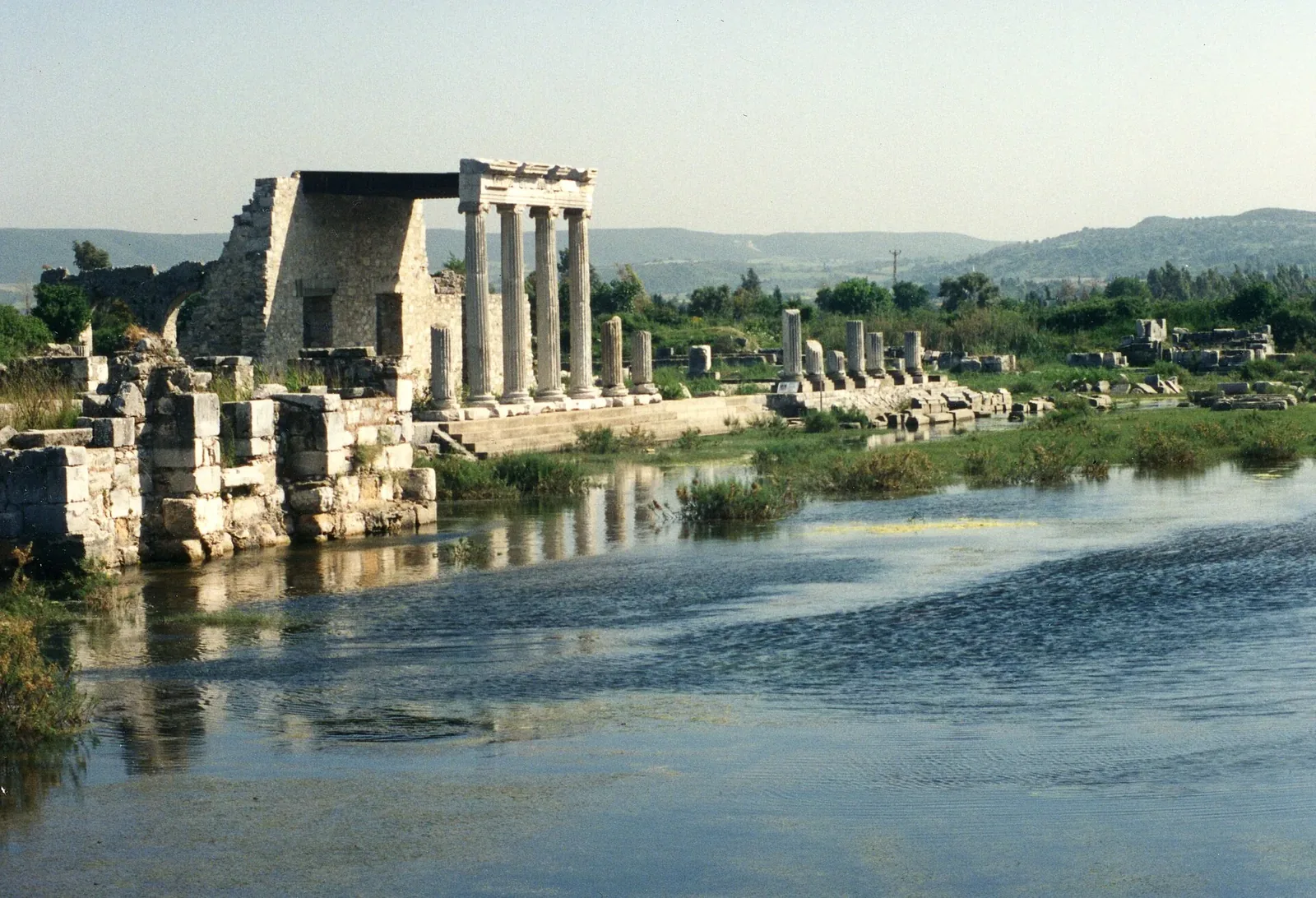
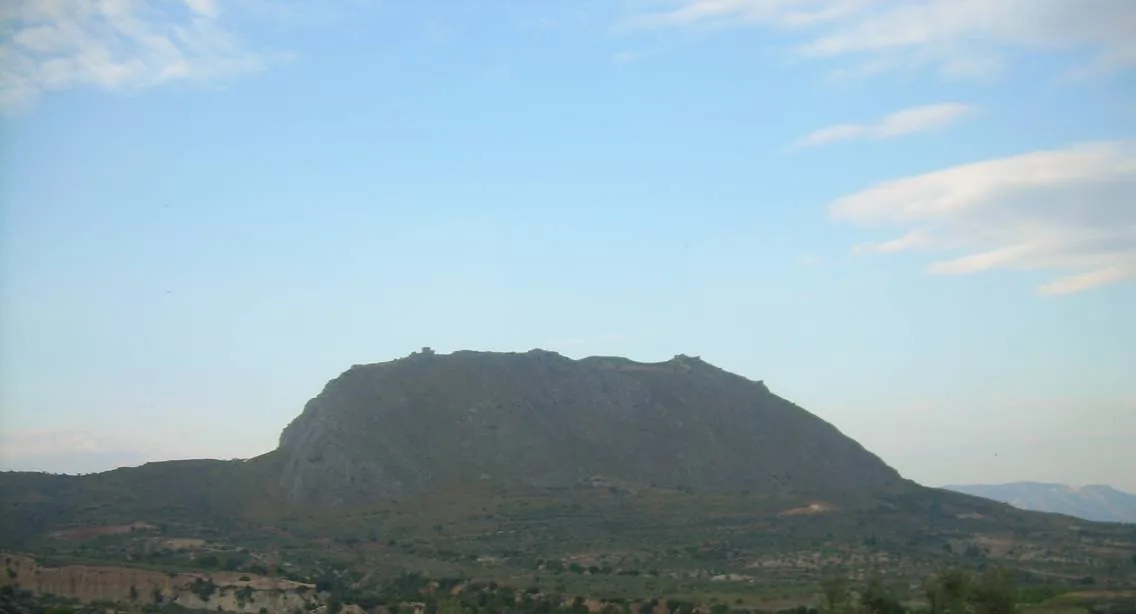
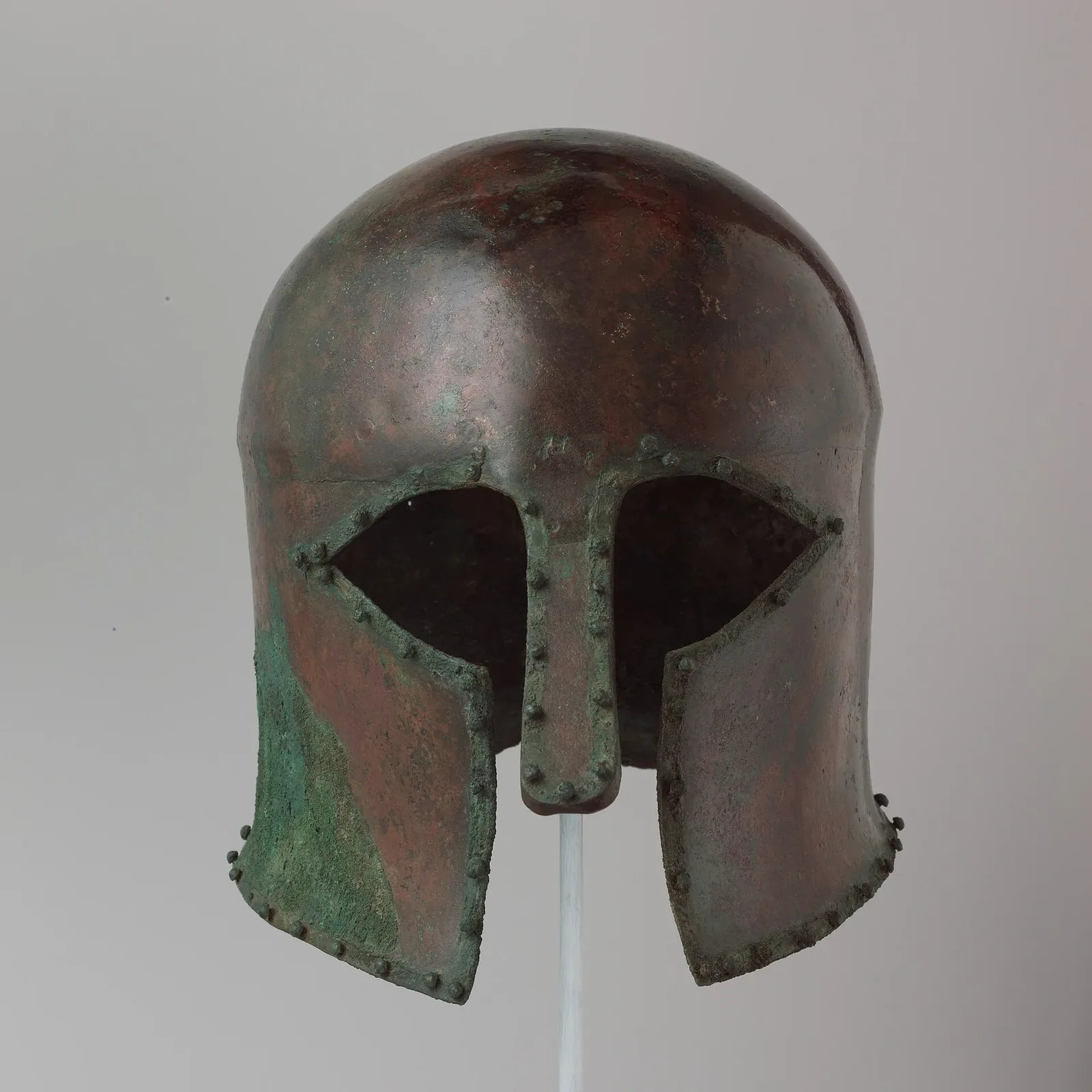
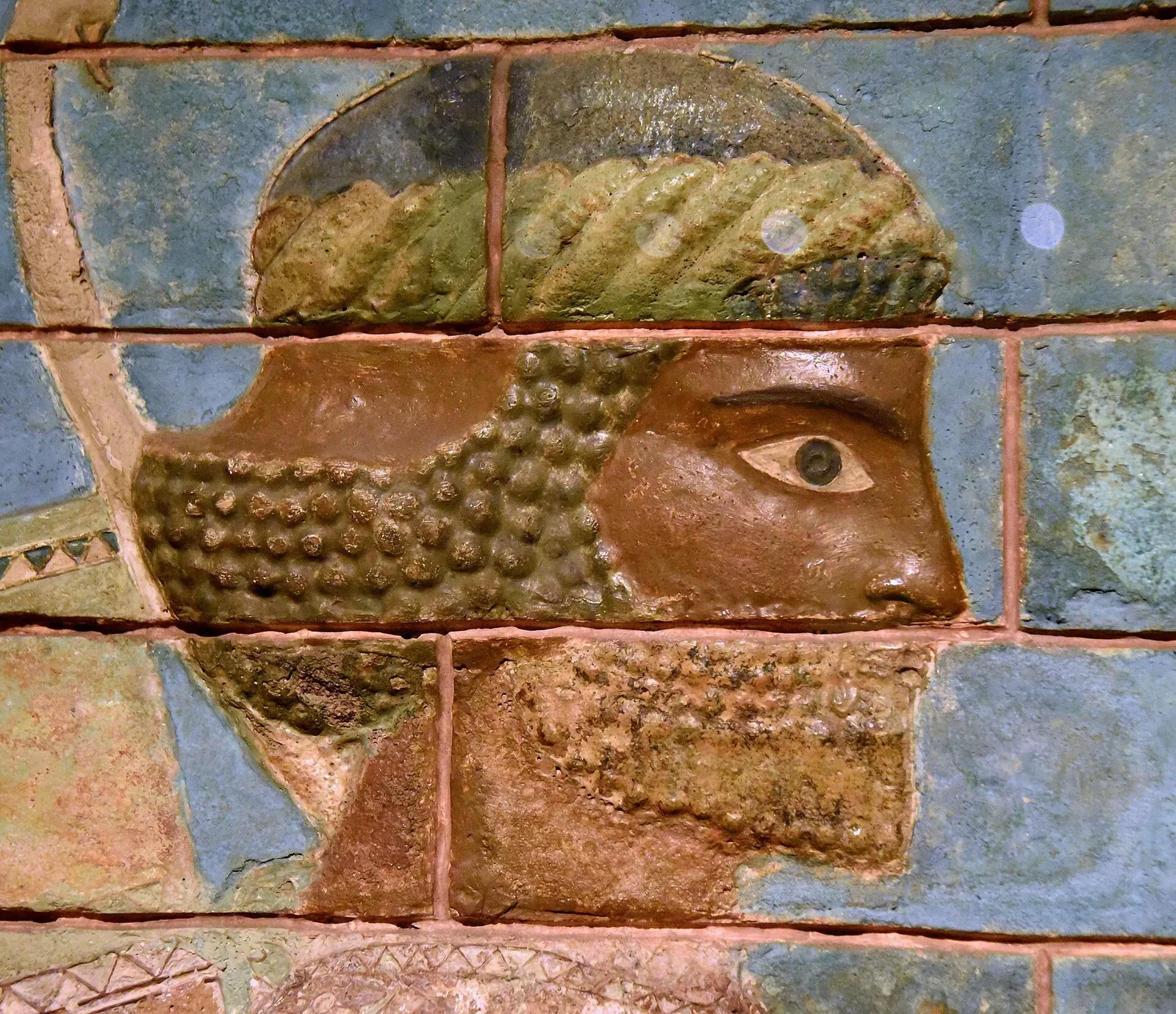
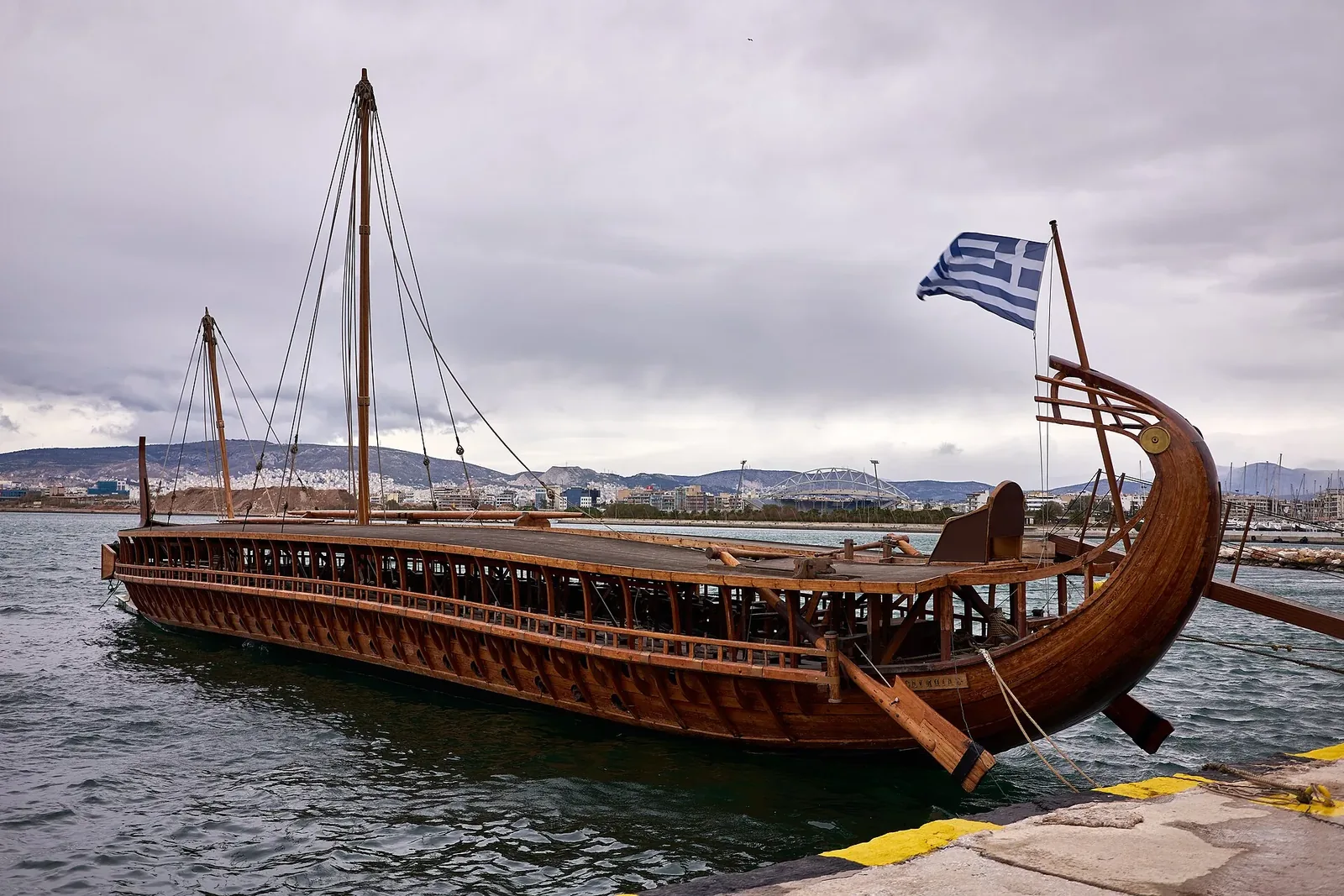
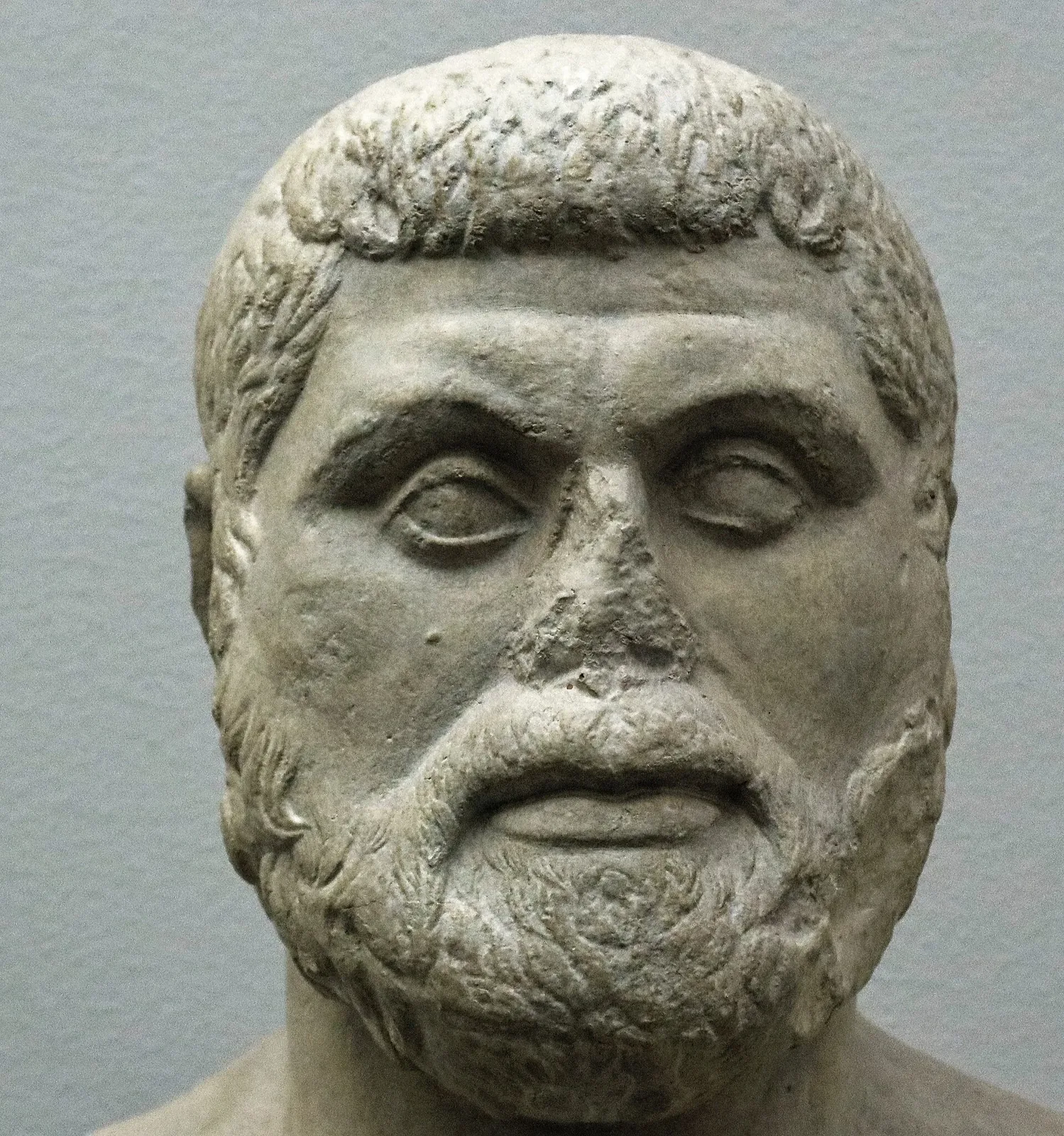
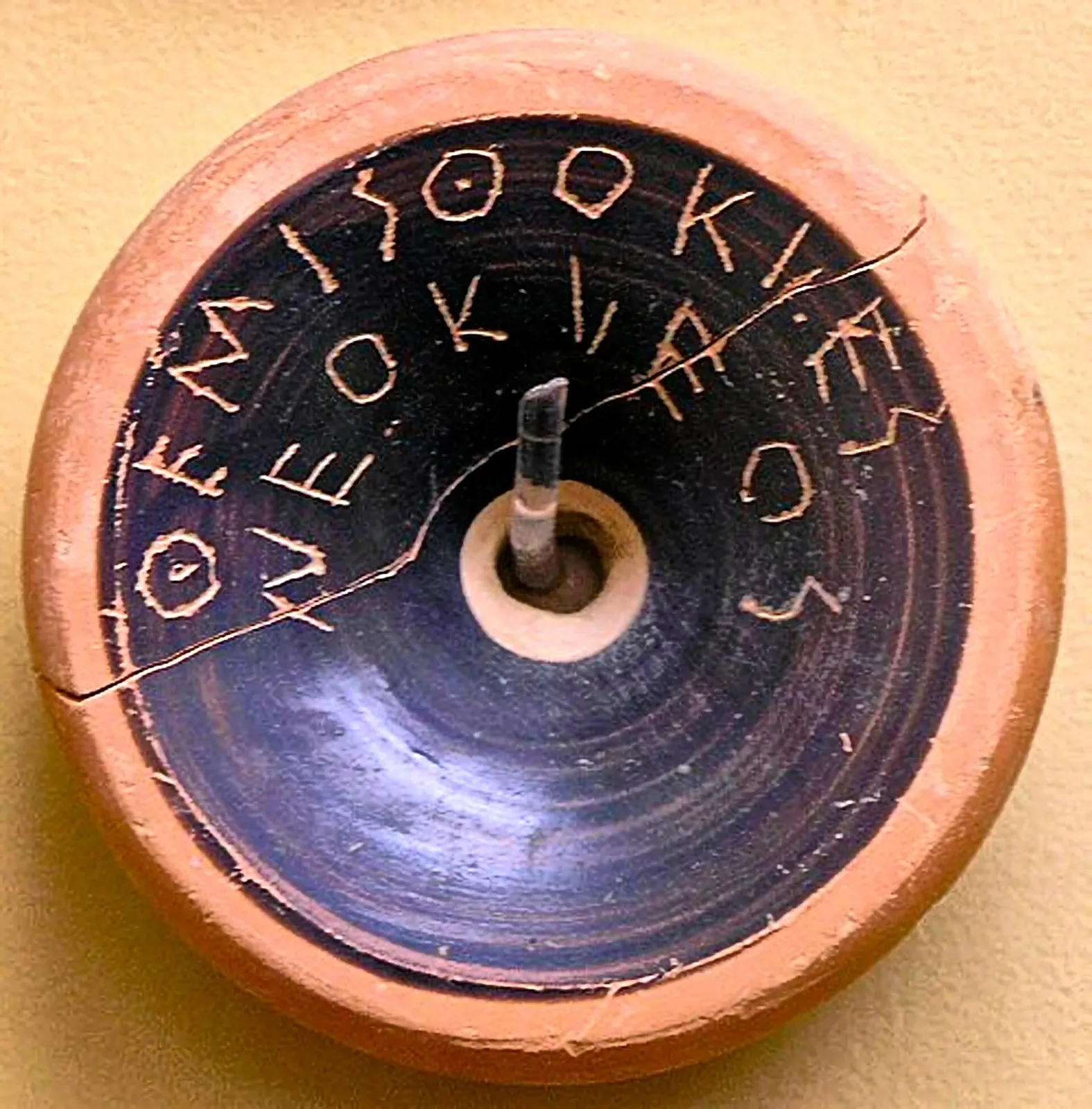
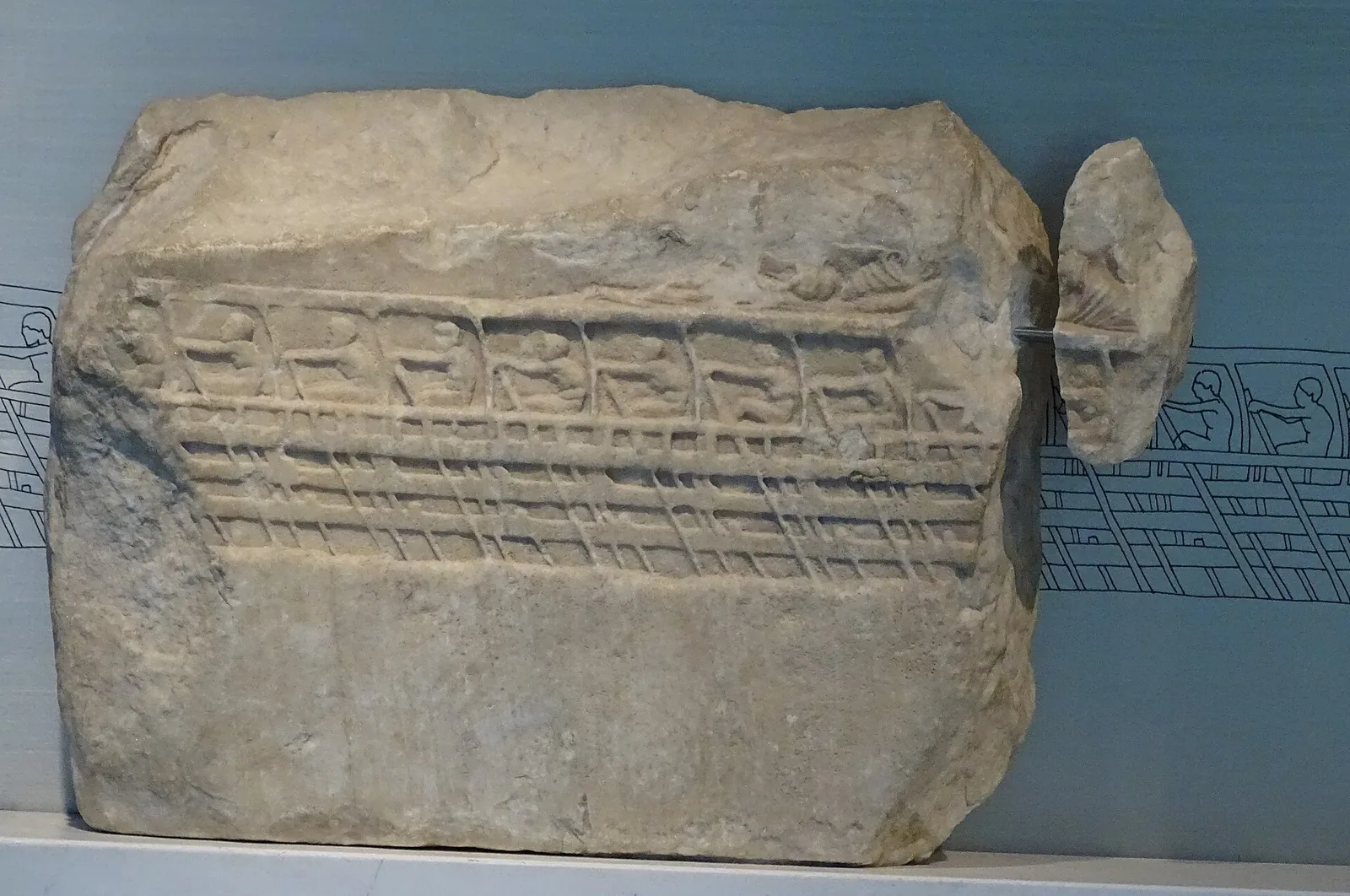
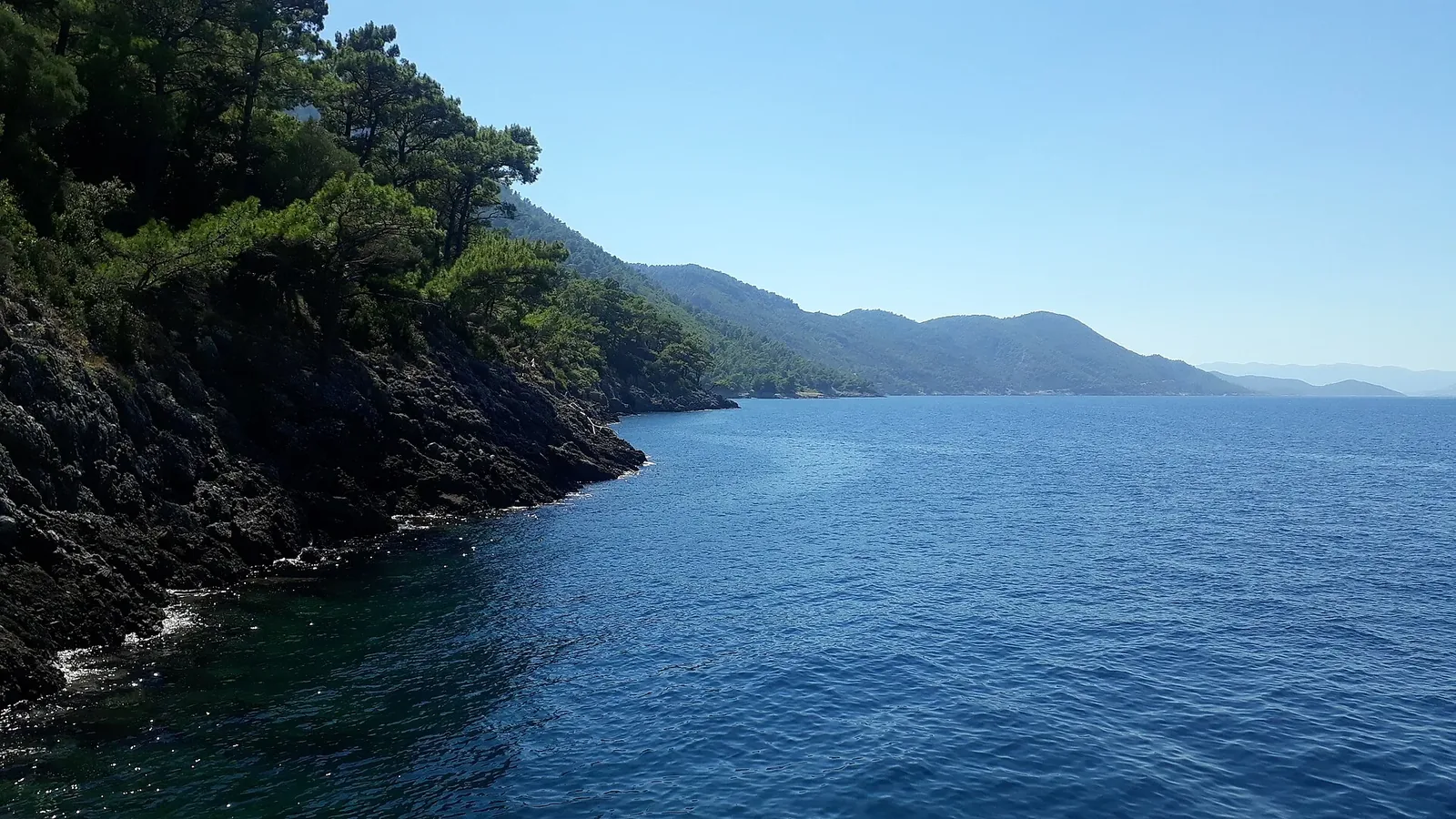
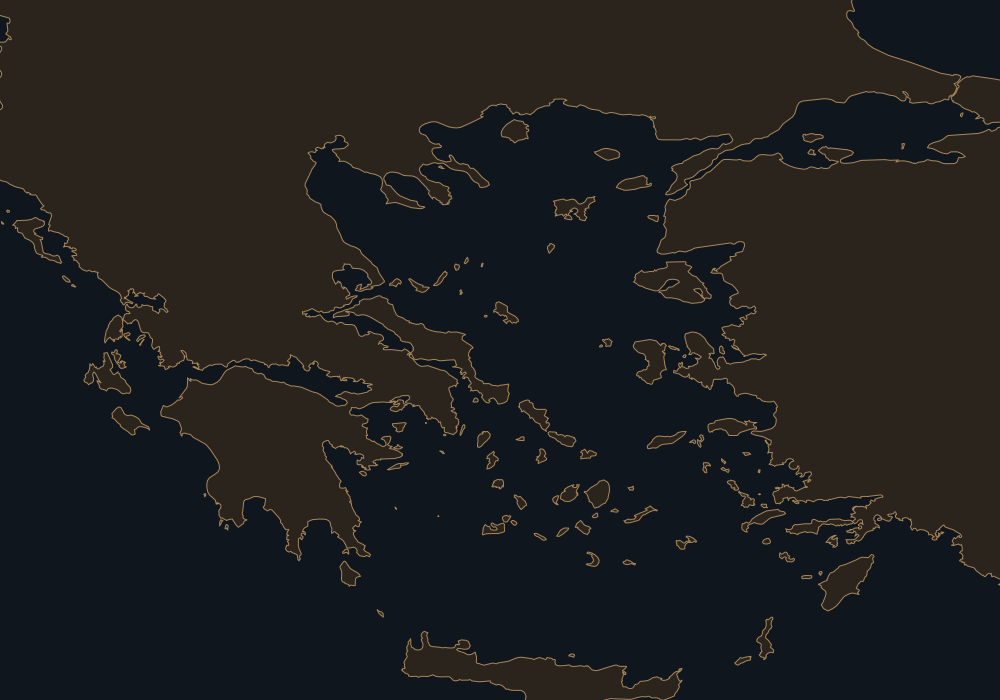
Where the Persian Wars were fought
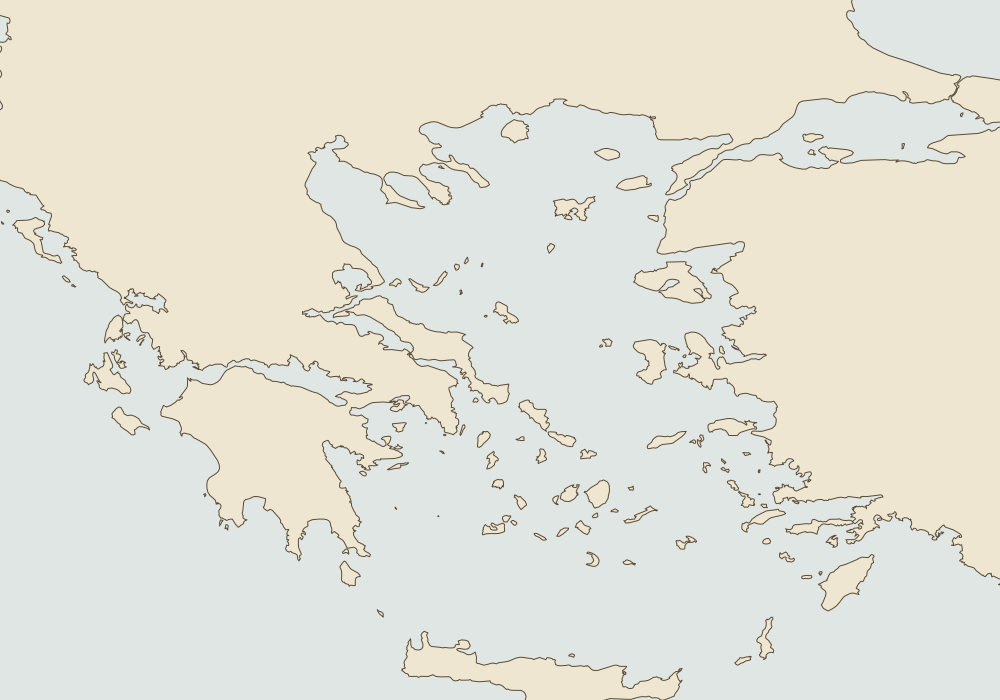
How did Persia see these wars?
Almost everything we know comes from Greek writers, above all Herodotus. No Persian account of the wars survives. For Darius and Xerxes, Greece was a small frontier on the western edge of an empire that reached from Egypt to India: a matter of punishing Athens and Eretria for helping the Ionian revolt and burning Sardis.
Read the Persian perspective on ThermopylaeThe Persian Wars in song
Each song tells one part of the story in about three minutes, with its facts checked against the sources. It plays at the top of its chapter.
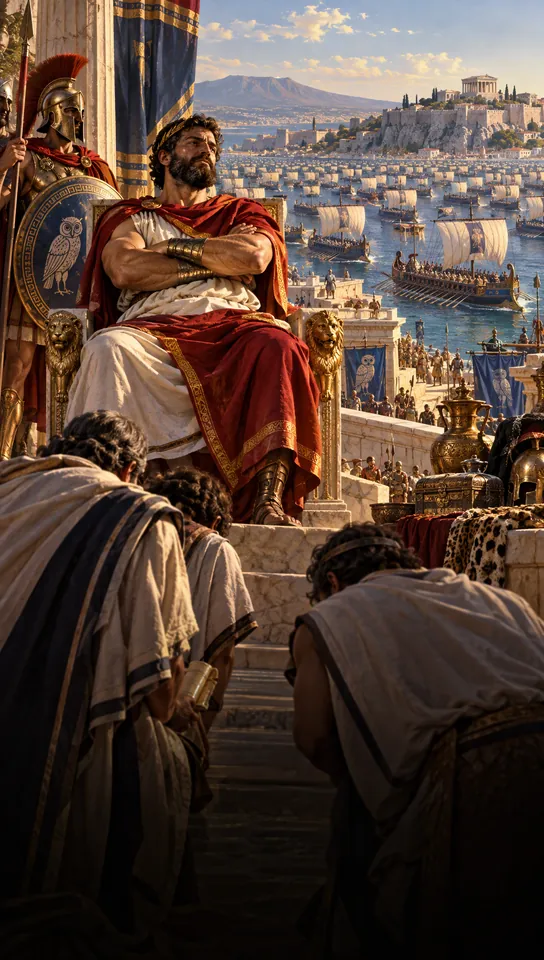 Coming soon♪ SongCHAPTER 5Seventy out of seven hundred
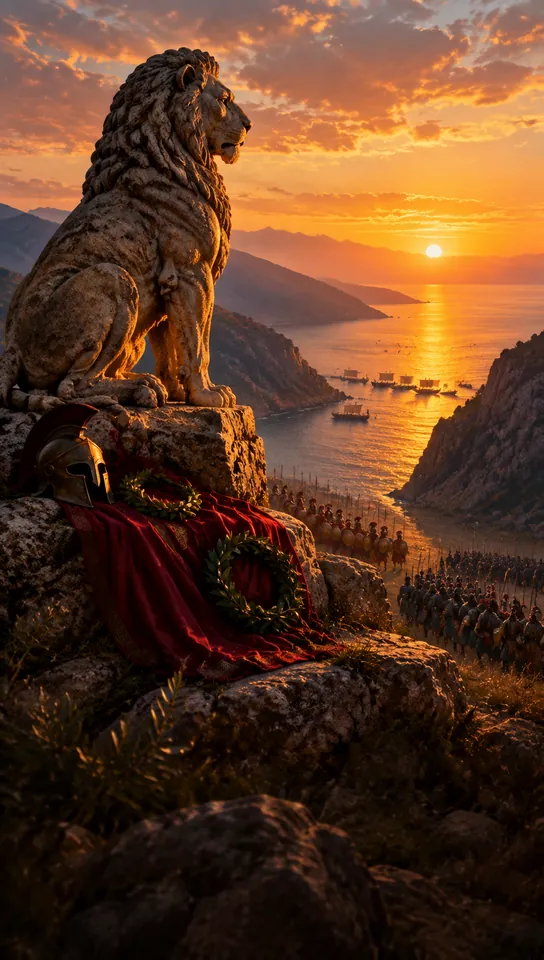 Coming soon♪ SongQUESTIONHot Gates (Thermo-Pylae)Coming soon♪ SongCHAPTERS 7–8Leonidas avenged