
The History of Europe
The whole history of Europe at the level of a good school history book: the turning points, wars, ideas and people, from the Greek city-states around 500 BC to today. Every chapter looks at four things: politics and war, the economy, society and culture, and religion. Each chapter also gets its own video.
Two parts, 2,500 years
Part 1 runs from the Greek city-states to the fall of Constantinople, Part 2 from the voyages of discovery to today. Pick a part to see its chapters.
Part 1: From Athens to Constantinople
c. 500 BC – AD 1500From the Greek city-states and Alexander through the Roman Republic and Empire, the fall of the West, Byzantium, Islam and the Franks, the Vikings, the Crusades and the Black Death, to the fall of Constantinople in 1453 and the Renaissance.
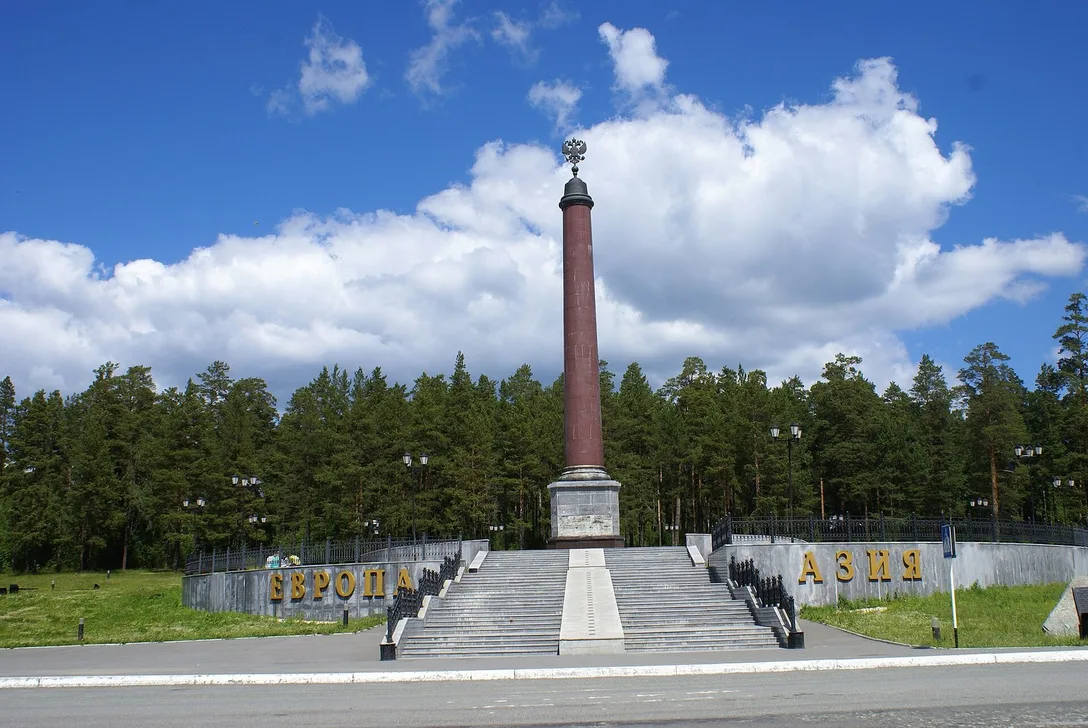
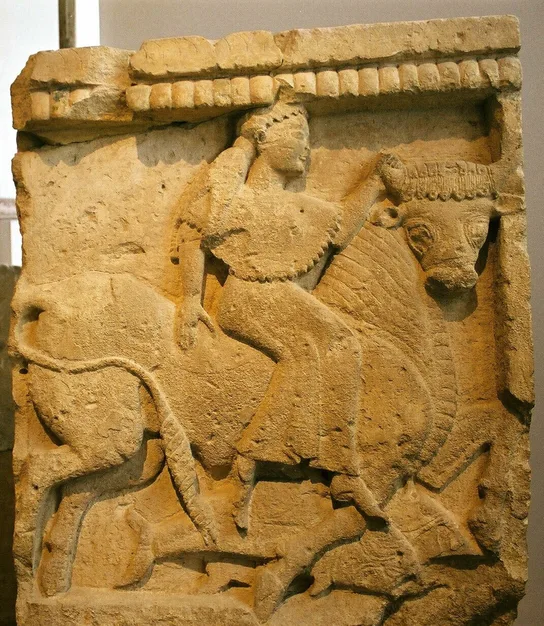 The Beginning of EuropeWhere Europe ends, where its name comes from, and who lived where around 500 BC.
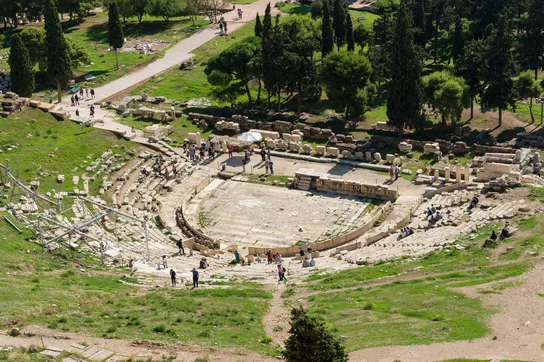 Classical GreeceCity-states, democracy in Athens, Sparta, the Persian Wars, the Peloponnesian War and philosophy.
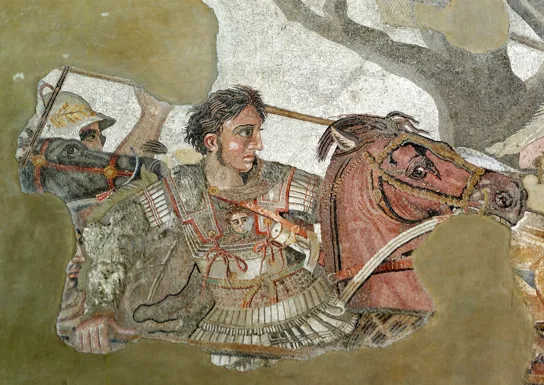 Alexander the GreatIn eleven years a Macedonian king takes the Persian Empire; his generals split it into Greek kingdoms.
 The Roman RepublicConsuls and senate, the conquest of Italy, Hannibal and Carthage, Caesar and the end of the Republic.The Roman EmpireAugustus, the Pax Romana, the empire at its height and the rise of Christianity.The fall of the Western Roman EmpireCrisis, Constantine, the Goths, Attila and the last emperor in the West.Byzantium, Islam and the FranksJustinian, the Arab conquests, Charlemagne and the early Middle Ages.Vikings and new kingdomsRaids and settlers, Alfred, Otto I and the conversion of the North and East.Church, castles and Crusades1066, Pope against emperor, the Crusades, Magna Carta, towns and universities.Black Death and the Hundred Years’ WarFamine, plague, peasant revolts, Joan of Arc and a divided Church.The Ottomans take ConstantinopleThe rise of the Ottomans and the end of Byzantium.The Renaissance at the doorThe printing press, Florence and the Medici, and Europe in 1492.
Part 2: From the voyages to today
1492 – todayFrom the voyages of discovery and the Reformation through absolute kings, the Enlightenment, the French Revolution and the Industrial Revolution to the two world wars, the Cold War and the European Union.
Renaissance and the Age of ExplorationColumbus, Vasco da Gama, the conquest of the Americas and the art of the Renaissance.Reformation and wars of religionLuther, Calvin, the Dutch Revolt, the Thirty Years’ War and the Peace of Westphalia.The Ottoman Empire at its heightSuleiman, Vienna and the Mediterranean.Kings, parliaments and scienceLouis XIV, the English Civil War, 1688 and the Scientific Revolution.The EnlightenmentReason, rights and enlightened kings.The French Revolution and NapoleonFrom the Bastille to Waterloo.The Industrial RevolutionSteam, factories, railways and the working class.Nations and empiresNationalism, the unification of Italy and Germany, and empires overseas.The First World WarAlliances, the trenches and the end of four empires.Between the wars and the Second World WarDictators, the Holocaust and the war.The Cold War and the European UnionThe Iron Curtain, European unity and the fall of the Wall.Europe todayFrom EU enlargement to the war in Ukraine.What survives
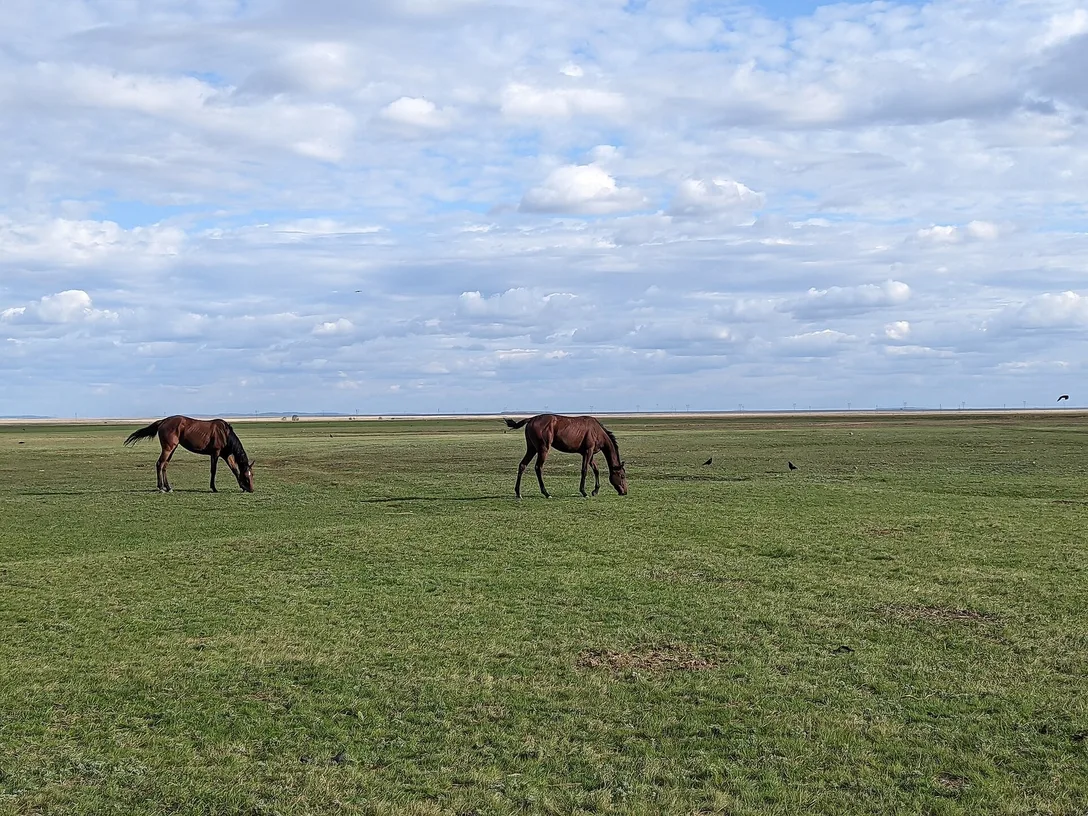
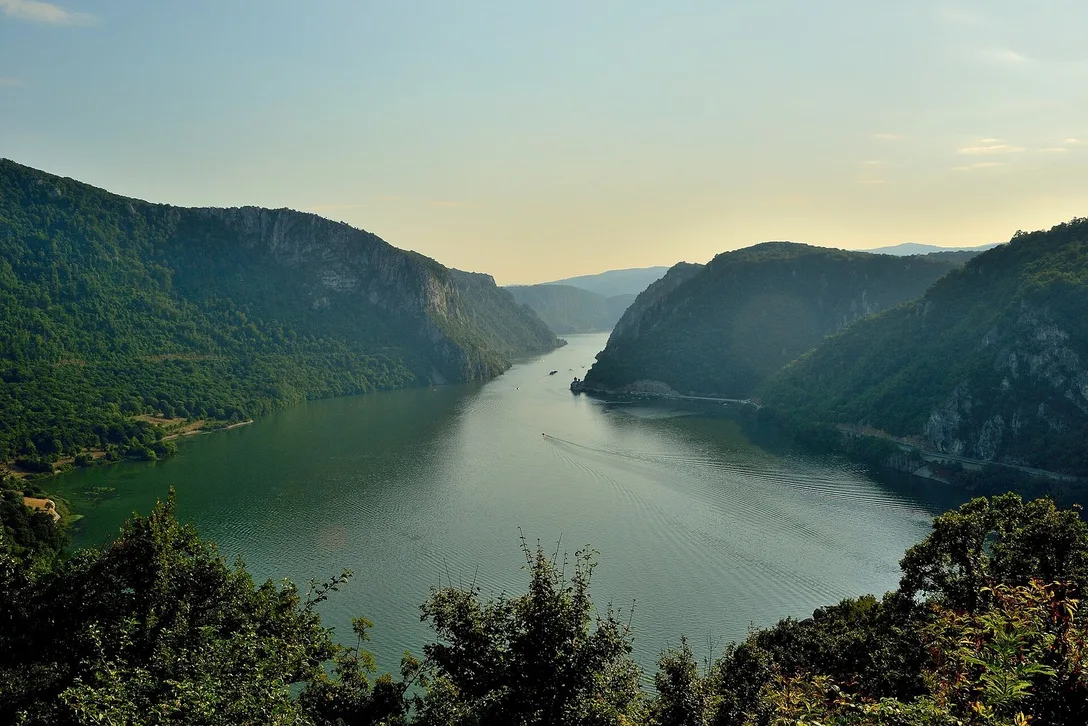
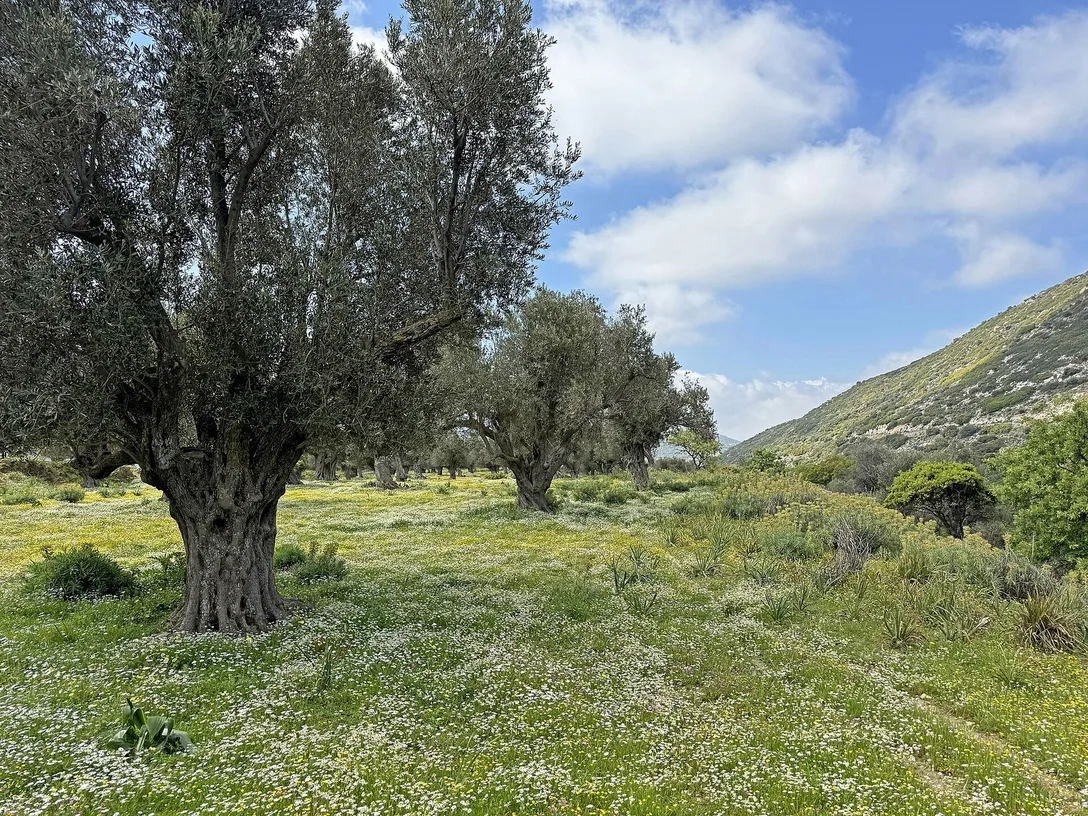
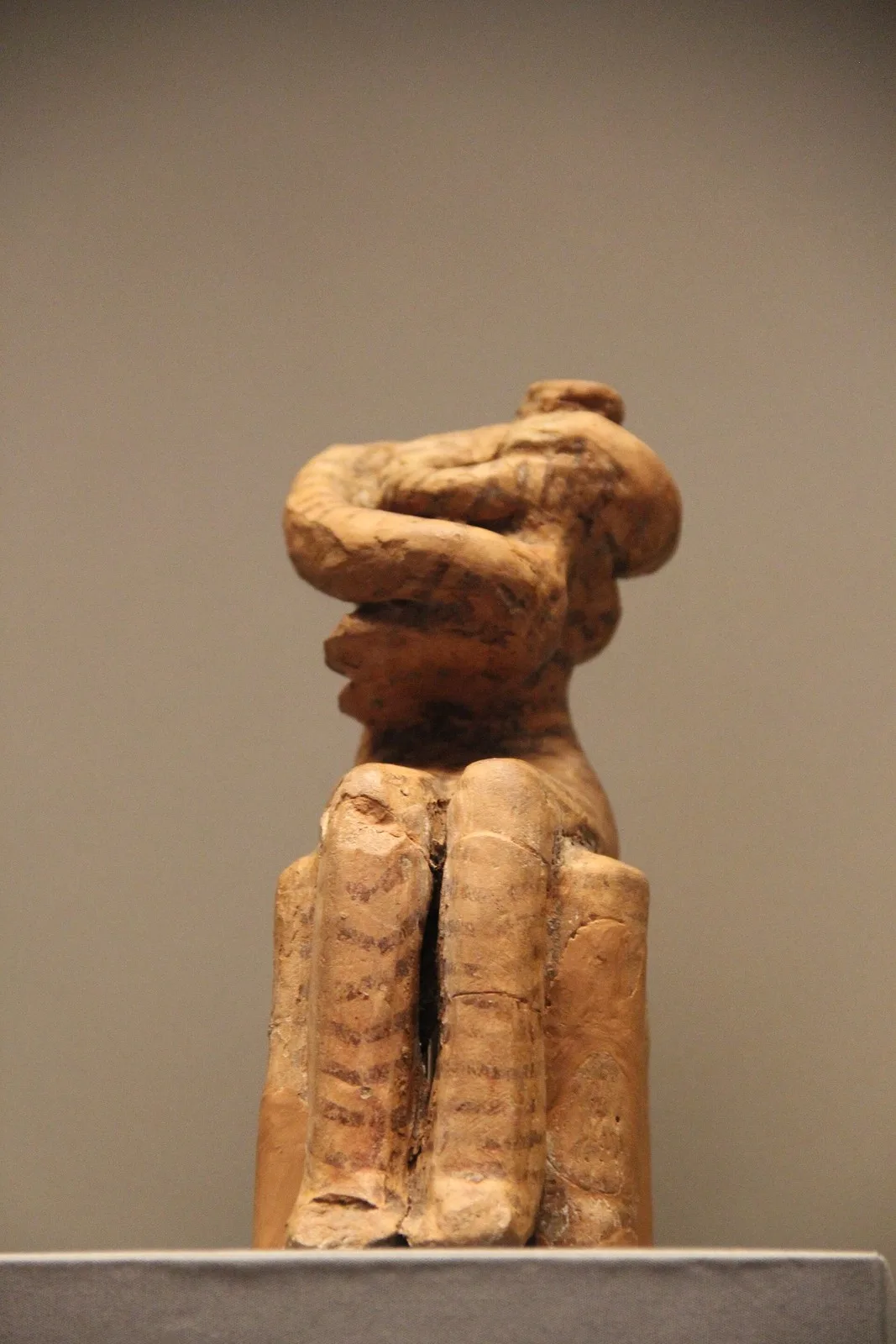
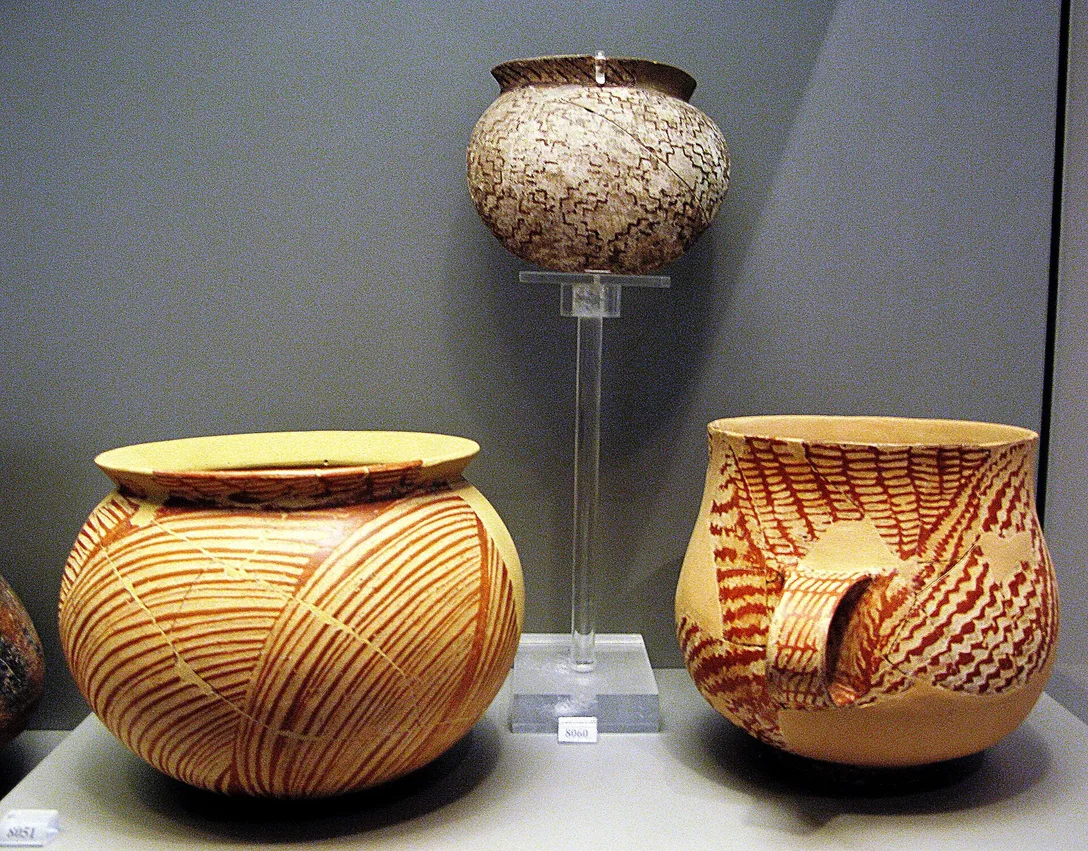
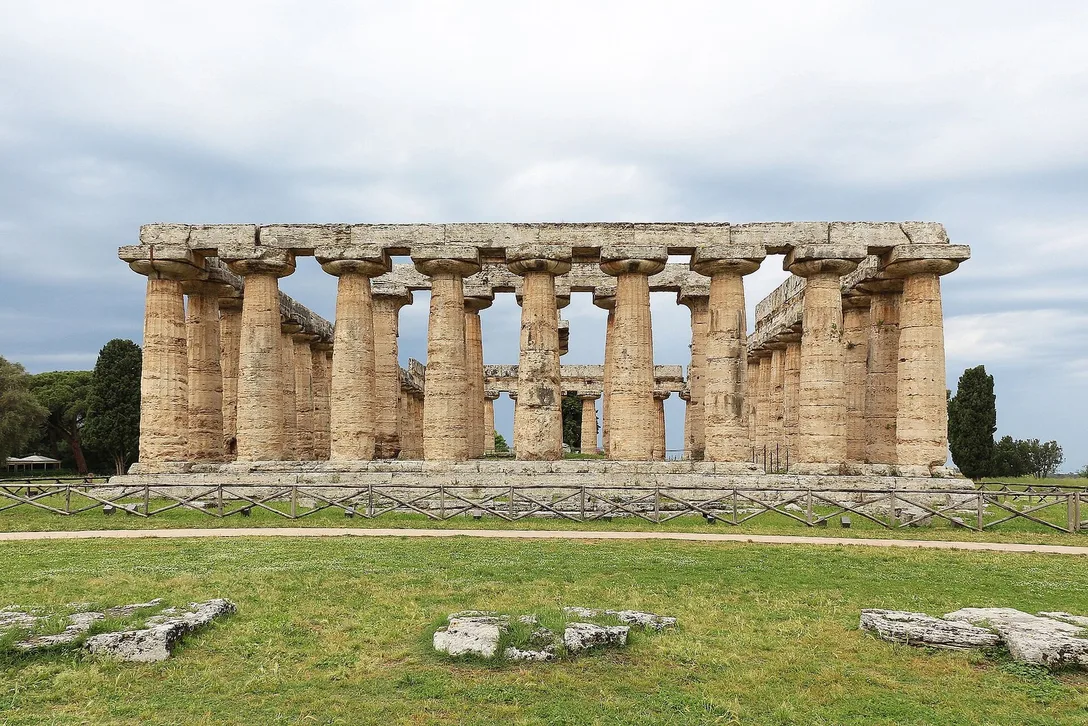
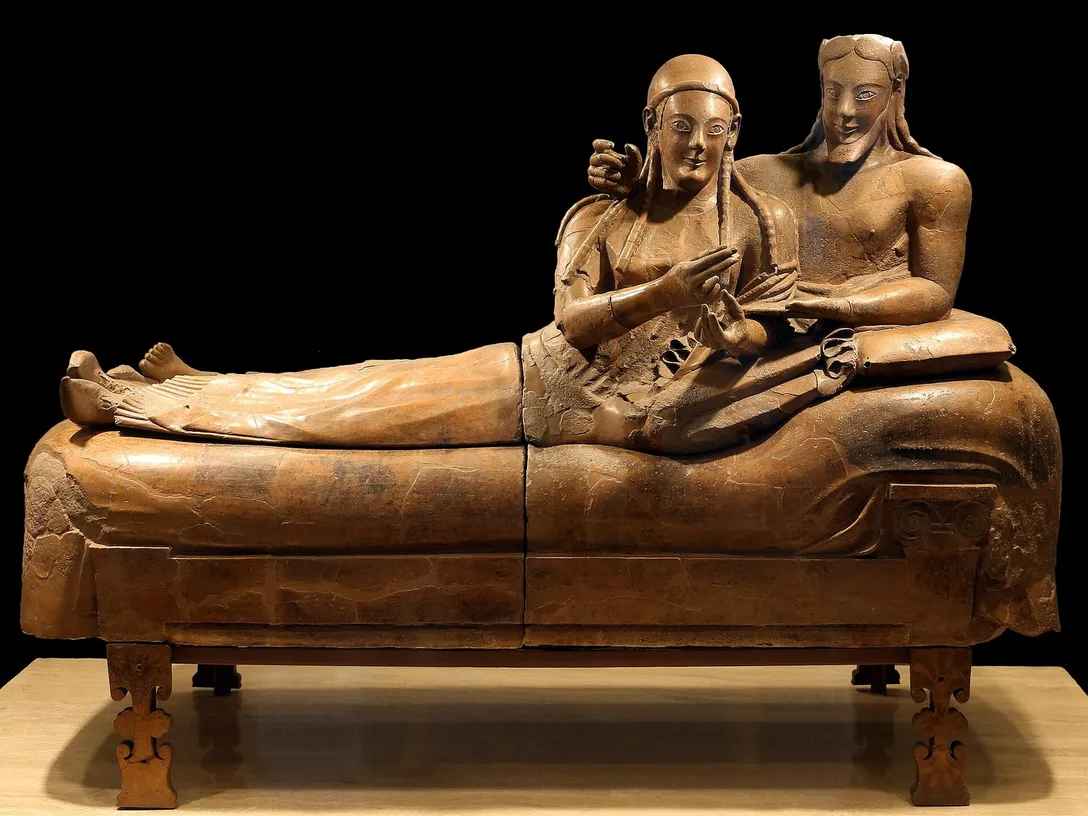
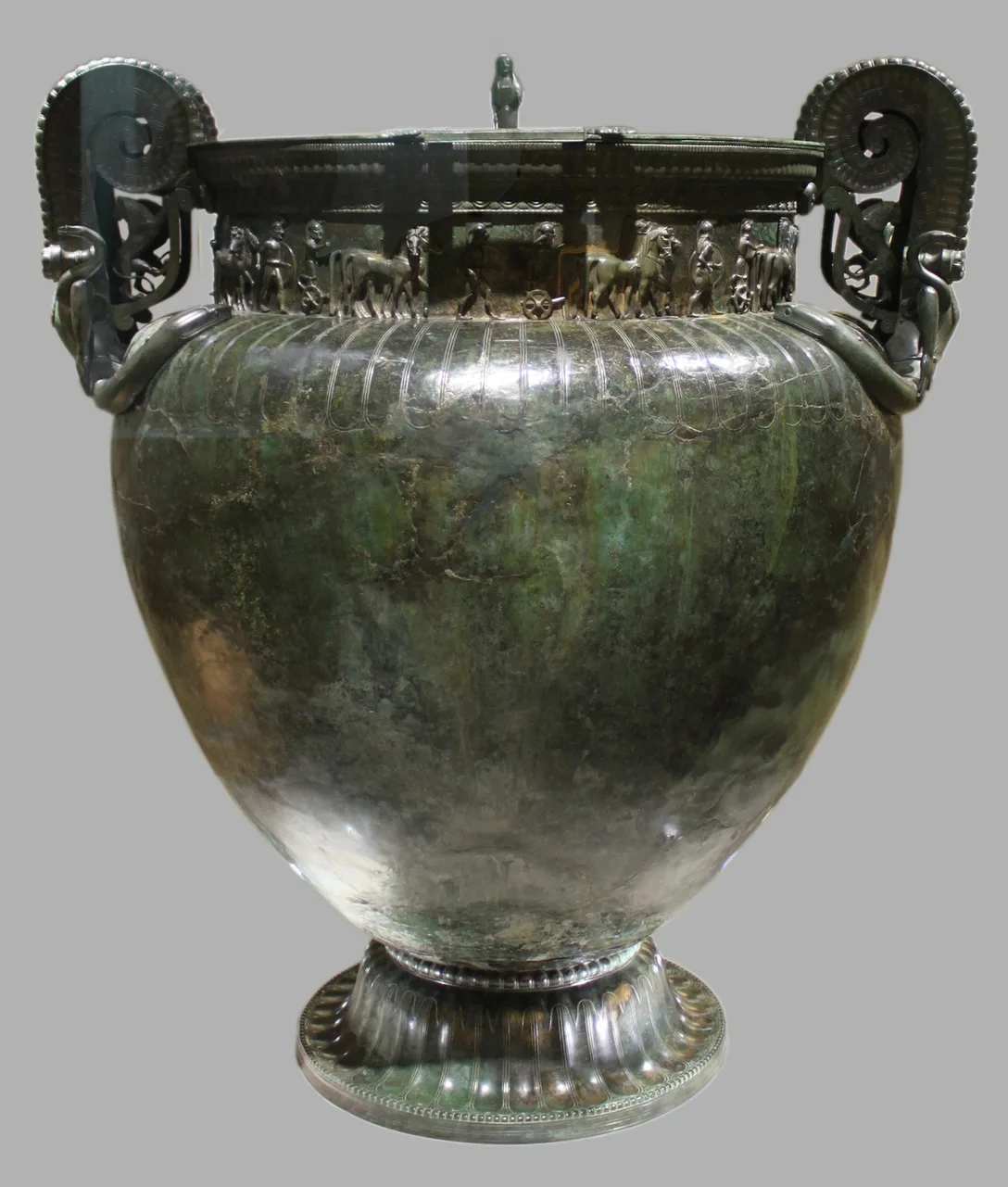
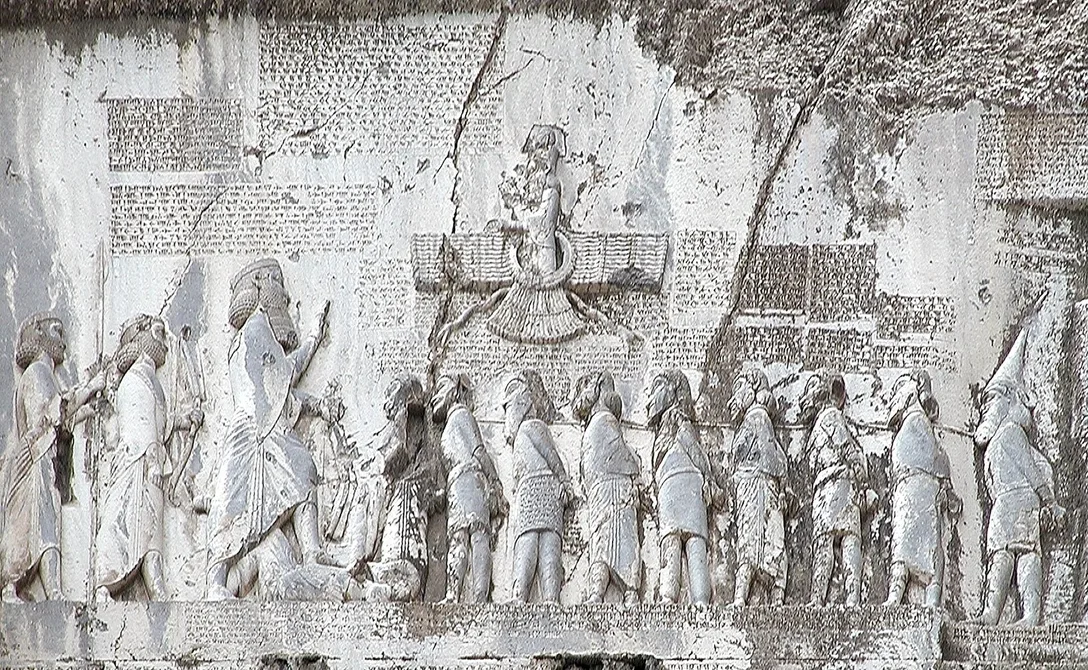
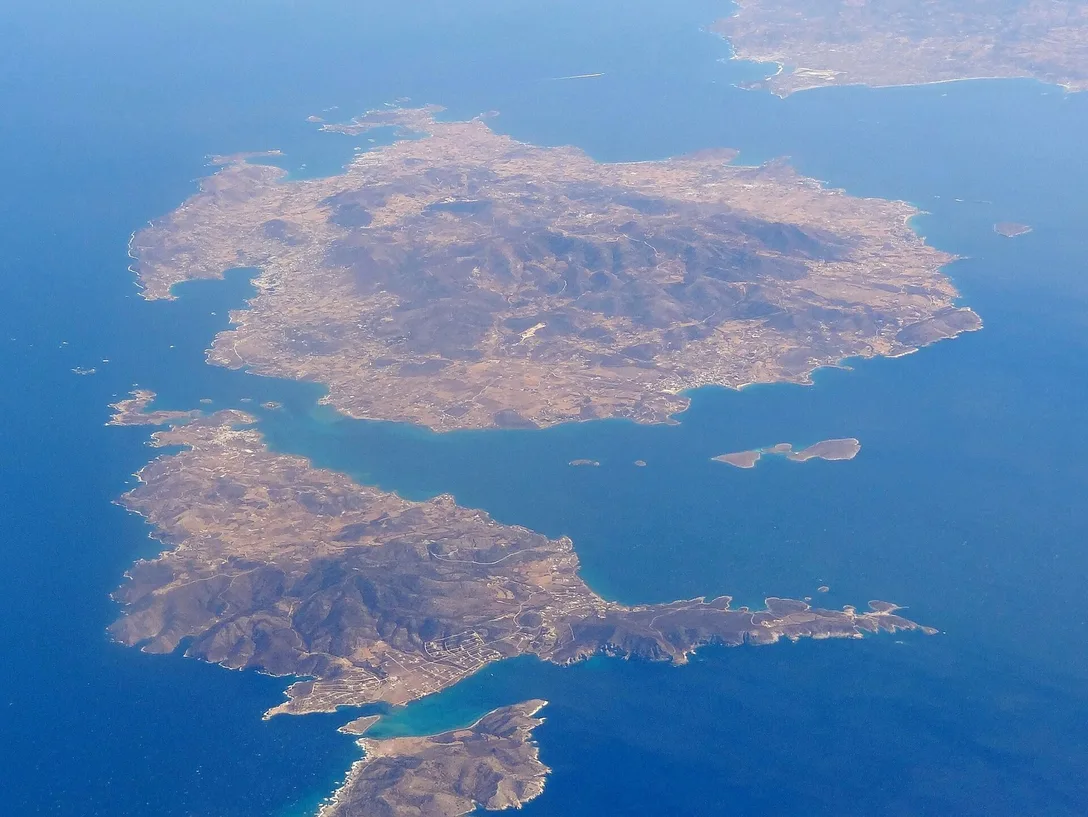
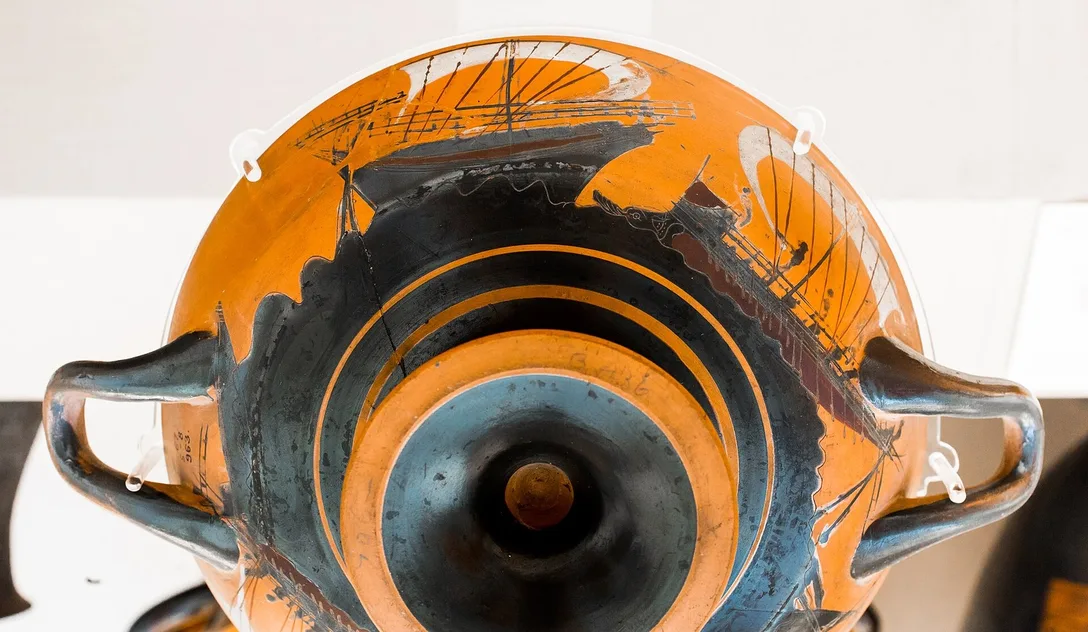
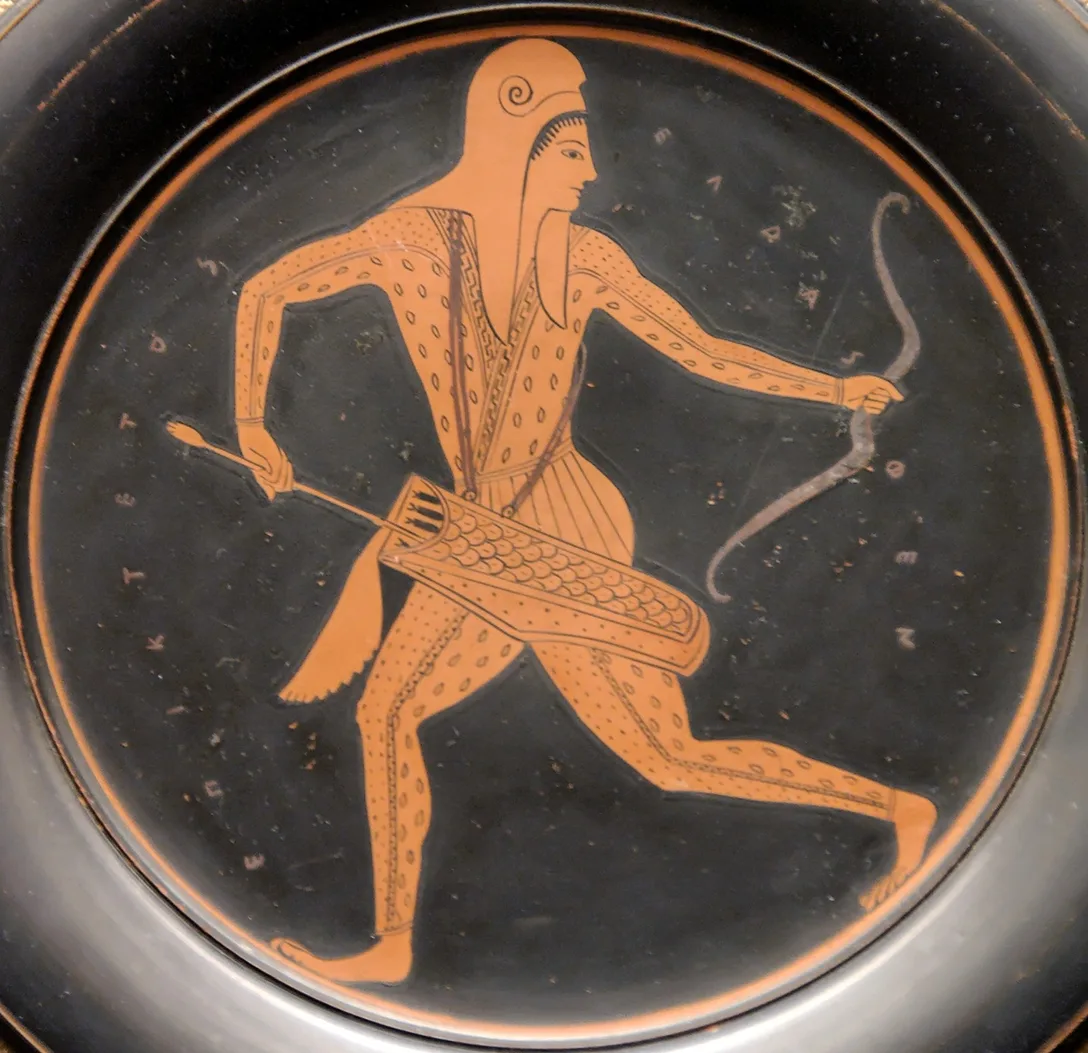
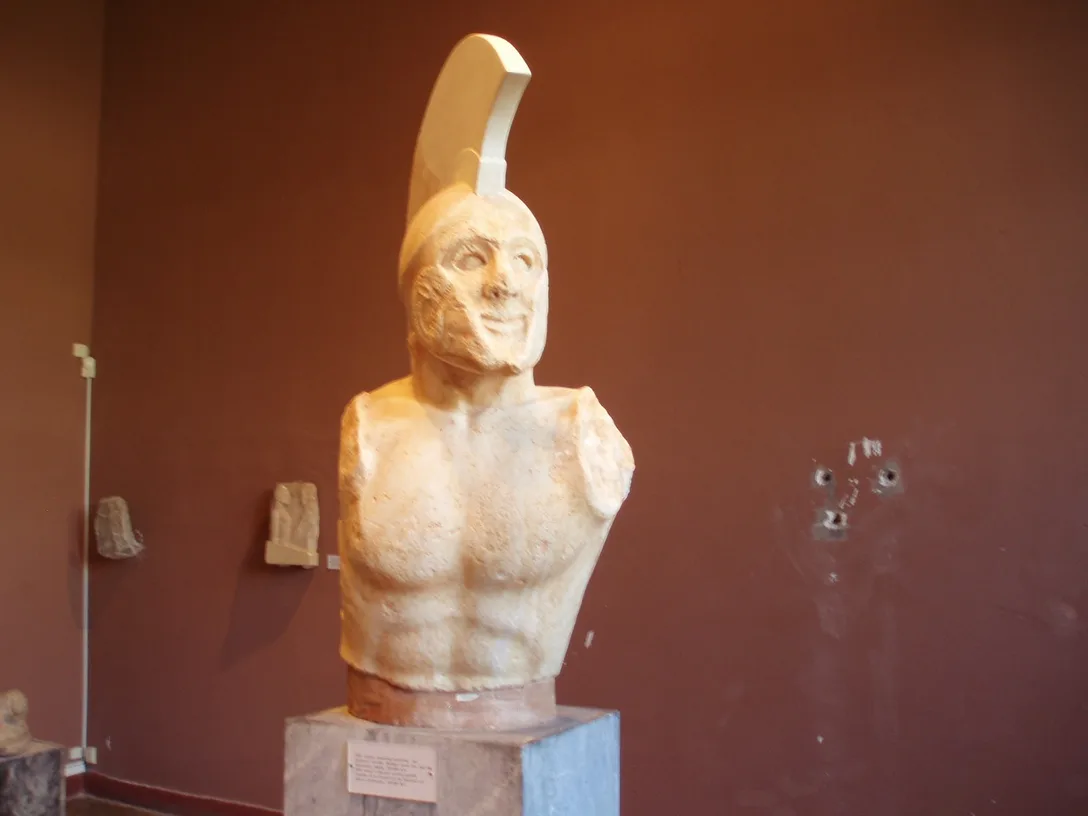
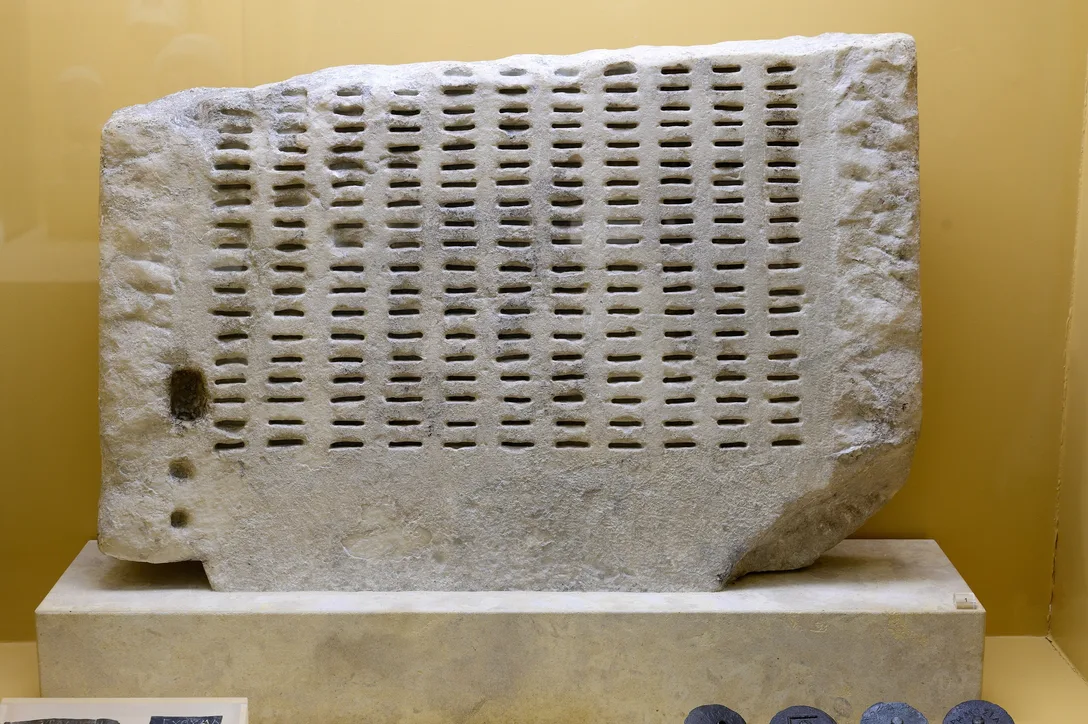
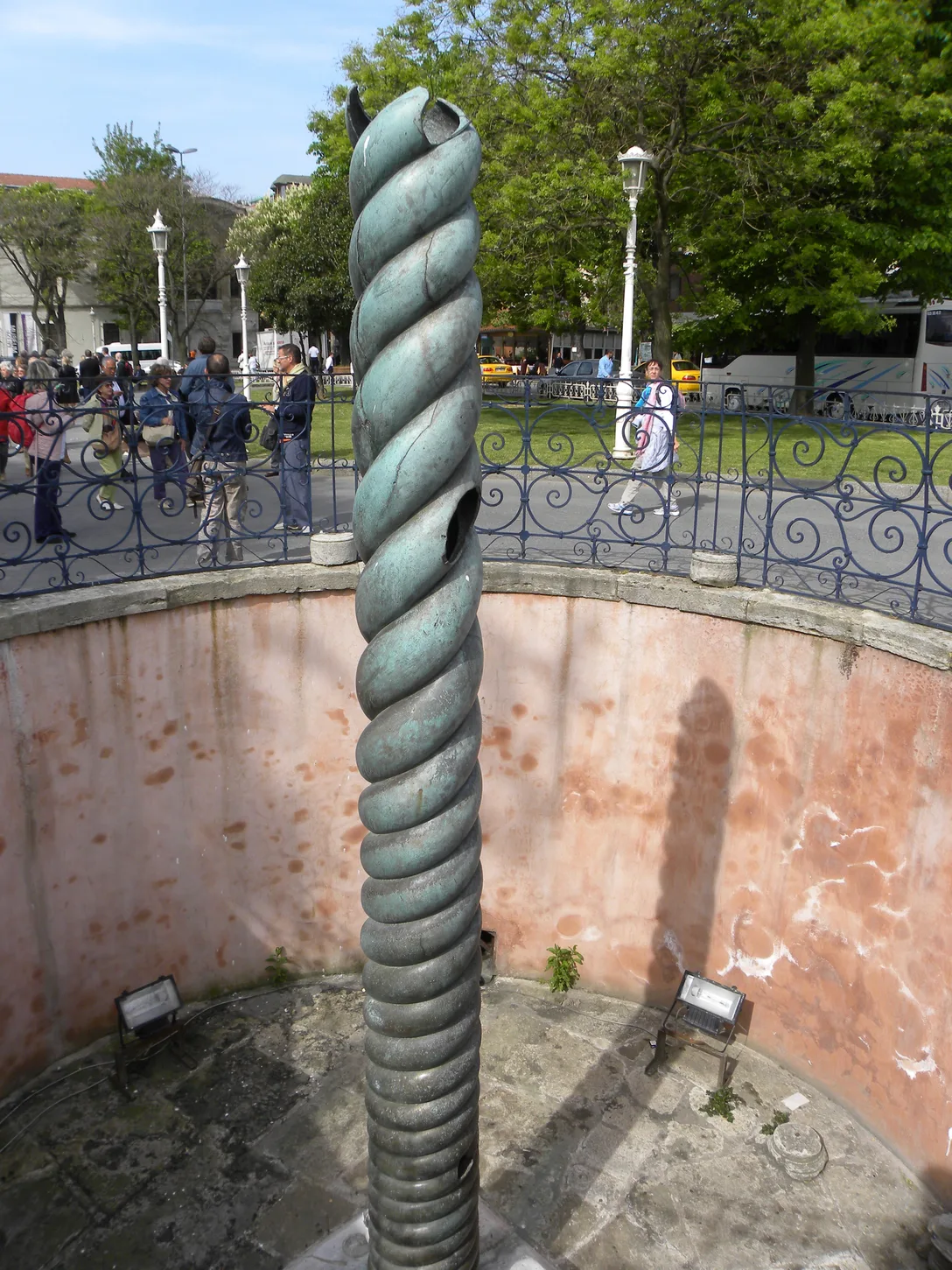
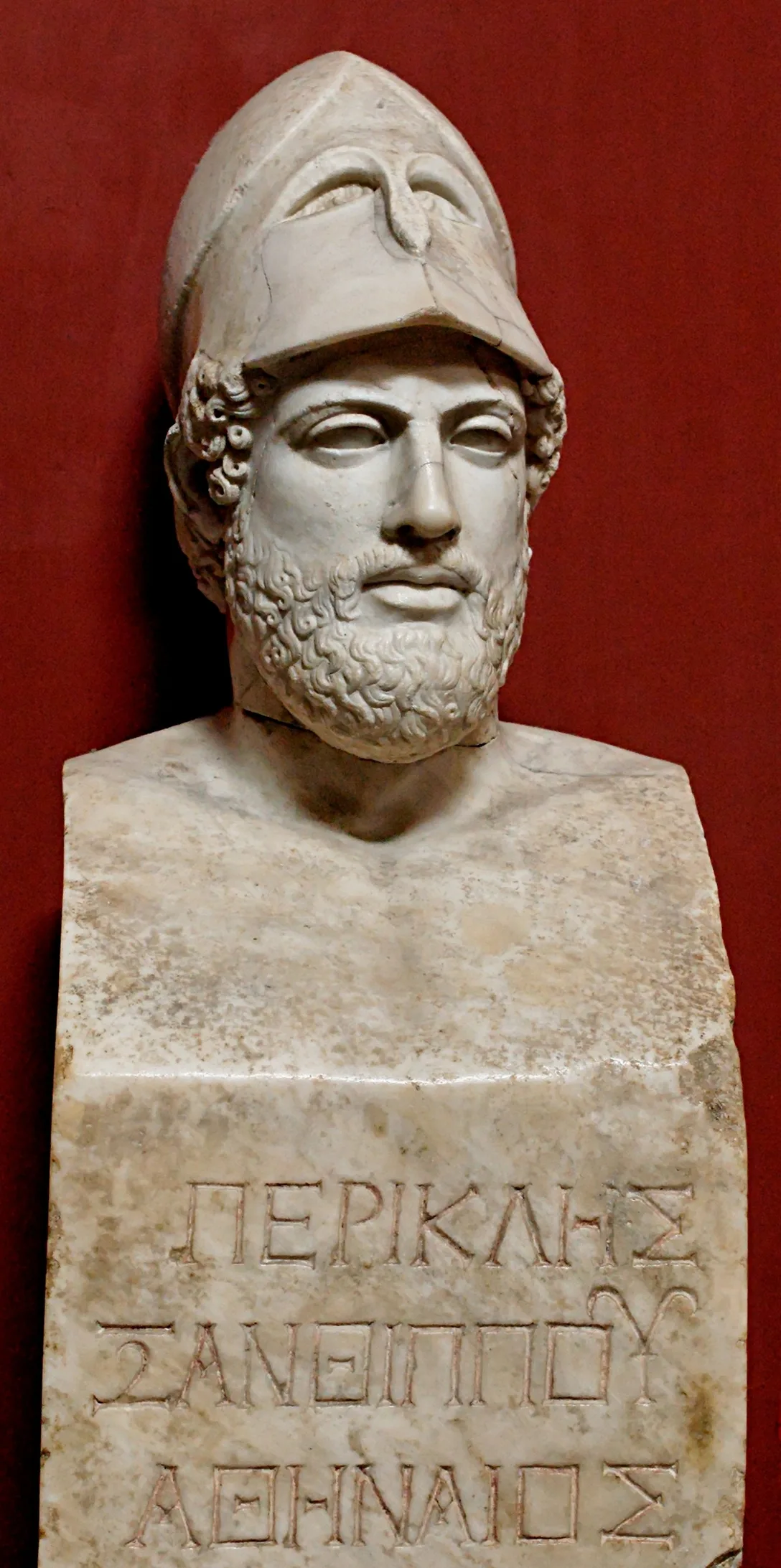
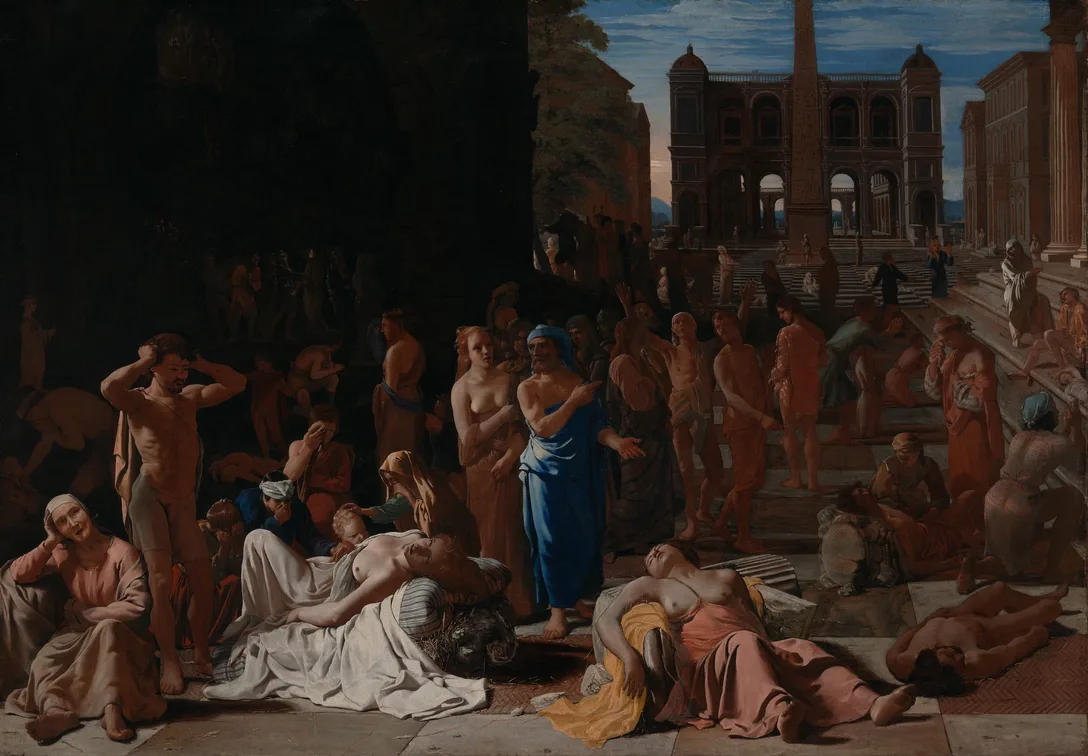
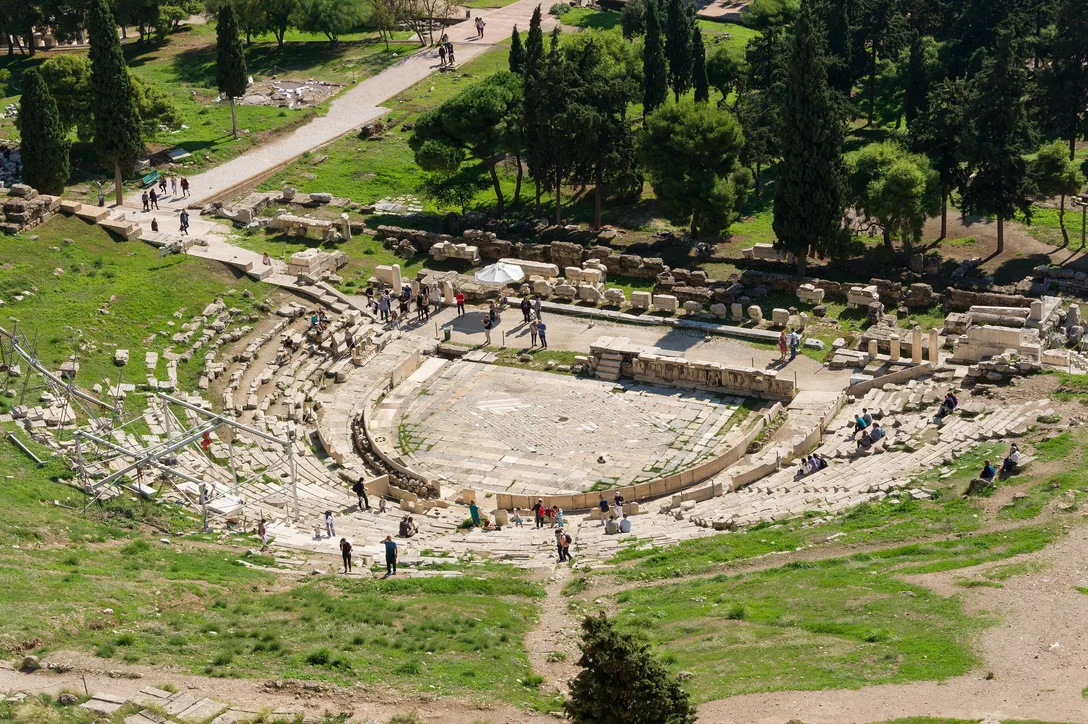
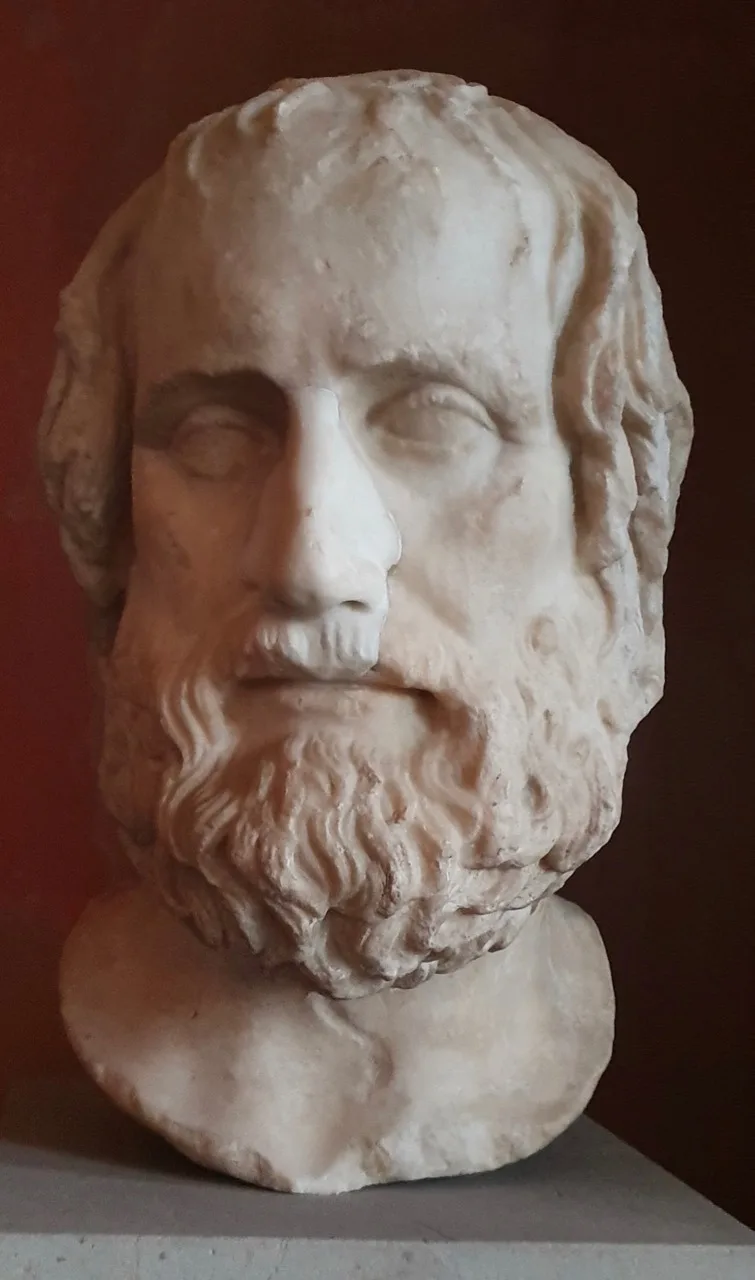
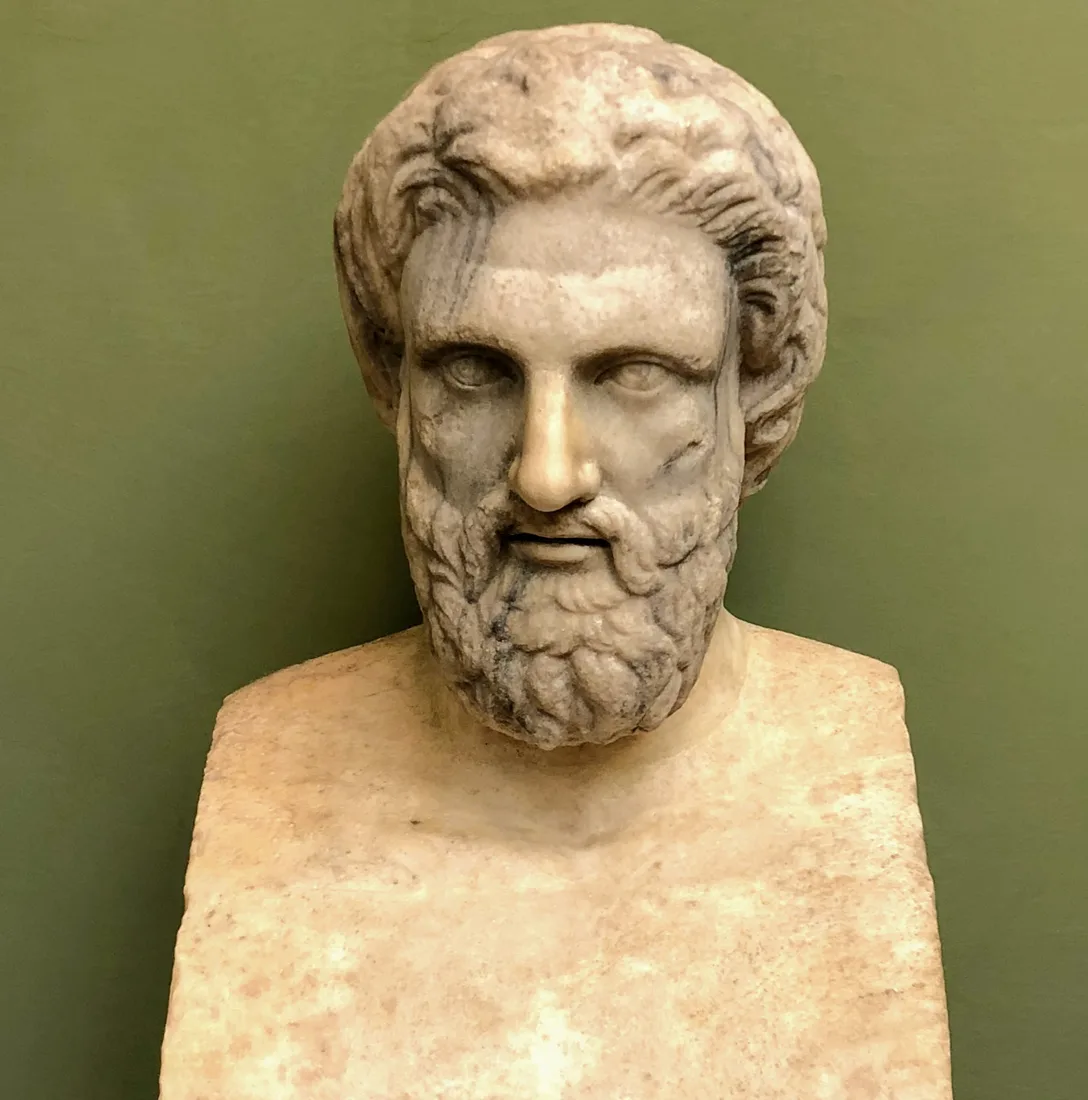
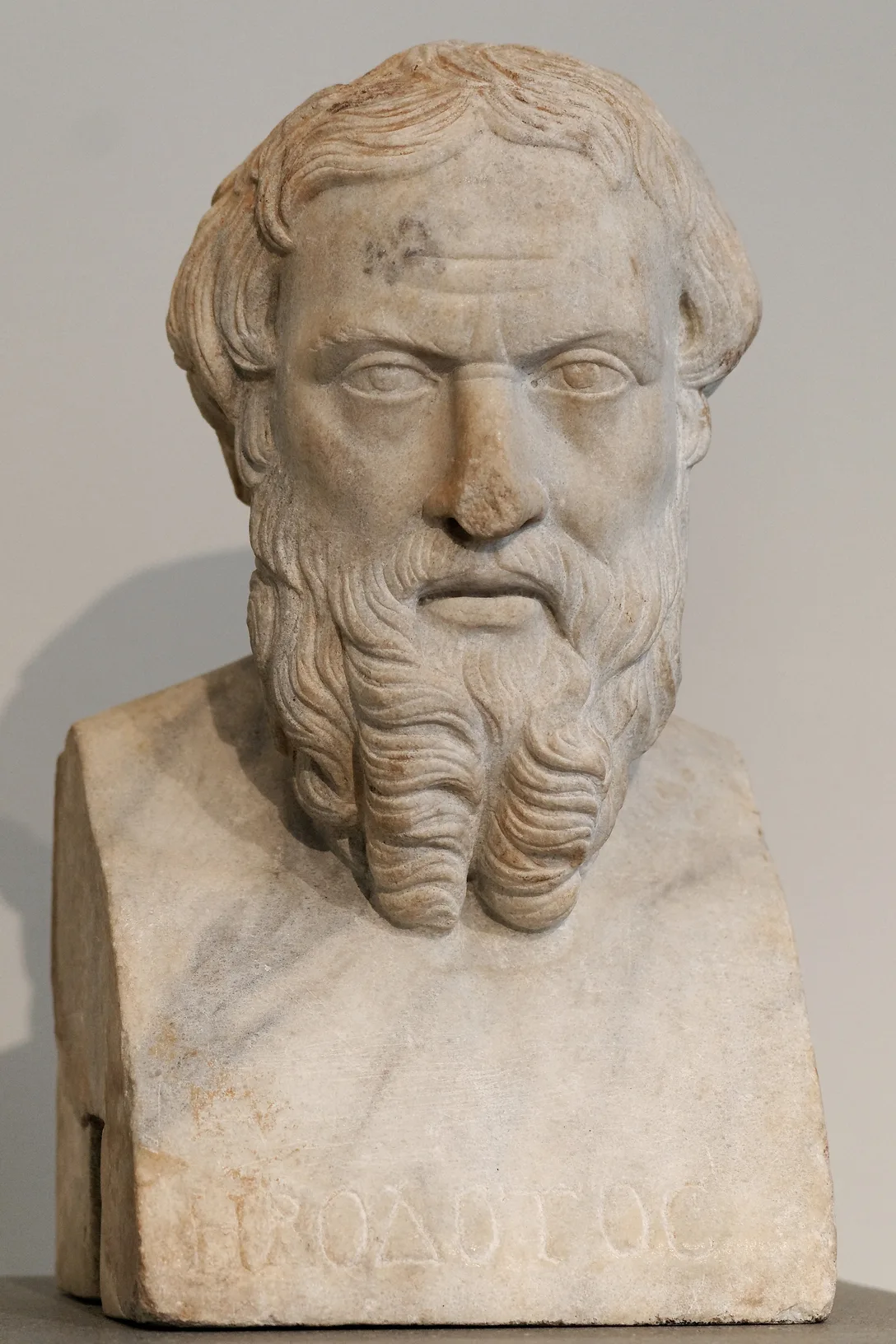
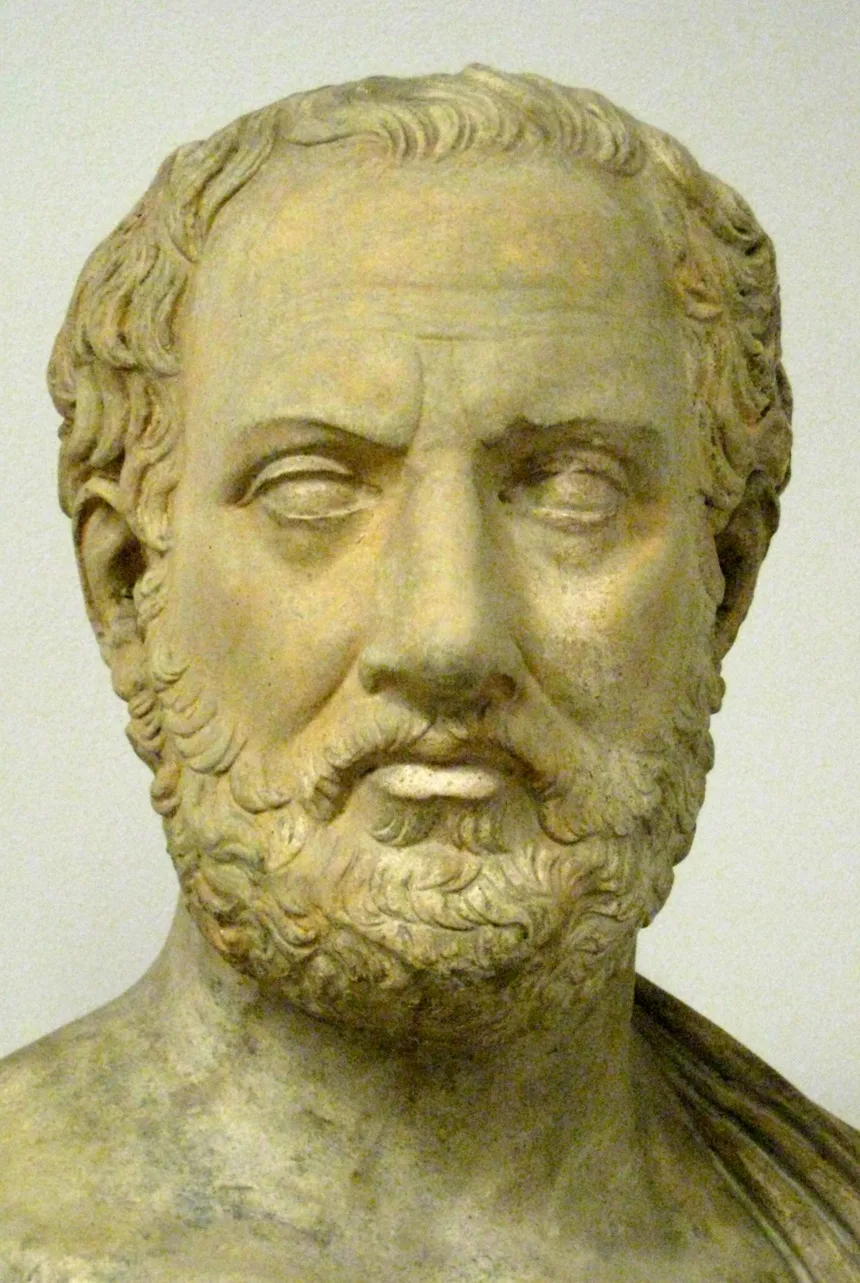
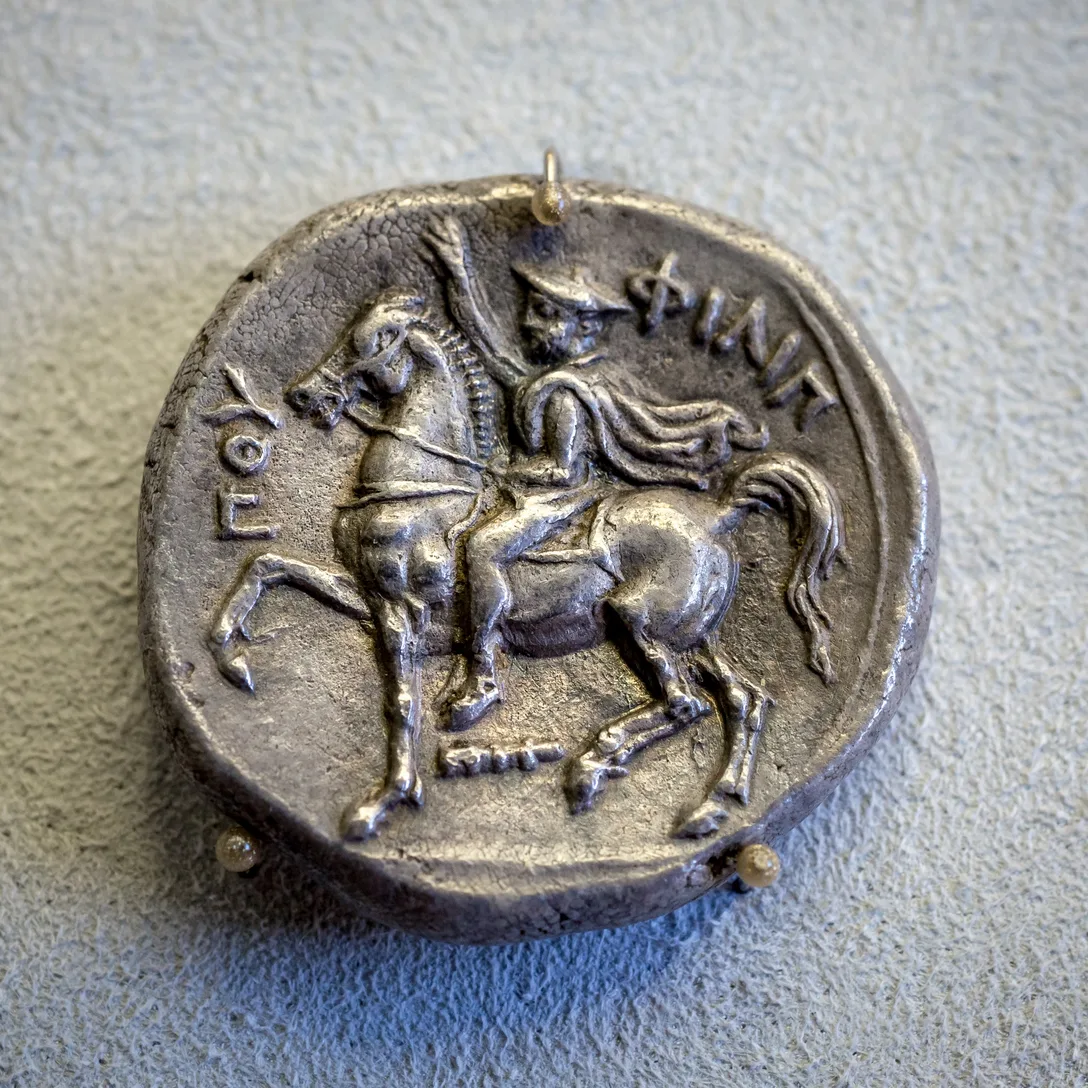
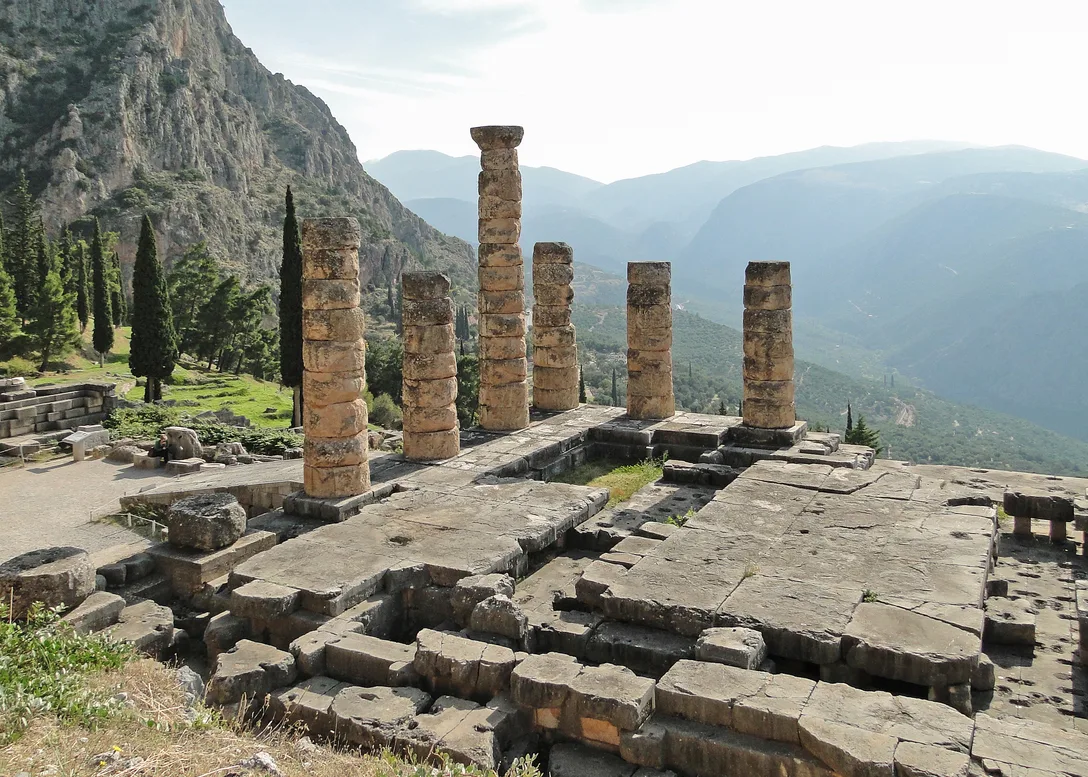
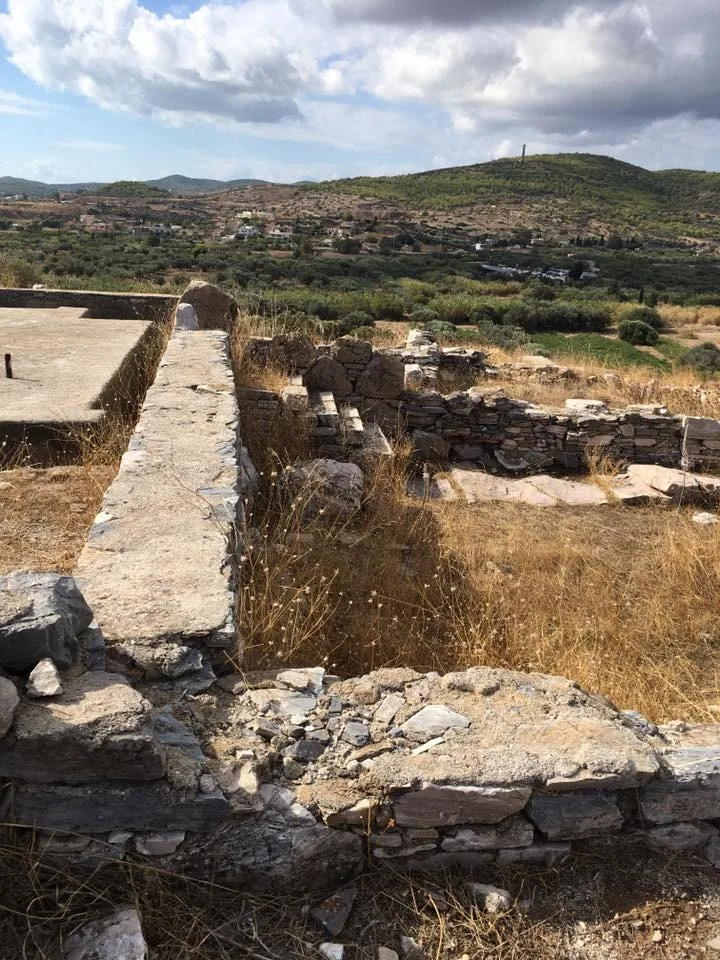
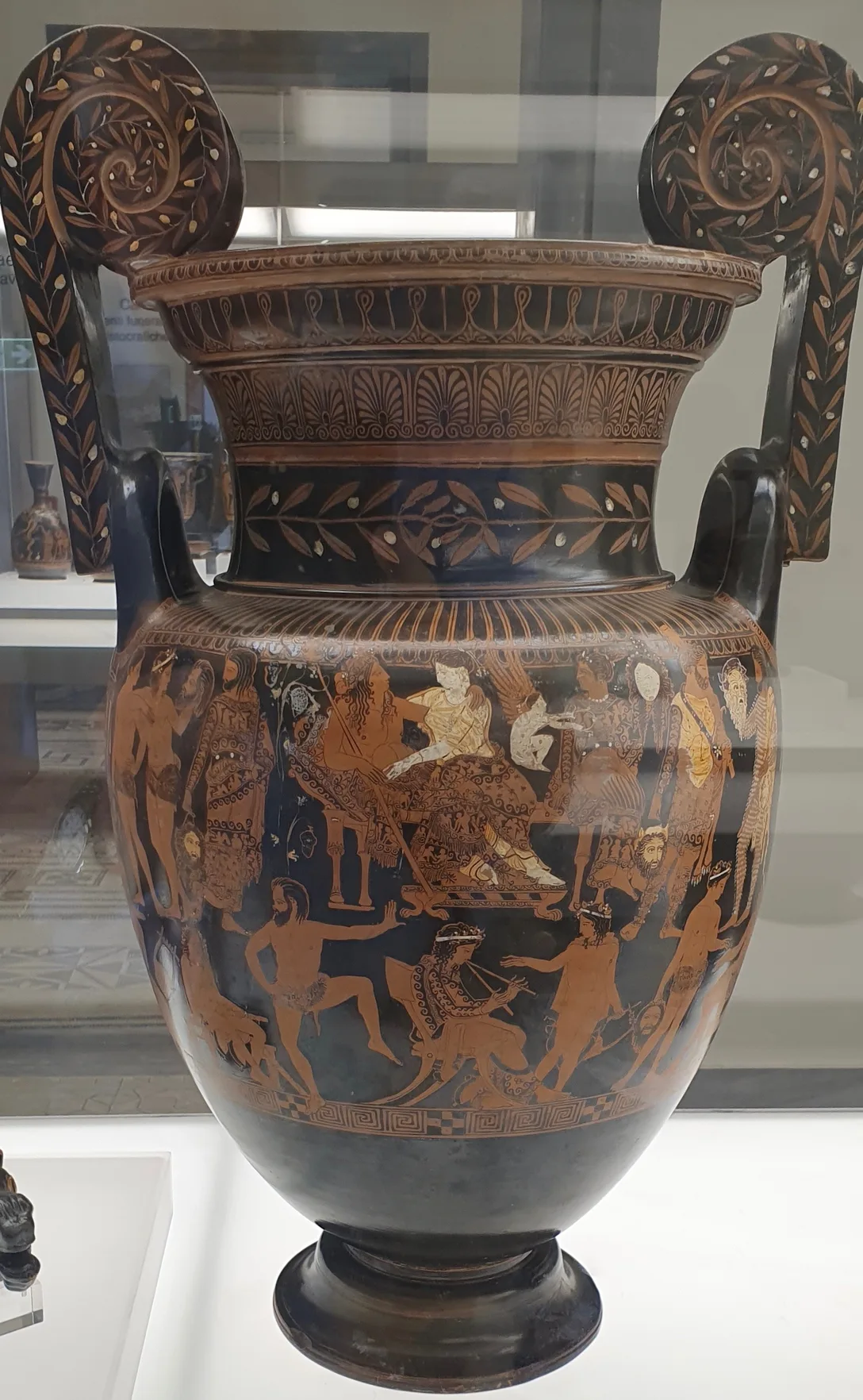
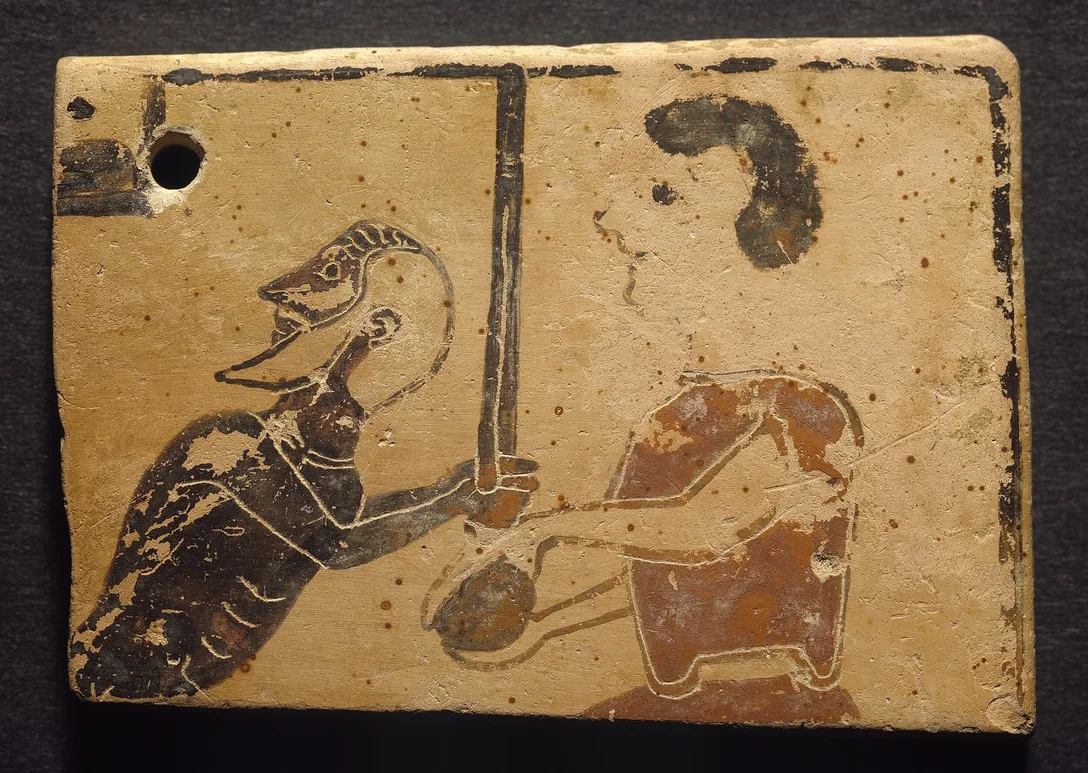
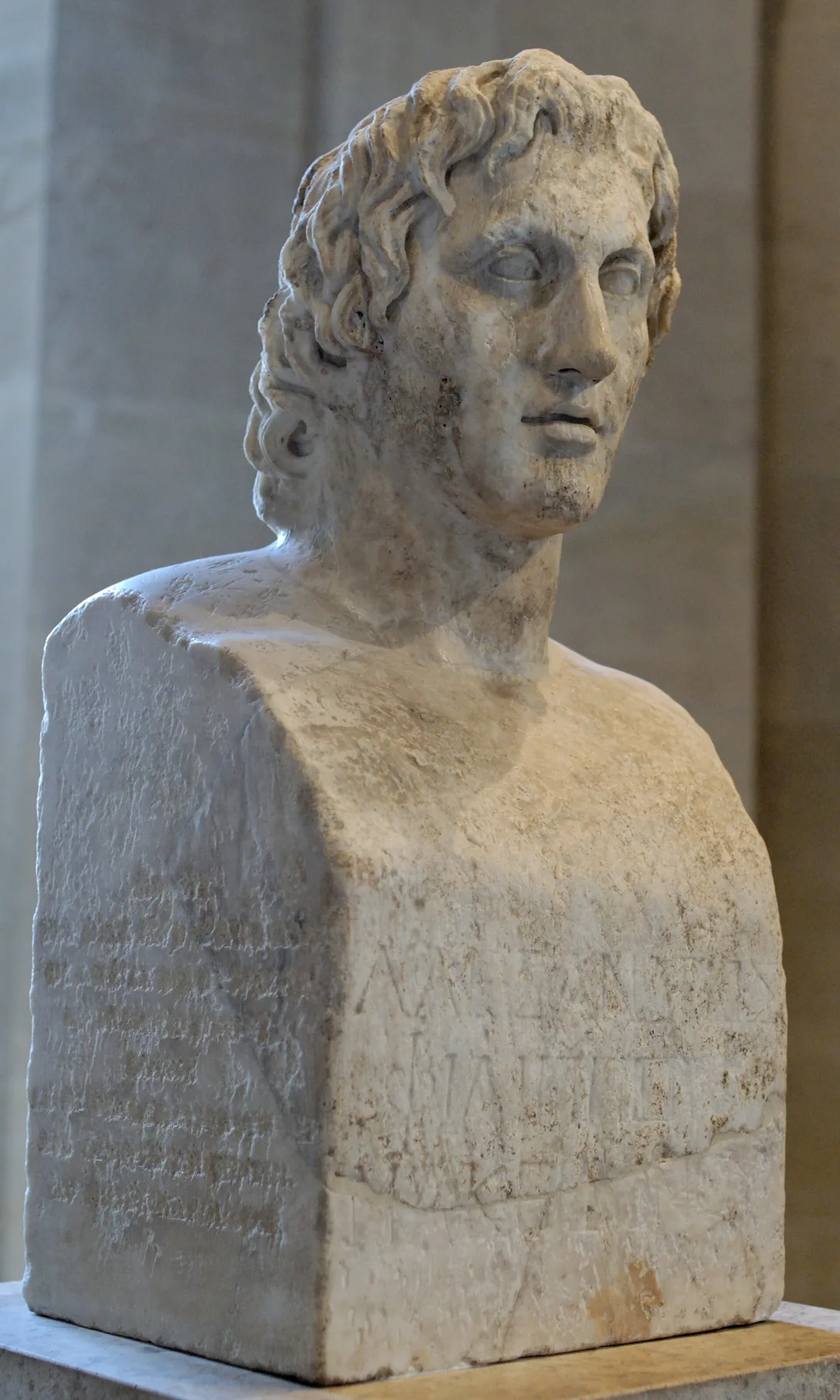
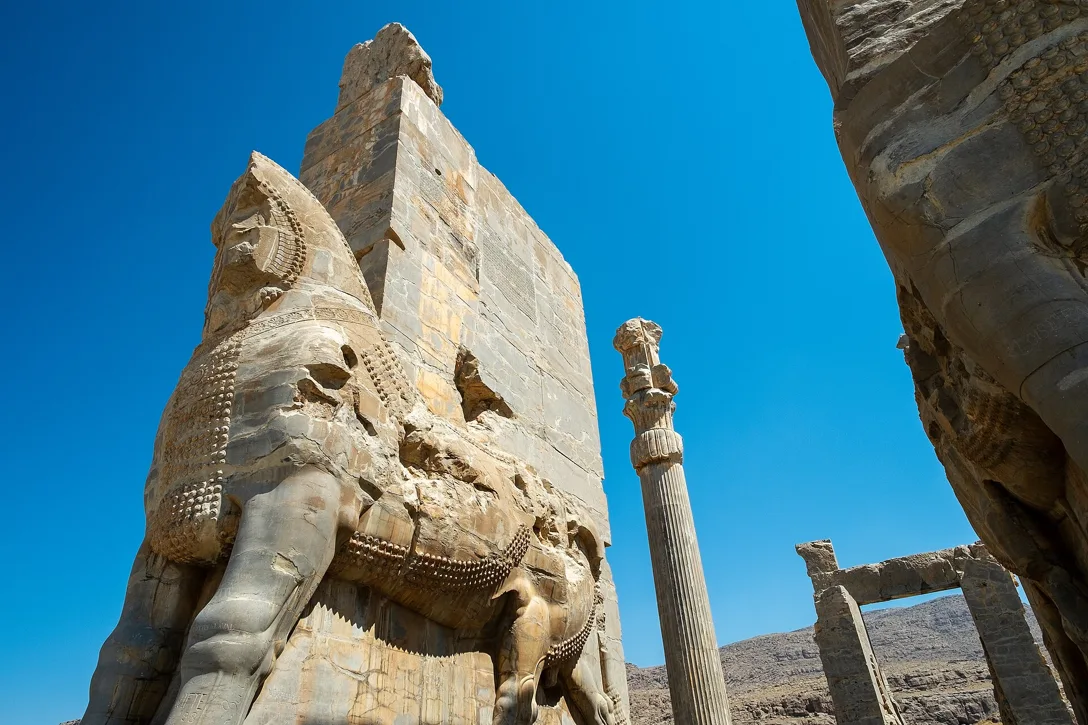
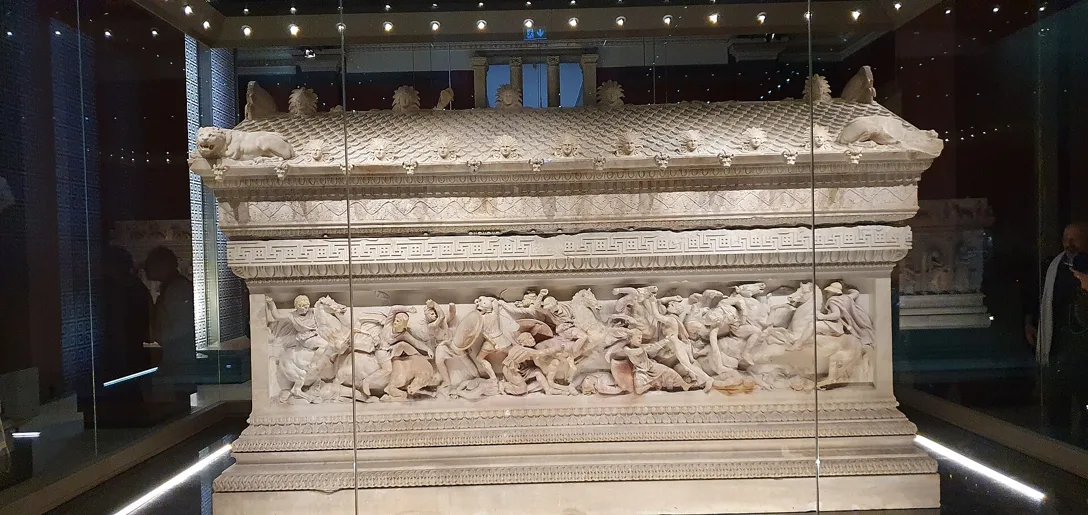
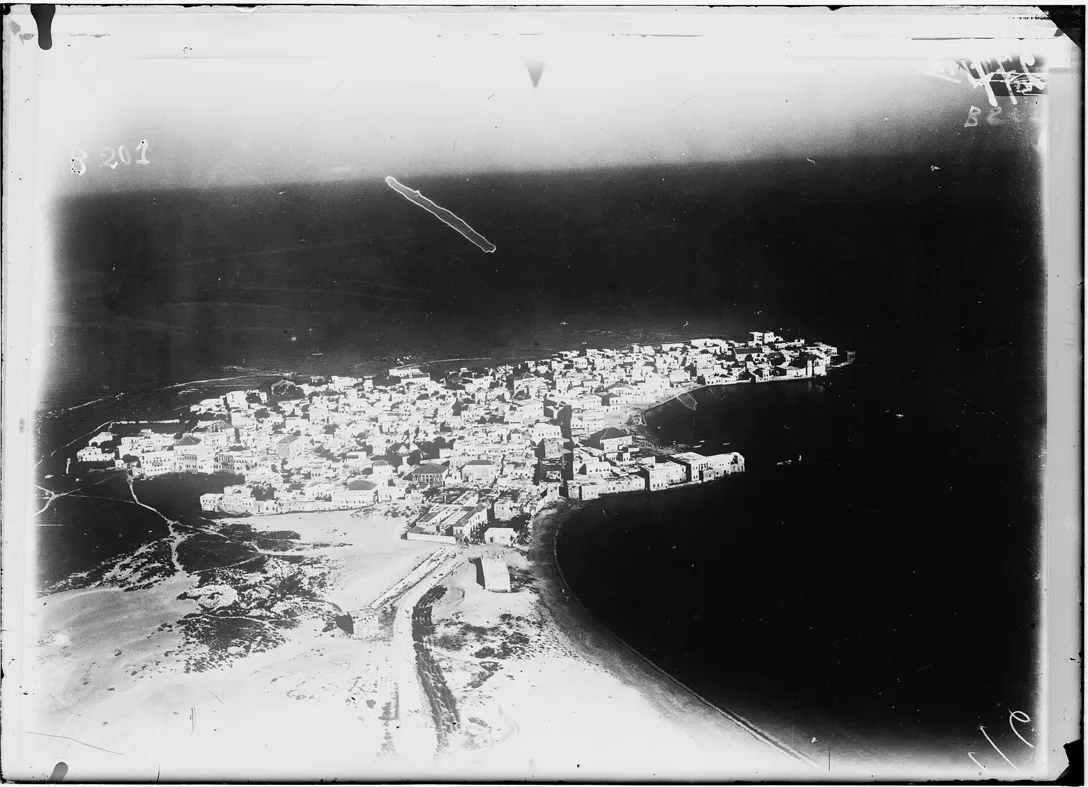
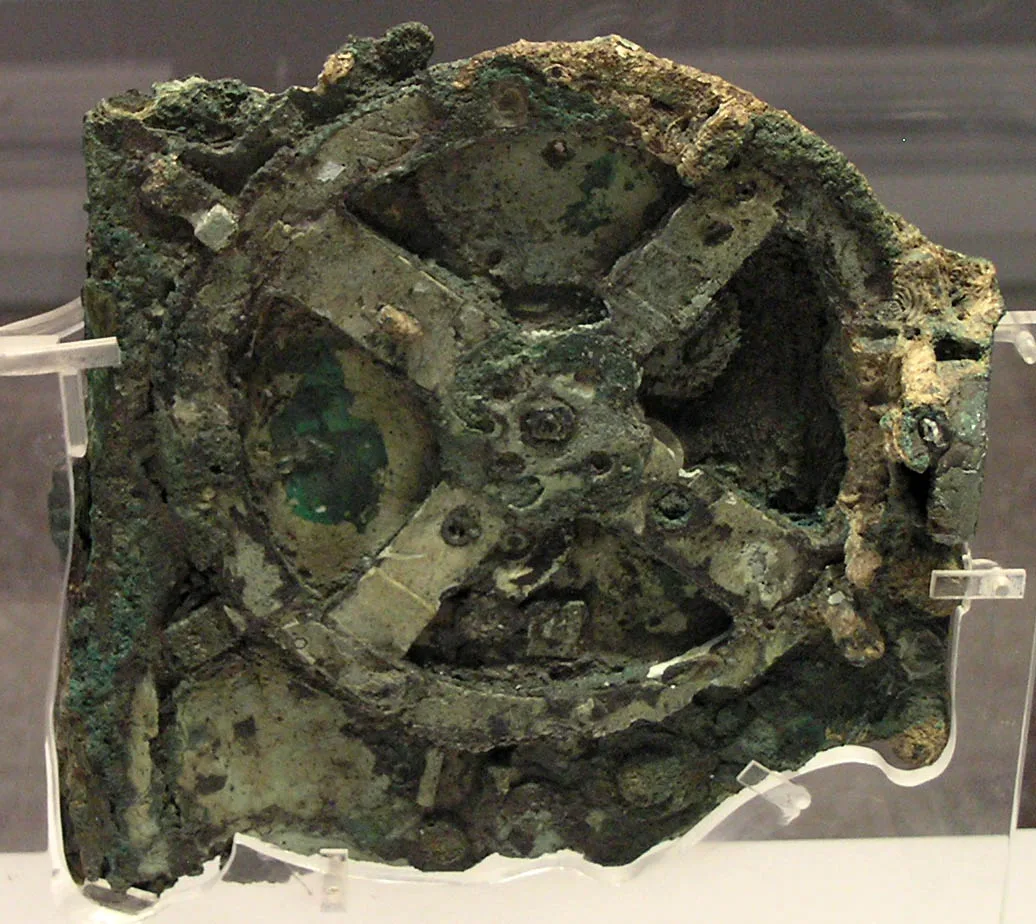
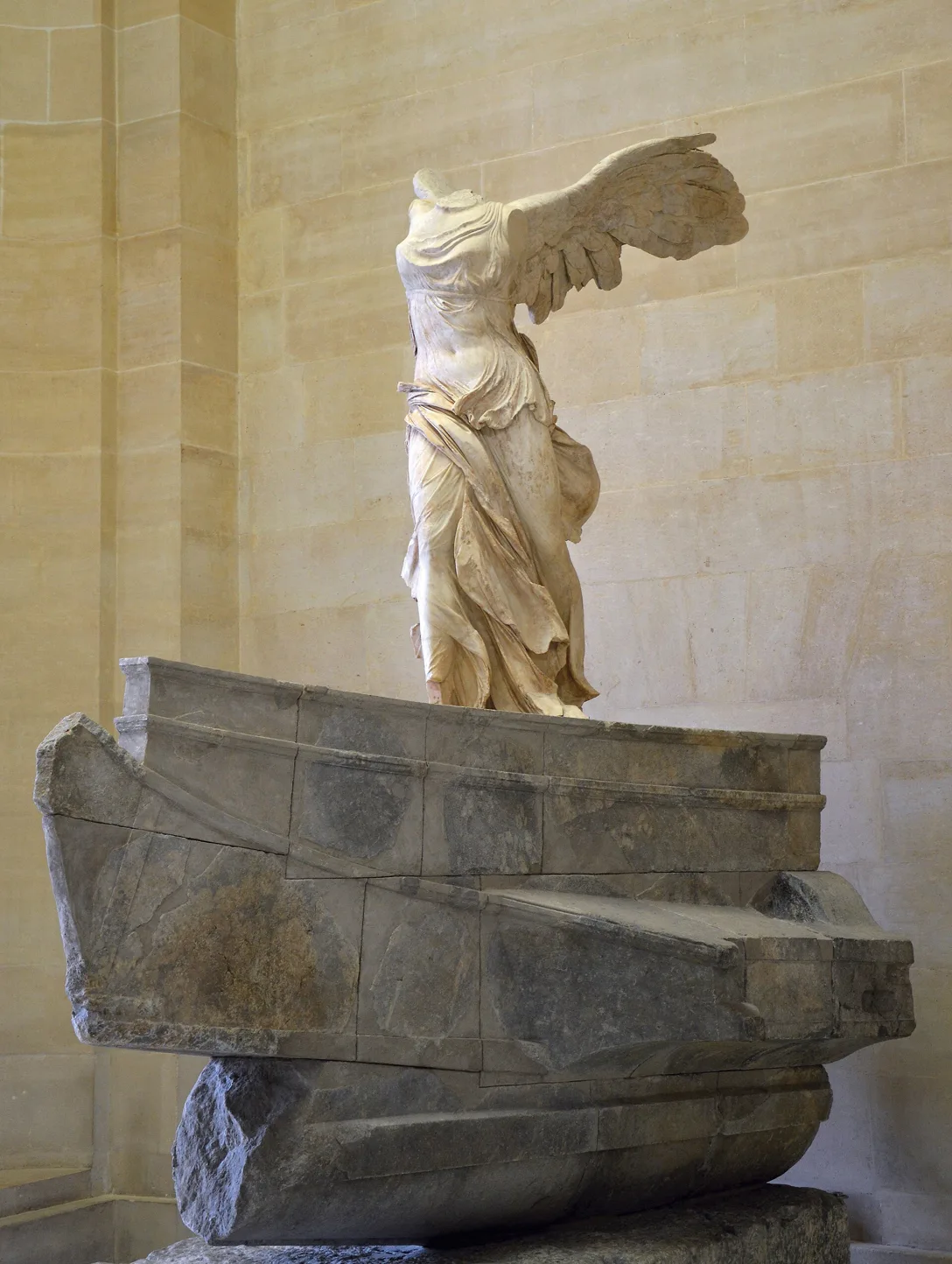
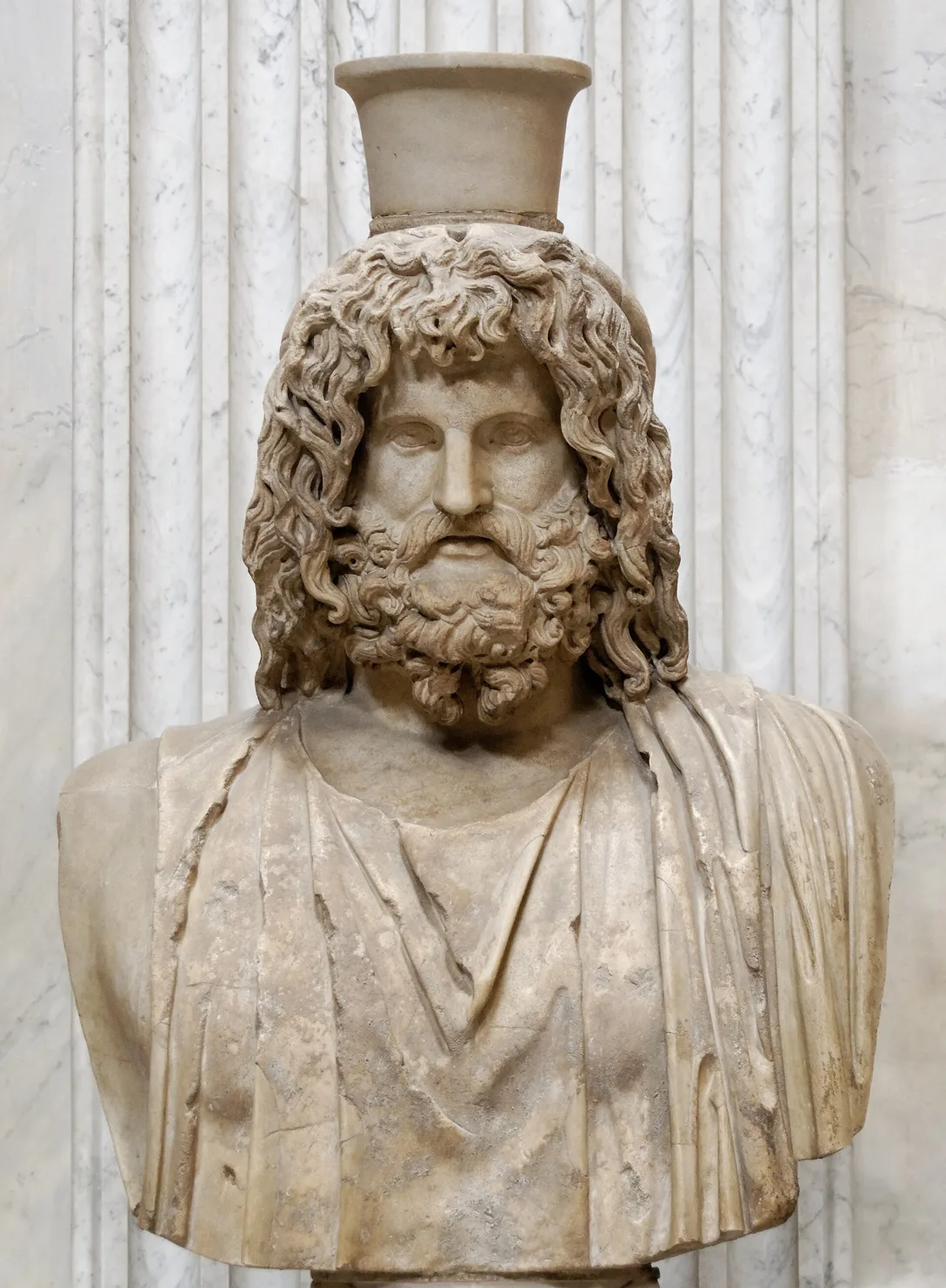
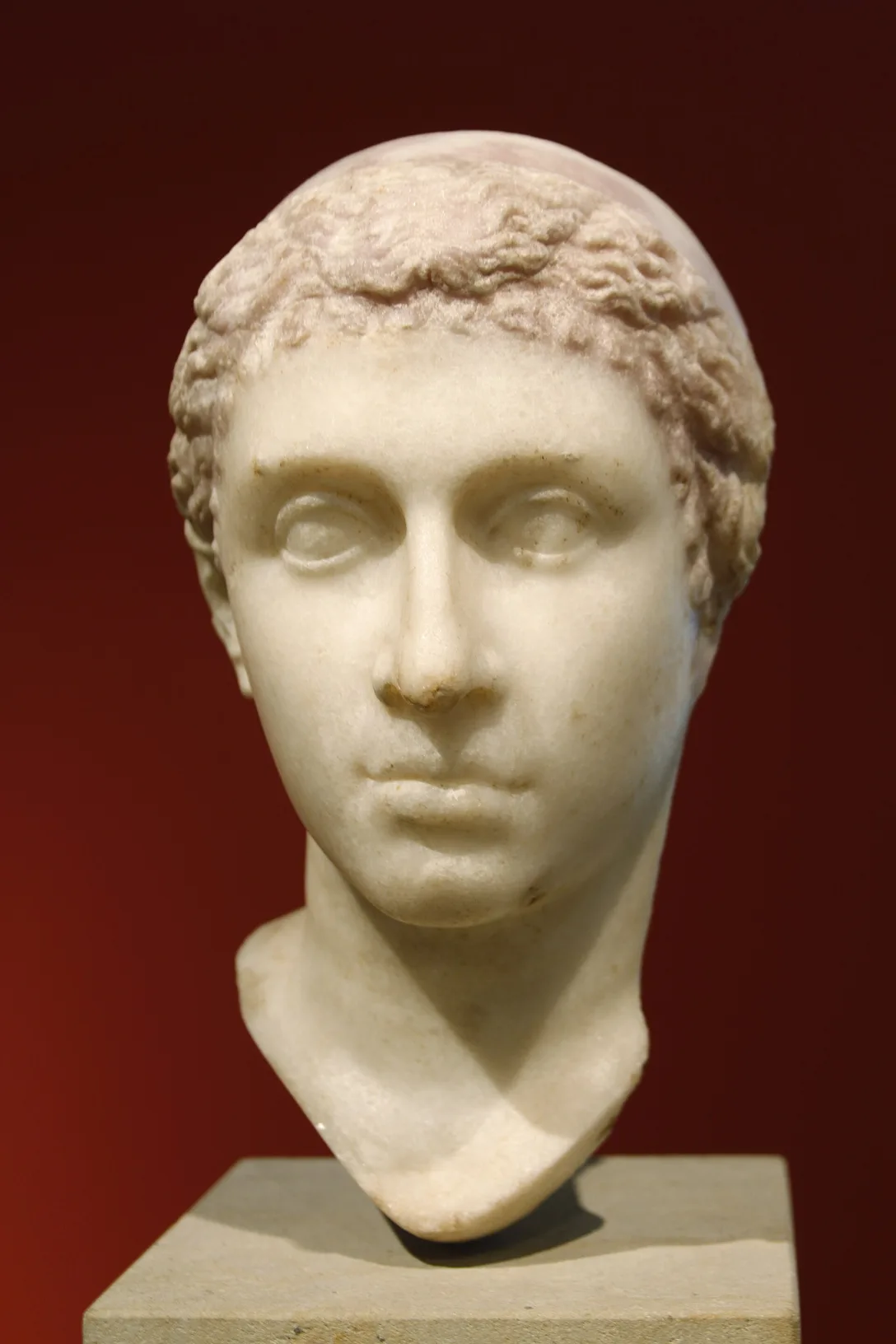
REAL OBJECTS AND PLACESObjects, buildings and places from the chapters, in museums and on the ground today. Click a picture to see it larger.


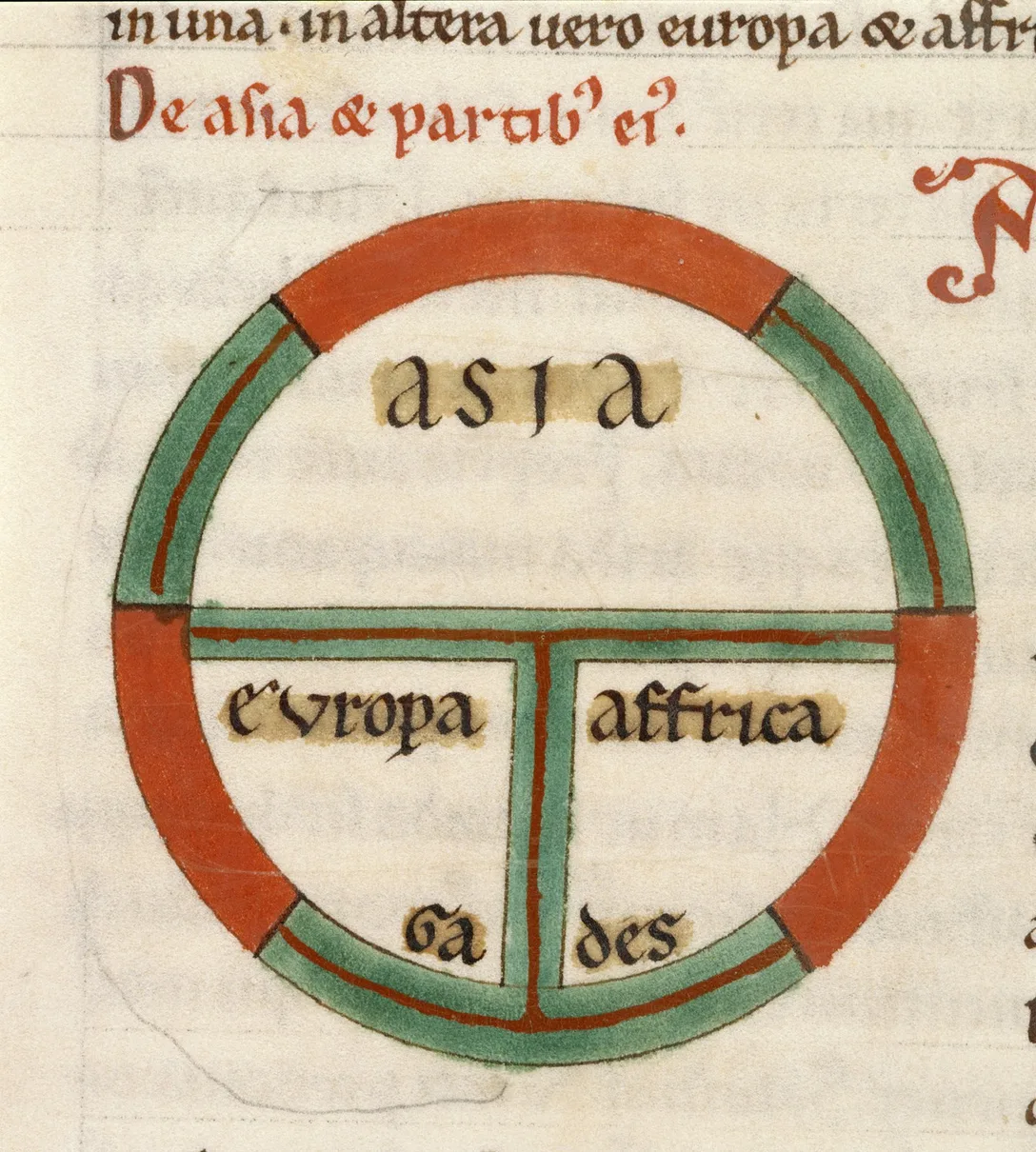


























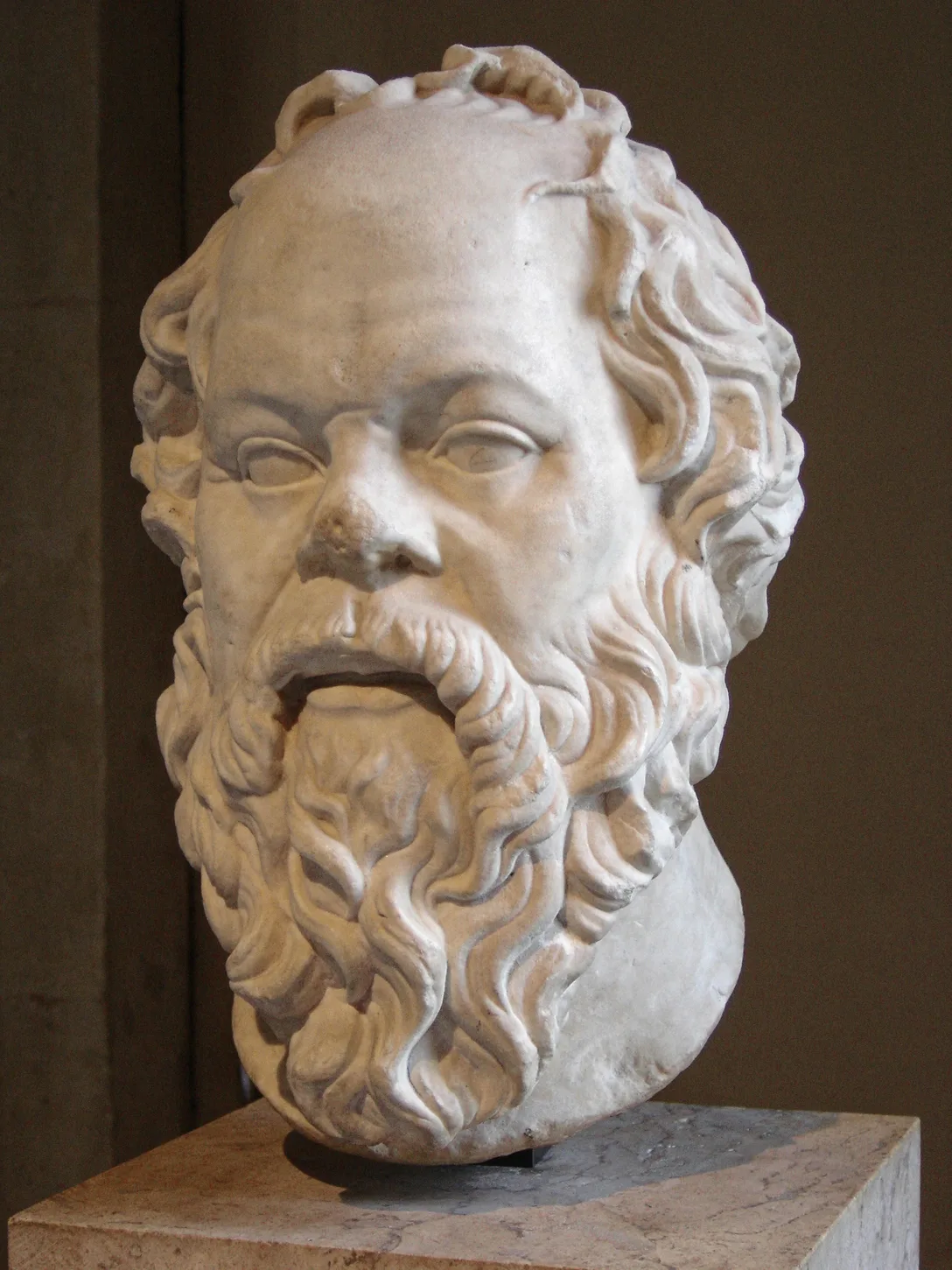


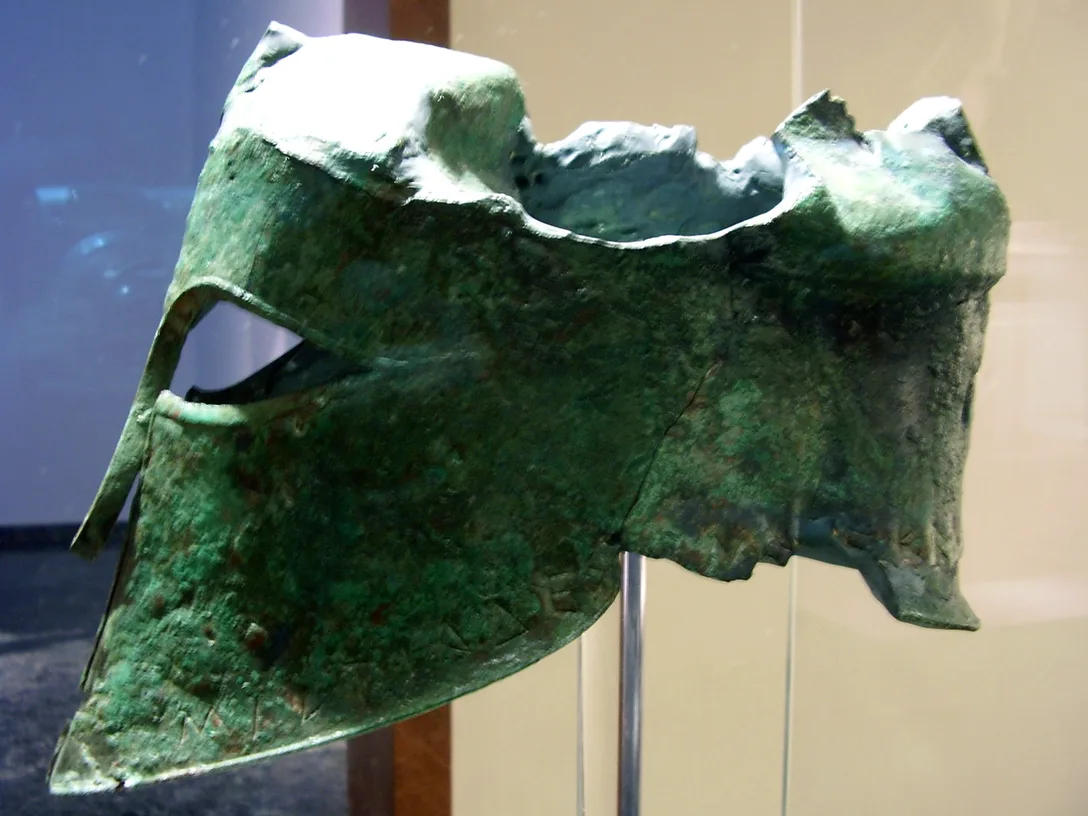
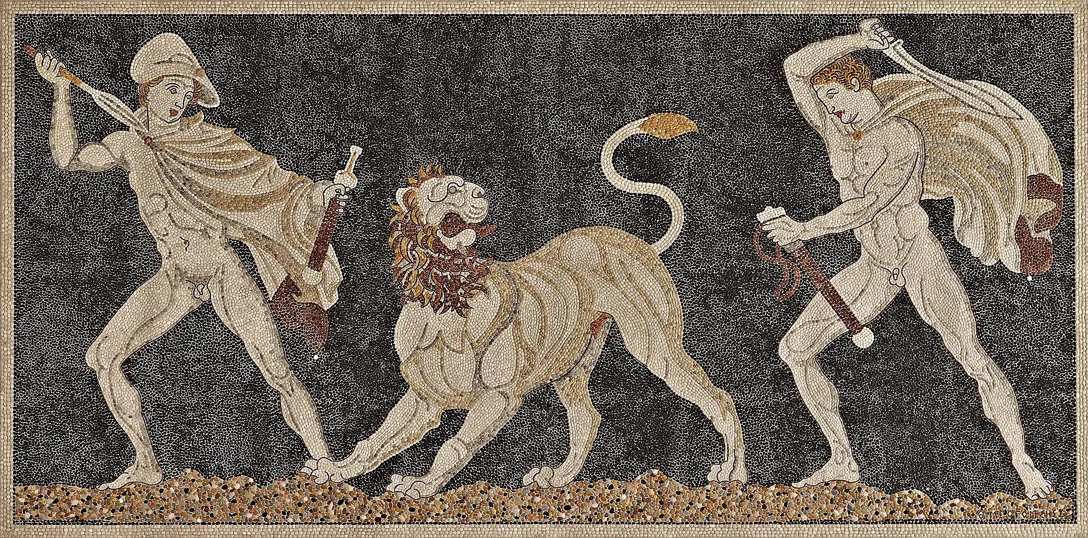
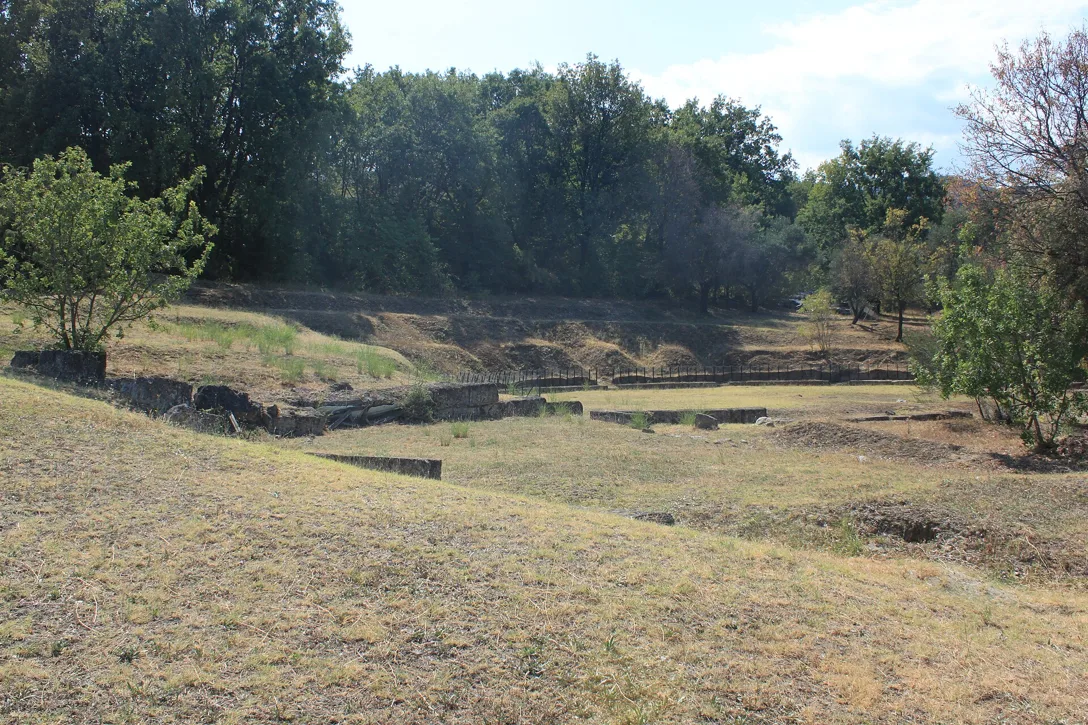




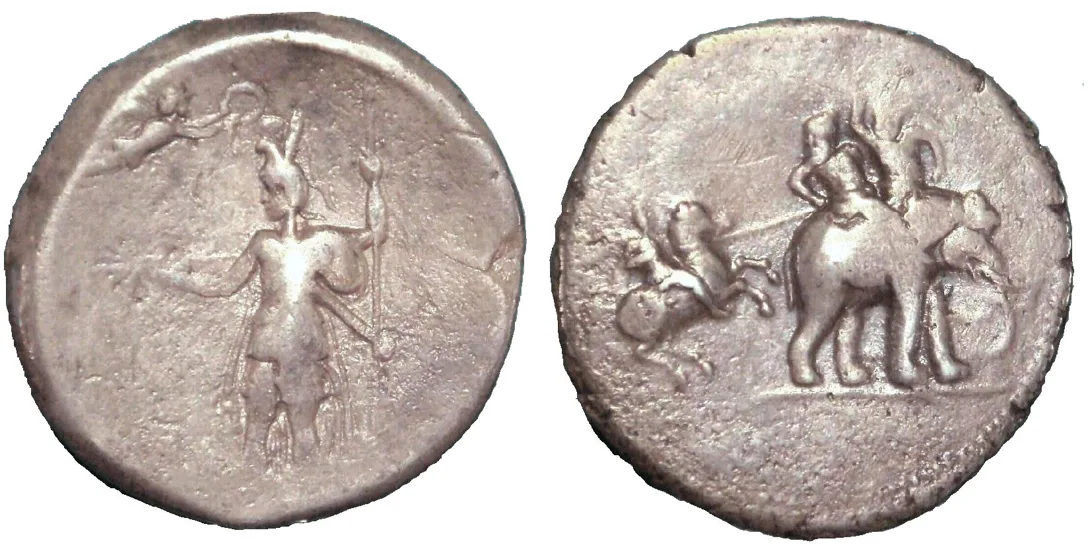
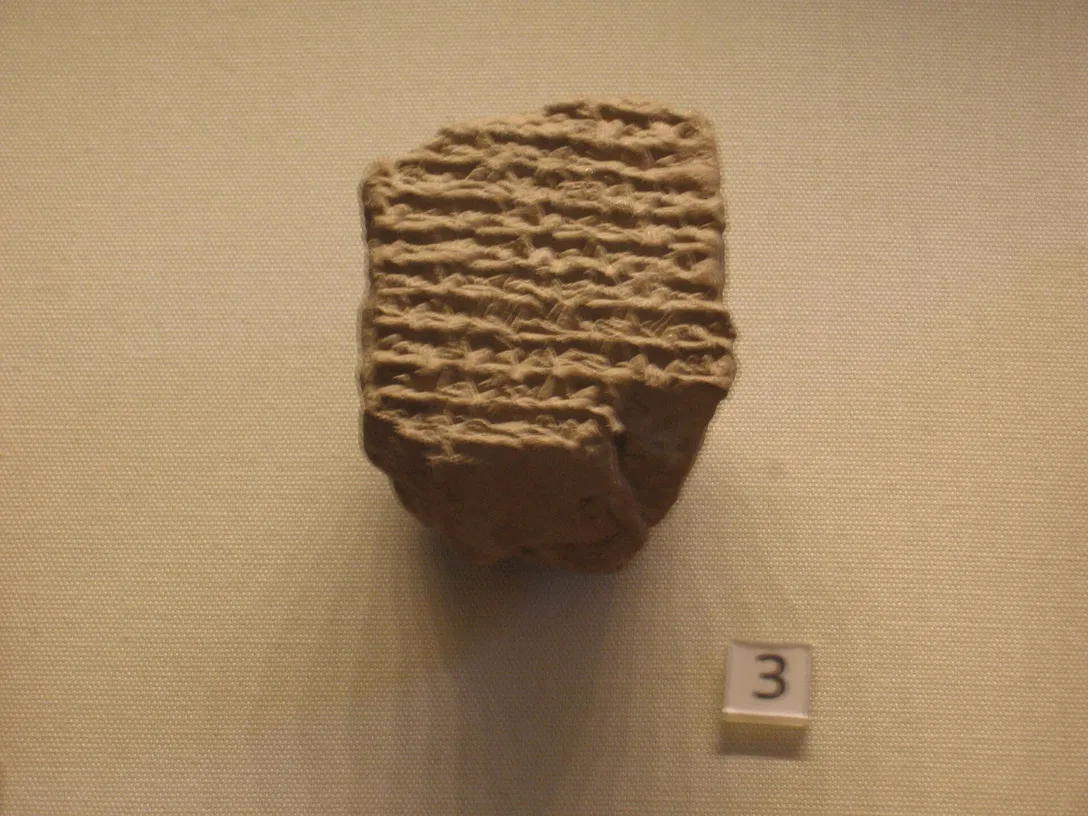
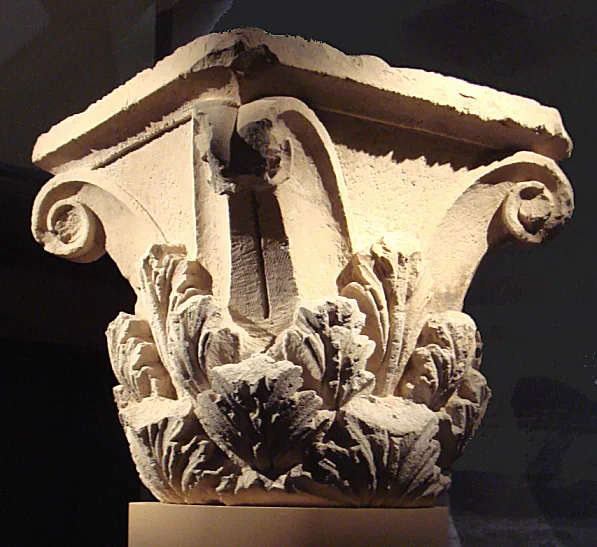
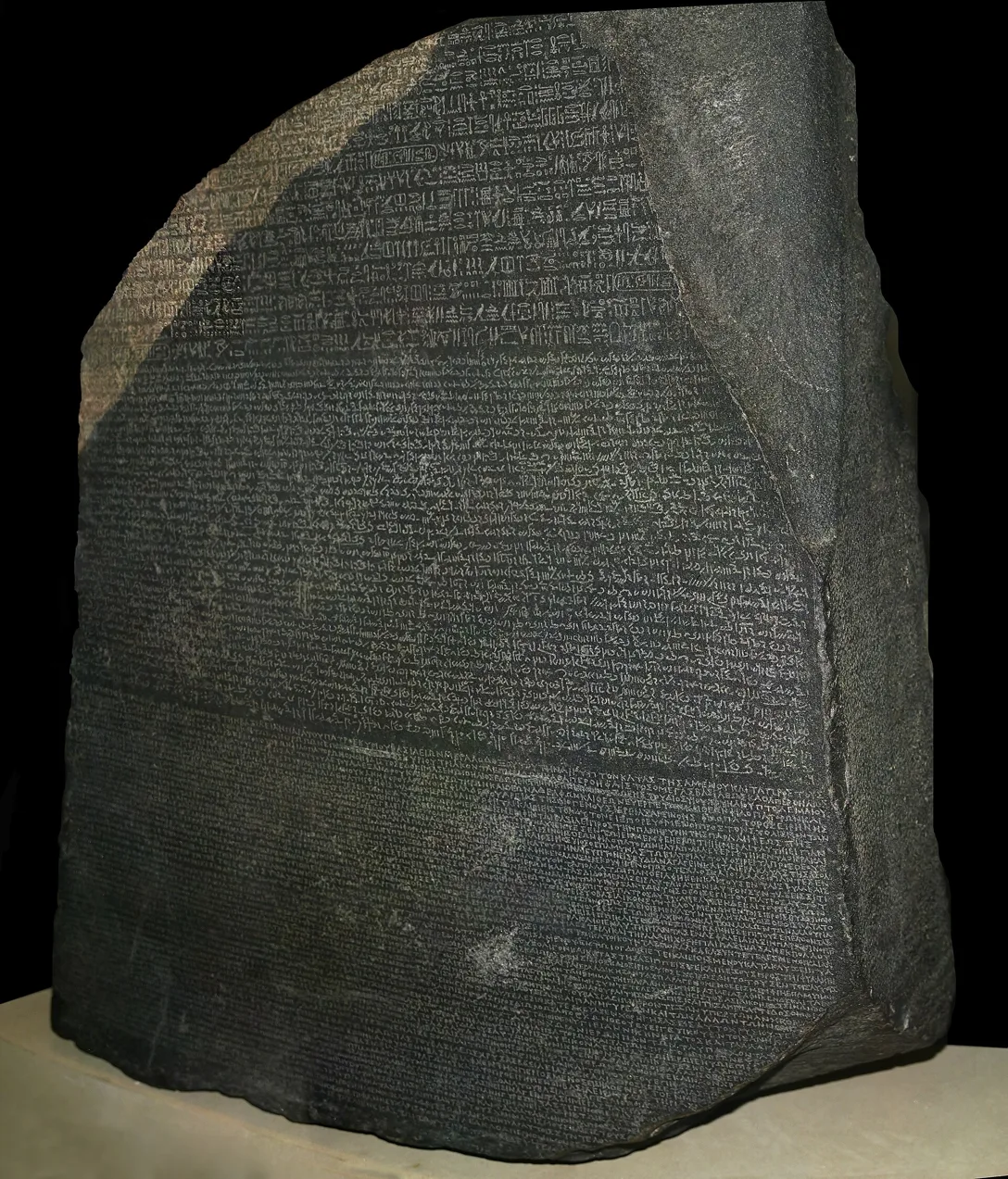
Whose sources are we reading?
For much of this story the written sources come from a few groups: Greek and Roman writers, then churchmen, then courts and governments. Persians, Carthaginians, Celts, Goths, Arabs and Ottomans saw the same events differently, and some of them left few written records of their own. Each chapter says who wrote the sources it uses, and how long after the events.
The History of Europe on video
Every chapter is also a map video, with the same facts and sources. It plays at the top of its chapter.
 Coming soonVideoCHAPTER 0The Beginning of Europe